
July is filled with outdoor concerts, fireworks displays, sporting events, festivals, and home improvement projects. While these activities are enjoyable, many expose your ears to noise levels that can damage hearing over time. Fortunately, hearing protection is one of the simplest and most effective ways to reduce your risk of noise-induced hearing loss.
However, simply wearing earplugs or earmuffs is not enough. They must fit properly and be used consistently to provide the level of protection they were designed to deliver.
Why Loud Noise Can Damage Hearing
Inside the inner ear are thousands of delicate sensory hair cells responsible for converting sound into signals that the brain interprets as hearing. Unlike many other cells in the body, these hair cells do not regenerate once they are damaged.
Repeated exposure to loud sounds can gradually injure these cells, while extremely loud noises may cause immediate damage. Even if hearing seems normal afterward, repeated exposure can contribute to permanent hearing loss over time.
Summer Activities That Can Be Louder Than You Think
Many people associate hearing damage with heavy machinery or industrial work, but recreational activities can also expose your ears to harmful sound levels. Fireworks, concerts, lawn equipment, motorcycles, power tools, and crowded sporting events often produce sounds capable of damaging hearing after surprisingly short periods of exposure.
Children are especially vulnerable because their ears are still developing, making hearing protection important for the entire family.
Choosing the Right Hearing Protection
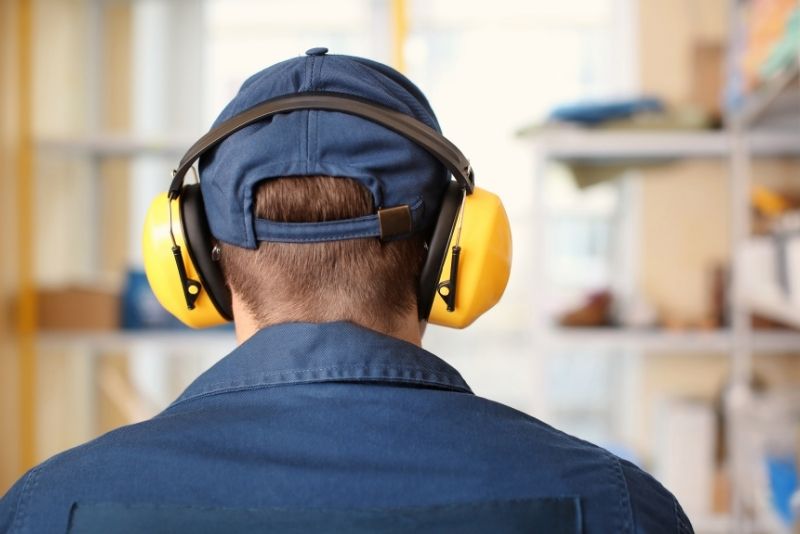
Different situations call for different types of hearing protection. Foam earplugs are inexpensive, portable, and work well for many recreational settings when inserted correctly. Reusable earplugs offer convenience for frequent users, while earmuffs provide excellent protection during yard work or construction projects.
For musicians, frequent concertgoers, or individuals regularly exposed to loud environments, custom hearing protection may provide greater comfort while preserving sound quality.
Common Mistakes People Make
Many people insert foam earplugs only partway into the ear canal, greatly reducing their effectiveness. Others remove hearing protection because it feels uncomfortable or interferes with conversation, leaving their ears exposed during the loudest portions of an event.
It’s also common for people to wait until the noise has already started before putting on hearing protection. Ideally, your ears should be protected before exposure begins and remain protected until the loud environment has ended.
Protect Your Hearing for the Future
Noise-induced hearing loss develops gradually for many people, making it easy to underestimate the effects of repeated exposure. Wearing properly fitted hearing protection whenever you anticipate loud noise is one of the most effective ways to preserve your hearing throughout your lifetime.
If you have concerns about hearing changes or would like guidance on selecting appropriate hearing protection, an evaluation with an ear specialist can help you understand your hearing health and identify strategies to protect it for years to come.
Frequently Asked Questions
Summer activities like concerts, fireworks, and lawn mowing often expose your ears to loud noises that can damage the delicate sensory hair cells in your inner ear. These cells do not regenerate once damaged, so consistent use of hearing protection helps prevent permanent hearing loss over time.
Foam earplugs are affordable and suitable for many recreational activities when used correctly. Reusable earplugs offer convenience for frequent users, while earmuffs provide strong protection during yard work or construction. Custom hearing protection is ideal for musicians or those regularly exposed to loud environments, as it offers comfort and preserves sound quality.
Common mistakes include inserting foam earplugs only partially, removing protection due to discomfort or to talk, and putting on hearing protection after noise exposure has already started. These errors reduce the effectiveness of hearing protection and increase the risk of hearing damage.
Loud noise damages the tiny sensory hair cells in the inner ear that convert sound into signals for the brain. These hair cells do not regenerate, so repeated or extremely loud noise exposure can cause permanent hearing loss, even if hearing seems normal initially.
Children's ears are still developing, making their sensory hair cells more susceptible to damage from loud noises. Protecting children's hearing during noisy activities is crucial to prevent long-term hearing loss.
Hearing protection should be worn before exposure to loud noise begins and kept on until the noisy environment ends. Waiting until noise starts or removing protection during loud events reduces its ability to prevent hearing damage.
If you notice changes in your hearing or want advice on hearing protection, consult an ear specialist. They can evaluate your hearing health and recommend strategies or devices to protect your hearing for the future.





