Our Hearing & Audiology Team in NYC
The Hearing and Balance Center at New York Otolaryngology Group brings together otologic surgery and audiology expertise to evaluate and treat hearing and balance disorders.
Led by Neil M. Sperling, MD, Medical Director of Hearing Healthcare and Technologies in the Department of Otolaryngology at Lenox Hill Hospital, the practice provides comprehensive hearing care that can include diagnostic testing, hearing aids, tinnitus management, aural rehabilitation, advanced hearing technology, and surgical hearing restoration when appropriate.
The audiology team works alongside Dr. Sperling to evaluate hearing function, identify the type and degree of hearing loss, and help patients understand their treatment options. The current team includes Marc D’Aprile, Sc.D., CCC-A; Scott Yerdon, Au.D., CCC-A; and Rachel Marcus, Au.D., CCC-A, FAAA, among other team members.
Meet Our Audiology Team

Marc D’Aprile, SC.D., CCC-A, Director of Audiology
Director of Audiology
Dr. Marc D’Aprile is the Director of Audiology at the practice. He earned his scientific doctorate in audiology from Seton Hall University in 2004 and completed audiology residencies at the Manhattan, Brooklyn, and St. Albans Veterans hospitals.
Before joining the clinical practice, Dr. D’Aprile worked with a major hearing aid manufacturer, developing additional experience with audiology and advanced hearing aid technology. He has also served as an Assistant Professor of Audiology at Columbia University.
Dr. D’Aprile is a:
- New York State-licensed audiologist
- New York State hearing aid dispenser
- Holder of the Certificate of Clinical Competence in Audiology (CCC-A)
- Fellow of the American Speech-Language-Hearing Association (ASHA)
Dr. D’Aprile’s Areas of Expertise
His clinical interests include:
- Hearing aid evaluation and fitting
- Advanced hearing aid technology
- Tinnitus management
- Custom hearing protection
- Aural rehabilitation
- Hearing-loss education
Dr. D’Aprile also develops individualized aural rehabilitation plans to help patients understand hearing loss and adapt to amplification devices.
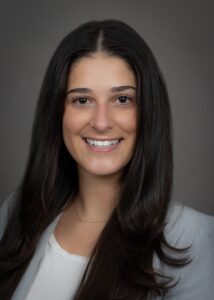

Scott Yerdon, AU.D., CCC-A
Audiologist
Dr. Scott Yerdon is a licensed audiologist and hearing aid dispenser in New York State. He earned a Bachelor of Science in Communication Sciences and Disorders from Syracuse University before completing both a Master of Science in Audiology and a Doctorate of Audiology (Au.D.) at Gallaudet University in Washington, D.C.
His clinical training included doctoral internships in an audiology practice in Northern Virginia and at The River School, a program serving children with hearing loss in the Washington, D.C. area. He completed his audiology residency at Columbia University Medical Center in 2012. Before joining New York Otolaryngology, Dr. Yerdon worked at medical centers in Brooklyn and Queens, where he provided diagnostic testing and hearing aid services for adult patients.
Dr. Yerdon’s Areas of Expertise
His clinical services include:
- Comprehensive audiological evaluations
- Hearing testing
- Hearing aid evaluation
- Hearing aid fitting and dispensing
- Hearing aid adjustments
- Aural rehabilitation

Rachel Marcus, AU.D., CCC-A, FAAA
Audiologist
Dr. Rachel Marcus is a New York State-licensed audiologist and hearing aid dispenser with experience in both hospital and private-practice audiology settings in New York City.
She earned her Doctorate of Audiology (Au.D.) from The Graduate Center, City University of New York (CUNY), in 2013 and her Bachelor of Arts degree from Colgate University in 2004. She completed her audiology residency at The Ear Center of Greensboro in North Carolina.
Dr. Marcus is:
- A New York State-licensed audiologist
- A New York State hearing aid dispenser
- A Fellow of the American Academy of Audiology (FAAA)
- A holder of the Certificate of Clinical Competence in Audiology (CCC-A) from the American Speech-Language-Hearing Association
Dr. Marcus’s Clinical Expertise
Dr. Marcus performs comprehensive audiological testing, including:
- Auditory Brainstem Response (ABR)
- Otoacoustic Emissions (OAEs)
- Comprehensive hearing evaluations
She also provides hearing device services for a range of technologies, including:
- Conventional hearing aids
- Cochlear implants
- Bone-anchored hearing devices
- BAHA
- Ponto
- SoundBite
- Other implantable hearing technologies
Her areas of clinical interest include:
- Unilateral hearing loss
- Congenital conductive hearing loss
- Microtia
- Aural atresia
- Advanced hearing aids
- Assistive listening devices
Dr. Marcus is also fluent in Spanish.

How Our Audiologists Support Hearing Care
Audiologists play an important role in the diagnosis and management of hearing disorders. Depending on the patient’s needs, audiology services may include:
Comprehensive Hearing Evaluations
Audiological testing can determine whether hearing loss is present and help identify its type, degree, and configuration.
Testing may be used to evaluate:
- Hearing sensitivity
- Speech understanding
- Differences between the ears
- Conductive hearing loss
- Sensorineural hearing loss
- Mixed hearing loss
Hearing Aid Evaluation and Fitting
When hearing aids are appropriate, an audiologist can help select, fit, program, and adjust the device based on the patient’s hearing profile and communication needs.
Aural Rehabilitation
Aural rehabilitation helps patients understand their hearing loss and learn strategies for communicating more effectively with hearing devices and in different listening environments.
Tinnitus Management
Tinnitus can involve hearing sounds such as ringing, buzzing, humming, or other noises without an external sound source.
Dr. D’Aprile’s areas of expertise specifically include tinnitus management.
Custom Hearing Protection
Patients who are regularly exposed to loud environments may benefit from professionally fitted hearing protection. Custom hearing protection is one of Dr. D’Aprile’s stated clinical areas of interest.
Advanced Hearing Technology
The audiology team works with a range of hearing technologies based on the patient’s type of hearing loss and individual needs. Depending on the patient’s diagnosis and candidacy, these may include:
- Advanced hearing aids
- Cochlear implants
- Bone-anchored hearing devices
- Assistive listening devices
- Implantable hearing technologies
- Earlens and other specialized hearing solutions
The appropriate technology depends on factors such as the type and severity of hearing loss, speech understanding, anatomy, previous treatment, and the patient’s communication needs.
Audiology and Ear Surgery: A Collaborative Approach
Some hearing problems can be managed with hearing technology or rehabilitation. Others may be caused by a structural problem involving the ear that could require medical or surgical treatment.
Examples include:
- Otosclerosis
- Conductive hearing loss
- Perforated eardrum
- Ossicular chain abnormalities
- Cholesteatoma
- Severe or profound sensorineural hearing loss
When surgery or an implantable hearing device is being considered, audiological testing can provide important information about hearing function and help inform treatment planning. Dr. Sperling’s clinical focus includes hearing restoration surgery and procedures such as stapedectomy, tympanoplasty, ossicular chain reconstruction, cochlear implantation, and bone-anchored hearing aid implantation.
What Does an Audiologist Do?
An audiologist is a hearing healthcare professional who evaluates hearing and balance function and provides services related to hearing loss and hearing technology. Audiologists may provide:
- Hearing evaluations
- Diagnostic audiological testing
- Hearing aid evaluation and fitting
- Hearing aid programming and adjustments
- Aural rehabilitation
- Tinnitus management
- Hearing conservation and protection
- Assistive listening technology
- Evaluation related to cochlear implants and other hearing devices
An audiologist is different from an otolaryngologist or otologist. An otolaryngologist (ENT) is a physician who diagnoses and treats disorders of the ear, nose, and throat. An otologist focuses more specifically on disorders of the ear and hearing, including conditions that may require specialized ear surgery.
When Should You See an Audiologist?
Consider scheduling a hearing evaluation if you:
- Have difficulty understanding conversations
- Frequently ask people to repeat themselves
- Have trouble hearing in restaurants or noisy environments
- Turn up the television or phone volume
- Notice hearing loss in one or both ears
- Experience tinnitus
- Have difficulty hearing after an ear infection
- Are considering hearing aids
- Need hearing aid adjustments
- Have concerns about hearing protection
- Have been diagnosed with a hearing disorder
- Are being evaluated for an implantable hearing device
Sudden hearing loss is different. A sudden decrease in hearing—particularly in one ear—requires prompt medical evaluation rather than simply scheduling a routine hearing-aid appointment.
Why Audiology Expertise Matters
Hearing loss is not one condition. It can result from problems involving the outer ear, middle ear, inner ear, auditory nerve, or central auditory pathways. An accurate hearing evaluation can help determine:
- Whether hearing loss is present
- Which ear or ears are affected
- The degree of hearing loss
- Whether the loss is conductive, sensorineural, or mixed
- How well speech is understood
- Whether hearing technology may help
- Whether further medical evaluation is appropriate
This information can help the audiology and medical teams determine what treatment options should be considered.
Frequently Asked Questions
The Hearing and Audiology Team is led by Neil M. Sperling, MD, who is the Medical Director of Hearing Healthcare and Technologies in the Department of Otolaryngology at Lenox Hill Hospital. He oversees comprehensive hearing care including diagnostic testing, hearing aids, tinnitus management, and surgical hearing restoration.
The audiology team provides comprehensive hearing evaluations that include audiological testing to determine the presence, type, degree, and configuration of hearing loss. Tests assess hearing sensitivity, speech understanding, and differentiate between conductive, sensorineural, and mixed hearing loss.
The center offers a range of hearing technologies tailored to the patient's needs, including advanced hearing aids, cochlear implants, bone-anchored hearing devices, assistive listening devices, and implantable hearing technologies such as Earlens. The choice depends on hearing loss type, severity, and individual communication needs.
Aural rehabilitation is a service that helps patients understand their hearing loss and develop strategies to communicate more effectively. It includes education on hearing loss, training on the use of hearing devices, and techniques to improve listening in various environments.
Dr. Marc D’Aprile, Director of Audiology, has expertise in hearing aid evaluation and fitting, advanced hearing aid technology, tinnitus management, custom hearing protection, and aural rehabilitation. He holds a scientific doctorate in audiology and has experience in both clinical practice and hearing aid development.
Tinnitus management is part of the clinical services offered, particularly by Dr. D’Aprile. The team evaluates the condition, which involves hearing sounds like ringing or buzzing without external sources, and provides management strategies to help reduce the impact on patients' quality of life.
The audiologists are licensed in New York State and hold certifications such as the Certificate of Clinical Competence in Audiology (CCC-A). Some are Fellows of professional organizations like the American Speech-Language-Hearing Association (ASHA) and the American Academy of Audiology (FAAA).
Surgical hearing restoration is considered for patients with structural ear problems such as otosclerosis, conductive hearing loss, perforated eardrum, ossicular chain abnormalities, cholesteatoma, or severe sensorineural hearing loss. Audiological testing helps determine candidacy and treatment planning.
Audiologists evaluate hearing function, help select appropriate hearing aids, fit and program the devices, and provide ongoing adjustments to optimize hearing performance based on the patient's hearing profile and communication needs.
Yes, Dr. Rachel Marcus is fluent in Spanish, providing audiology services to Spanish-speaking patients, which helps improve communication and care for a diverse patient population.


