
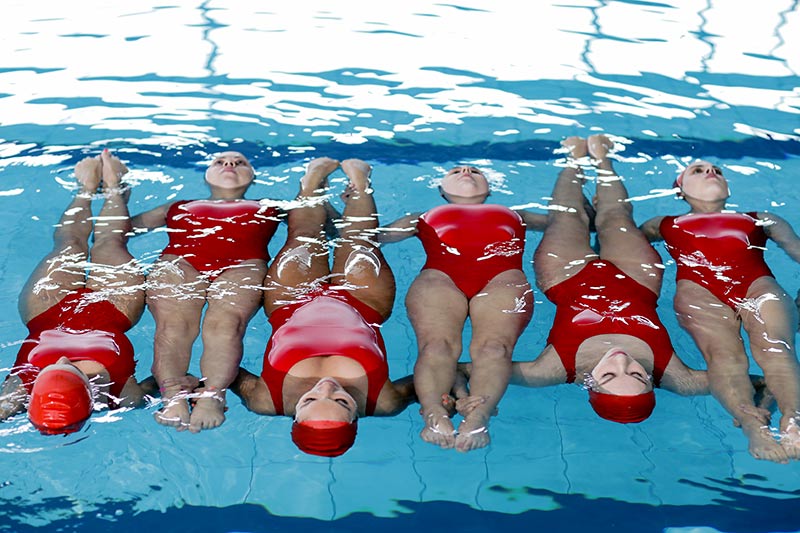
Swimmer’s ear, also called otitis externa by doctors, is a common infection of the outer portion of the ear canal. While simmer’s ear is mainly associated with activities involving pools, the truth is that any contaminated water that enters the ear canal can lead to infections of this type. Even though swimmer’s ear can affect all age groups, it is most commonly reported in children. The most widely reported symptoms of swimmer’s ear include:
• Irritation inside the ear canal.
• Touching or tugging the ear is painful.
• Swelling and redness on and around the ear.
• Fluid drainage from the ears.
• Extreme pain and throbbing coming from the ears.
What are the Known Causes of Otitis Externa?
Swimmer’s ear occurs when water is allowed to stay in the ear canal for too long. This event can be much worse with exposure to contaminated water. The ear canals provide the ideal environment for germs, bacteria, and microbes to live, grow, and cause infection. Depending on how clean or dirty the water is, makes a big difference to how fast an infection can take hold.
Other Issues Often Mistaken for Otitis Externa
• While germs and bacteria are at the root cause of swimmer’s ear, it’s not a condition that can be spread from person to person.
• Middle and inner ear infections occur much deeper inside the canal. The difference results in the lack of pain from touch or physical contact. If you can move your ear around without pain, you probably don’t have swimmer’s ear.
• Chemical sensitivities can sometimes irritate the ear canal after exposure; feelings of irritation and pain in and around the ears develop temporarily.
What You Can Do to Avoid Developing Swimmer’s Ear
#1. Make sure to dry your ears thoroughly after bathing, swimming, or showering.
#2. Lean your head to the side and tug on your ears to help drain any excess water.
#3. Use ear plugs, a swim cap, or ear molds to prevent excess water from getting in.
#4. Never swim or bathe in water that you suspect might be contaminated or dirty. Always ask about the water quality and the last time it was checked.
If you suspect that you have swimmer’s ear or are experiencing extreme pain or problems with your ears, don’t hesitate to contact your doctor or a health care provider at once.
Frequently Asked Questions
Swimmer's ear, also known as otitis externa, is an infection of the outer ear canal caused by bacteria or germs that thrive in moist environments. It commonly results from water trapped in the ear canal, often after swimming or exposure to contaminated water. Symptoms include irritation, pain, swelling, redness, and sometimes fluid drainage.
Swimmer's ear is caused by water, especially contaminated water, remaining in the ear canal for too long. This creates a moist environment ideal for bacteria and germs to grow and cause infection. The cleanliness of the water greatly affects how quickly the infection may develop.
Unlike middle or inner ear infections, swimmer's ear affects the outer ear canal and is painful when touching or tugging the ear. Middle or inner ear infections typically do not cause pain from movement or touch. Chemical irritation may cause temporary discomfort but is not an infection.
No, swimmer's ear is not contagious. It is caused by bacteria or germs entering the ear canal from water exposure, not through direct contact with other people.
Common symptoms include irritation inside the ear canal, pain when touching or tugging the ear, swelling and redness around the ear, fluid drainage, and extreme throbbing pain coming from the ear.
To avoid swimmer's ear, dry your ears thoroughly after swimming or bathing by tilting your head and gently tugging your ears to drain water. Use ear plugs, swim caps, or ear molds when swimming, and avoid swimming in contaminated or unclean water. Always check the water quality before swimming.
If you experience extreme ear pain, swelling, or drainage, or suspect you have swimmer's ear, it is important to contact a doctor or healthcare provider promptly for proper diagnosis and treatment to prevent complications.