
Hearing loss can affect one or both ears and may develop gradually or occur suddenly. At the practice of Dr. Neil Sperling in New York City, hearing loss is evaluated based on its underlying cause, type, severity, and impact on everyday communication. Treatment may include hearing aids, hearing technology, medical treatment, or surgery when appropriate.
Schedule an Appointment
Call 212-889-8575
Hearing Loss at a Glance
Common Symptoms
Difficulty understanding speech, asking others to repeat themselves, turning up the TV, or struggling to hear in background noise.
Common Causes
Aging, noise exposure, infections, ear conditions, injury, medications and other medical conditions.
Types
Conductive, sensorineural and mixed hearing loss.
Diagnosis
An ENT evaluation and hearing testing can determine the type, severity and possible cause.
Treatment
Treatment depends on the diagnosis and may include medical treatment, hearing aids, hearing technology or surgery.
Hearing Loss Treatment Options
What are the Health Consequences of Hearing Loss?
Watch this video by Dr. Sperling to learn about how hearing loss affects your health.
What Is Hearing Loss?
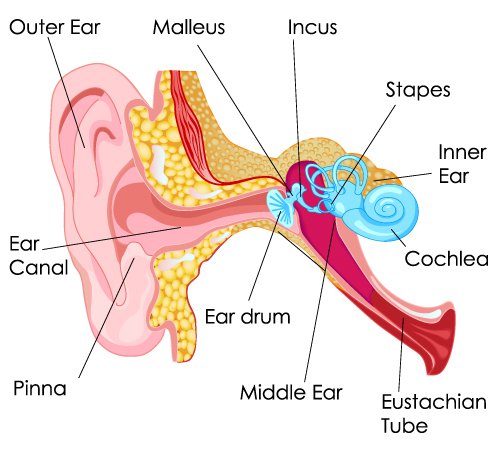
Hearing loss is a partial or complete reduction in the ability to hear sounds in one or both ears. It can result from problems affecting the outer ear, middle ear, inner ear, auditory nerve, or the way the brain processes sound.
What Are the Symptoms of Hearing Loss?
- Difficulty hearing conversations
- Frequently asking people to repeat themselves
- Turning the television volume up
- Difficulty hearing on the phone
- Trouble understanding speech in restaurants or noisy environments
- Feeling that people are mumbling
- Difficulty hearing certain voices
- Hearing better in one ear than the other
- Ringing or buzzing accompanying hearing difficulty
What Causes Hearing Loss?
- Age-Related Hearing Loss
- Noise-Induced Hearing Loss
- Ear Infections
- Earwax Buildup
- Head or Ear Injuries
- Otosclerosis
- Certain Medications
- Other Medical Conditions
What Are the Different Types of Hearing Loss?
Conductive Hearing Loss
Conductive hearing loss occurs when a problem in the outer or middle ear prevents sound from traveling efficiently to the inner ear. Causes may include earwax buildup, ear infections, fluid, or problems with the eardrum or middle-ear bones.
Sensorineural Hearing Loss
Sensorineural hearing loss occurs when there is damage to the inner ear or auditory nerve. It is commonly associated with aging, prolonged noise exposure, certain medications, or other conditions affecting the hearing system.
Mixed Hearing Loss
Mixed hearing loss is a combination of conductive and sensorineural hearing loss. This means there are problems affecting both the outer or middle ear and the inner ear or auditory nerve.
How Is Hearing Loss Treatment Determined?
Hearing Changes
↓
ENT Evaluation
↓
Hearing Testing
↓
Determine Type & Cause
↓
Assess Severity
↓
Personalized Treatment Plan
There is no single treatment for hearing loss. The appropriate approach depends on the type, cause, severity, whether one or both ears are affected, and how hearing loss affects communication.
How Is Hearing Loss Diagnosed?
- Medical History
- Ear Examination
- Hearing Test
- Determine the Type and Severity
- Identify the Underlying Cause
- Develop a Treatment Plan
What Happens During a Hearing Evaluation?
A hearing evaluation typically includes a review of your medical and hearing history, an examination of the ears, and hearing tests to assess your ability to hear different sounds and speech. These tests help determine the type and severity of hearing loss and identify possible causes. Based on the results, your hearing specialist can recommend an appropriate treatment plan.
How is Hearing Loss treated?
Treatment depends on the type and cause of hearing loss and may include medical treatment, hearing aids, assistive listening devices, implantable hearing technology, or surgery when appropriate.
What Happens If Hearing Loss Is Left Untreated?
- Communication difficulties
- Social isolation
- Difficulty at work
- Reduced quality of life
- Increased listening effort
- Potential associations with cognitive health
How Can You Protect Your Hearing?
-
Protect Your Ears From Loud Noise
-
Keep Headphone and Device Volume at Safe Levels
-
Use Hearing Protection
-
Limit Prolonged Noise Exposure
-
Have Persistent Hearing Changes Evaluated
Why Choose Dr. Neil Sperling for Hearing Loss Treatment?
Dr. Neil Sperling is a board-certified otolaryngologist and fellowship-trained otologic surgeon specializing in hearing disorders and hearing restoration. He has focused on hearing disorders and hearing restoration since 1991 and serves as Medical Director of Hearing Healthcare and Technologies in the Department of Otolaryngology at Lenox Hill Hospital.
Specialized Hearing Expertise
Dr. Sperling’s clinical expertise includes hearing loss evaluation and treatment, hearing restoration surgery, implantable hearing devices, and advanced hearing technologies. His surgical experience includes procedures such as stapedectomy and stapedotomy, tympanoplasty, cochlear implantation, and ossicular chain reconstruction.
Education and Training
Dr. Sperling earned his medical degree with honors from New York Medical College, completed his residency in Otolaryngology and Head and Neck Surgery at the New York Eye and Ear Infirmary, and completed a fellowship in Otologic Surgery at the University of Minnesota Ear Clinic.
Professional Affiliations and Teaching
His hospital affiliations include Northwell Health, Lenox Hill Hospital, Manhattan Eye Ear and Throat Hospital, and Lenox Health Greenwich Village. He has also held teaching positions at SUNY-Downstate and Weill Cornell and has served as an international lecturer and faculty member in otology.
Medical Publications and Research
Dr. Sperling is an author and editor of medical publications and textbooks related to ear disorders and hearing restoration. His professional activities also include teaching, research, and presentations on advanced hearing treatments and surgical techniques.
Frequently Asked Questions
Common symptoms of hearing loss include difficulty understanding speech, frequently asking others to repeat themselves, turning up the volume on the TV, struggling to hear in noisy environments, and sometimes experiencing ringing or buzzing sounds. These symptoms can affect communication and daily activities.
Hearing loss can be caused by aging, prolonged noise exposure, ear infections, earwax buildup, injuries, otosclerosis, certain medications, and other medical conditions. The underlying cause affects the type and treatment of hearing loss.
There are three main types of hearing loss: conductive, sensorineural, and mixed. Conductive hearing loss involves problems in the outer or middle ear, sensorineural hearing loss results from damage to the inner ear or auditory nerve, and mixed hearing loss is a combination of both.
Diagnosis involves a thorough medical history, ear examination, and hearing tests to determine the type, severity, and possible cause of hearing loss. This evaluation helps develop a personalized treatment plan.
Treatment depends on the type and cause of hearing loss and may include hearing aids, assistive listening devices, medical treatments for infections or fluid buildup, surgical procedures, and cochlear implants for severe cases.
Surgical options include stapedectomy or stapedotomy for otosclerosis, tympanoplasty to repair eardrum damage, ossicular chain reconstruction to fix middle ear bones, and cochlear implants for severe hearing loss. Surgery is recommended based on specific structural problems.
Untreated hearing loss can lead to communication difficulties, social isolation, reduced quality of life, increased listening effort, challenges at work, and potential negative effects on cognitive health.
Protect your hearing by avoiding loud noises, keeping headphone volume at safe levels, using hearing protection devices, limiting prolonged noise exposure, and seeking evaluation for any persistent hearing changes.
A hearing evaluation includes reviewing your medical and hearing history, examining your ears, and conducting hearing tests to assess your ability to hear various sounds and speech. This helps identify the type and severity of hearing loss and guides treatment recommendations.
Dr. Neil Sperling is a board-certified otolaryngologist and fellowship-trained otologic surgeon with extensive experience in hearing loss evaluation, treatment, and restoration. He specializes in advanced hearing technologies and surgical procedures and serves as Medical Director of Hearing Healthcare at Lenox Hill Hospital.





