What is Conductive Hearing Loss?
Find Treatment in NYC
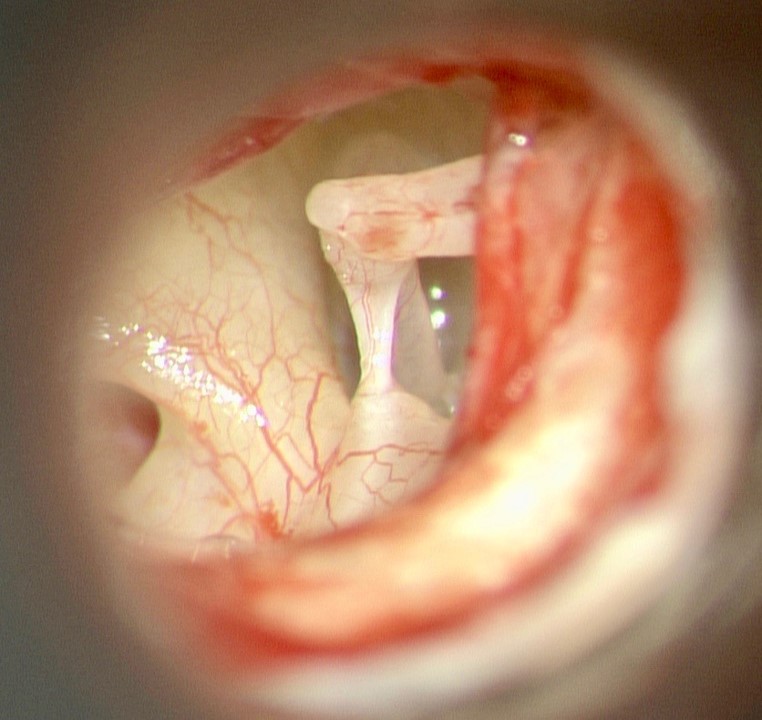
Conductive hearing loss occurs when the ear’s moving parts, such as the eardrum and ossicles, are damaged or impaired. Unlike sensory/neural hearing loss, which involves nerve damage, conductive hearing loss is often treatable. Dr. Sperling and his team will assess your condition and discuss treatment options, including surgery, during your initial appointment.
How is it Treated?
Treatment depends on the cause of your hearing loss and may include surgical repair. After identifying the cause, we will provide a customized treatment plan and review your options with you.
How Does it Occur?
Conductive hearing loss happens when sound is not effectively conducted through the outer ear canal to the eardrum and ossicles, leading to reduced sound levels or difficulty hearing faint sounds.
What are the Symptoms?
Symptoms of conductive hearing loss can vary and may include difficulty hearing speech, ear infections, ear drum perforation, wax buildup, tumors, or otosclerosis.
Can it be Corrected?
Often, conductive hearing loss can be corrected without a hearing aid. During your initial appointment, Dr. Sperling and his team will evaluate your condition and discuss treatment options.
Causes of Conductive Hearing Loss
- Abnormalities in the outer ear, ear canal, or middle ear structures
- Otosclerosis
- Fluid buildup in the middle ear from colds
- Ear infections (otitis media), causing fluid accumulation that affects the eardrum and ossicles
- Dysfunction of the Eustachian tube
- Perforated eardrum
- Benign tumors
- Impacted earwax
- Infection in the ear canal
- Foreign objects in the ear
What are the Health Consequences of Hearing Loss?
Watch this video by Dr. Sperling to learn about how hearing loss affects your health.
Frequently Asked Questions
Conductive hearing loss occurs when there is damage or impairment to the ear's moving parts, such as the eardrum and ossicles, which prevents sound from being effectively conducted through the outer and middle ear. This type of hearing loss differs from sensory/neural hearing loss as it is often treatable.
Conductive hearing loss can be caused by abnormalities in the outer ear, ear canal, or middle ear structures. Common causes include otosclerosis, fluid buildup from colds or infections, ear drum perforation, earwax blockage, benign tumors, infections in the ear canal, foreign objects, and dysfunction of the Eustachian tube.
Symptoms may vary but often include difficulty hearing speech, frequent ear infections, a perforated eardrum, wax buildup, the presence of benign tumors, and a general reduction in hearing faint sounds or overall sound levels.
Treatment depends on the specific cause of the hearing loss and may involve surgical repair or other medical interventions. After a thorough evaluation, Dr. Sperling and his team develop a customized treatment plan and review all available options with the patient.
Yes, conductive hearing loss is often correctable without the use of hearing aids. Many cases can be treated surgically or with medical management, depending on the underlying issue. An evaluation by Dr. Sperling will help determine the best course of action.
Hearing loss, including conductive hearing loss, can impact overall health by affecting communication, social interactions, and quality of life. Dr. Sperling provides educational resources detailing these health consequences to help patients understand the importance of treatment.