
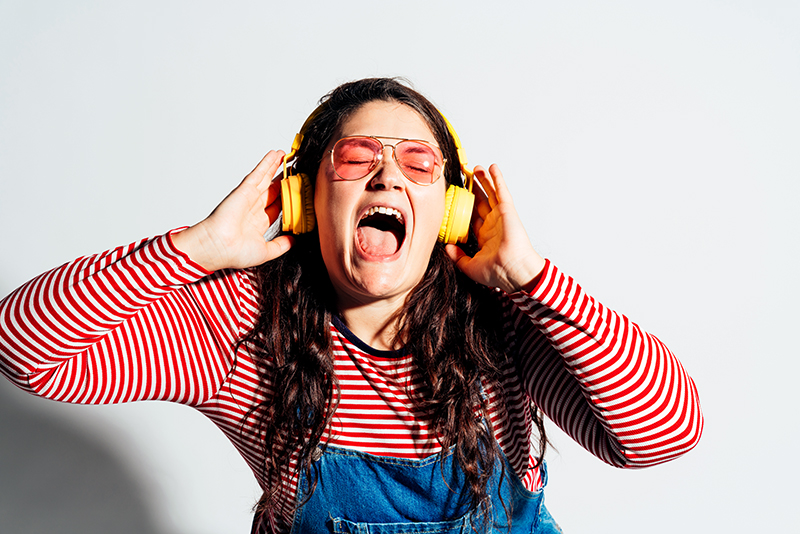
It is essential to remember that various everyday sounds can significantly impact one’s hearing. It is vital to be aware of commonplace sounds that exceed safe noise levels and to understand how to mitigate the risk of hearing loss. Noise-induced hearing loss (NIHL) occurs when the delicate structures of the inner ear sustain damage from exposure to loud sounds. Sounds exceeding 85 decibels can contribute to NIHL, and it is worth noting that some sources of damaging noise may be unexpected. Knowing the common causes of hearing loss can help you take preventive actions to reduce the risk of noise-induced hearing loss.
The Common Causes of Hearing Loss
Movie night
Viewing the latest blockbuster film may result in heightened noise exposure, with sound levels in a movie theater ranging from 74 to 104 decibels.
Riding a motorcycle or in a convertible
Traffic and wind produce sound levels typically between 80 and 100 decibels, which can damage one’s hearing.
Maxing out your headphones
Individuals may be exposed to unsafe sound levels from their headphones or personal audio devices. When at full volume, these devices can deliver sounds at levels ranging from 94 to 110 decibels.
Catching a game at the stadium
The sound levels at sporting events can range from 94 to 110 decibels.
Strategies for Mitigating Hearing Loss Risk
Notably, noise-induced hearing loss is the sole preventable form of hearing impairment. Two pivotal factors contributing to NIHL encompass the duration of exposure to loud sound and the proximity to its source. It is advisable to maintain a distance from sources of loud noise whenever feasible. In instances where avoidance is impossible, earplugs or other hearing protective devices are recommended.
Even in cases where damage has already transpired, viable options remain available. Pre-emptive treatment for noise-induced hearing loss can forestall permanent impairment. Moreover, if permanent damage has ensued, prospects exist for restoring certain cells and neurons within the auditory system. Furthermore, recent strides in digital technology have enabled the customization and programming of hearing aids to cater to the majority’s needs effectively.
Frequently Asked Questions
Common everyday activities such as watching movies in a theater, riding motorcycles or convertibles, using headphones at high volumes, and attending loud sporting events can expose individuals to sounds ranging from 74 to 110 decibels, which can contribute to noise-induced hearing loss.
Sounds exceeding 85 decibels are considered unsafe and can cause damage to the delicate structures of the inner ear, leading to noise-induced hearing loss if exposure is prolonged or frequent.
To reduce the risk of noise-induced hearing loss, it is important to limit the duration of exposure to loud sounds, maintain a safe distance from noise sources, and use hearing protection devices such as earplugs when avoidance is not possible.
Yes, noise-induced hearing loss is the only preventable form of hearing impairment. Avoiding loud sounds or protecting ears with devices like earplugs can effectively prevent damage to hearing.
While permanent damage from noise-induced hearing loss can occur, early treatment can prevent further impairment. Advances in digital technology have also made it possible to restore some auditory function and customize hearing aids to help improve hearing.
The length of time spent exposed to loud sounds significantly impacts the risk of noise-induced hearing loss; longer exposure increases the chance of damage to the inner ear’s delicate structures.
Maintaining distance from loud noise sources reduces the intensity of sound reaching the ear, which lowers the risk of damaging the inner ear and developing noise-induced hearing loss.





