
Having the ability to hear is a gift that many do not fully appreciate until it is gone or diminished. Unfortunately, one of the most common causes of hearing loss in the United States is noise-induced hearing loss (NIHL). Even though noise-induced hearing loss is preventable in most cases, NIHL is a widespread problem. According to the National Institute on Deafness and Other Communication Disorders (NIDCD), an estimated 30 to 50 million Americans are exposed to dangerous noise levels daily. While noise-induced hearing loss can occur in an instant, in most cases, damage happens gradually over time. Regrettably, many don’t realize or want to admit there is a problem until the damage is severe. However, knowing some helpful hearing loss prevention tips can help minimize your chances of hearing damage.
Although noise-induced hearing loss is on the rise, there are still ways to protect yourself. In light of National Hearing Protection Month, check out these simple hearing loss prevention tips that could possibly help you preserve your hearing.
• Anything that is louder than 85 decibels is considered to be too loud and can potentially damage your hearing. Unfortunately, many of our ordinary everyday items have the potential to do damage if exposed for an extended period of time. Certain vacuum cleaners, power tools, and even lawnmowers can go over 85 decibels. Learn more about the levels of noise here.
• If you are listening to music through an MP3 player, make sure you keep the volume level set to an acceptable level that will not damage your ears. Typically, you can set the volume limit to a safe level in the settings. Otherwise, make sure you give your ears frequent breaks from the music, especially if it is loud.
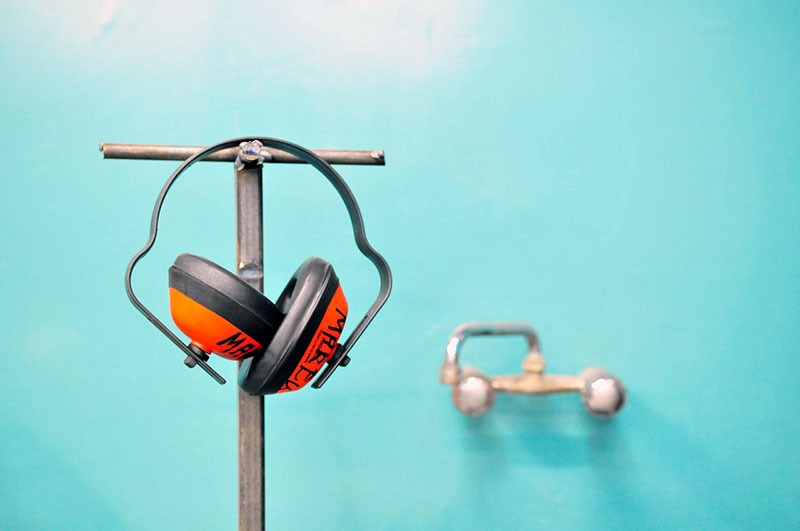
• Anytime you are going to be exposed to loud noise for an extended period, bring and wear hearing protection. You don’t want to be unprepared at a rock concert or a fireworks show. Otherwise, you may damage your ears. Earplugs and earmuffs are readily available and come in many different price points.
• On top of wearing protection anytime you are exposed to loud, prolonged noises, make sure you are giving your ears a break as well. This includes being a spectator at a rock concert or sporting event. You must give your ears a break periodically by sitting somewhere quiet. This way your ears have a chance to recover after exposure.
• Make sure you get help if you notice any changes in your ability to hear. Don’t ignore the problem and let it snowball. Early detection is best and gives you the best chances for a chance to still lead a normal life. There are ways to manage hearing loss, but you need to see a hearing professional to do so. So be sure to schedule yearly hearing assessments with an audiologist.
Frequently Asked Questions
Noise-induced hearing loss (NIHL) is hearing impairment caused by exposure to loud sounds. It is one of the most common causes of hearing loss in the U.S., affecting an estimated 30 to 50 million Americans daily due to exposure to dangerous noise levels. NIHL often develops gradually over time but can occur instantly in some cases.
Noise levels above 85 decibels are considered loud enough to potentially damage hearing if one is exposed for extended periods. Many everyday items like vacuum cleaners, power tools, and lawnmowers can produce noise above this threshold, putting users at risk of hearing damage over time.
When listening to music through MP3 players, keep the volume at a safe level by using built-in volume limits or settings. Additionally, take frequent breaks from listening, especially at high volumes, to reduce the risk of hearing damage and give your ears time to recover.
Wearing earplugs or earmuffs is recommended whenever you expect to be exposed to loud noise for extended periods, such as at rock concerts or fireworks shows. These protective devices are widely available at various price points and help prevent noise-induced hearing damage.
Even when wearing hearing protection, it's essential to give your ears periodic breaks by moving to quiet areas. This allows your ears to recover from noise exposure and reduces the cumulative risk of hearing damage, especially during events like concerts or sports games.
If you notice any changes in your hearing ability, it's important to seek help promptly. Early detection through yearly hearing assessments with an audiologist increases the chances of managing hearing loss effectively and maintaining a normal quality of life.





