
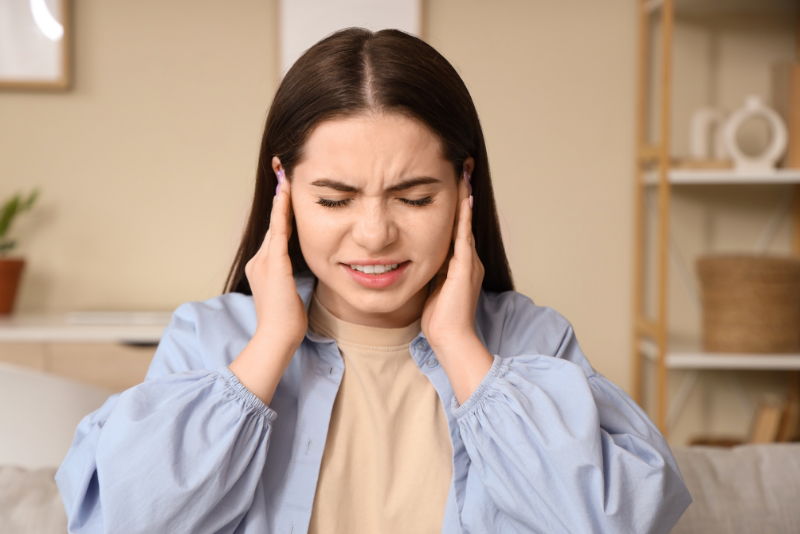
A summer concert, festival, sporting event, or other live performance can be an unforgettable experience. But after spending hours around loud music, you may notice that your hearing seems different when you leave. Voices may sound muffled, music may seem unusually quiet, or your ears may feel as though they are temporarily “blocked.”
These changes can occur after exposure to loud sound, particularly when you are close to speakers or remain in a noisy environment for an extended period. Although hearing may return to normal after a period of rest, repeated exposure to loud noise can increase the risk of permanent hearing damage. Knowing the difference between a temporary change and a symptom that deserves medical attention is an important part of protecting your hearing.
Why Does Hearing Change After Loud Music?
The inner ear contains specialized sensory cells that help convert sound vibrations into electrical signals that travel to the brain. These structures allow us to understand speech, appreciate music, and recognize sounds in our environment.
Very loud sounds place significant stress on these delicate structures. After a particularly loud event, the auditory system may temporarily become less sensitive. As a result, sounds can seem muffled or distorted immediately after the exposure.
For some people, hearing gradually returns to its previous level after the ears have had time to recover. However, repeated or excessive exposure to loud sound can cause lasting injury to the sensory structures responsible for hearing.
How Long Can Temporary Hearing Changes Last?
The length of time hearing remains muffled after a loud event can vary depending on the intensity and duration of the exposure. Someone who spends several hours close to powerful speakers may experience more noticeable changes than someone who attends a quieter event from farther away.
If your hearing seems temporarily different after a concert, giving your ears a period of quiet can be helpful. Avoiding additional loud environments immediately afterward gives your auditory system an opportunity to recover.
However, there is no guaranteed amount of time that means hearing will return to normal. If muffled hearing persists, is getting worse, or is significantly different from your usual hearing, an evaluation is appropriate.
When Loud Noise Can Cause Permanent Hearing Loss
Noise-induced hearing loss can occur after a single extremely loud exposure or after repeated exposure to loud sounds over time. The risk depends on factors including the loudness of the sound, how long you are exposed, and how frequently exposure occurs.
Concerts are one example, but loud recreational activities can include sporting events, fireworks, motorcycles, power tools, lawn equipment, and shooting activities. The cumulative effect of repeated exposure matters because hearing damage may develop gradually without obvious warning signs.
Once certain sensory cells in the inner ear are permanently damaged, the body cannot simply replace them. That makes prevention an important part of maintaining hearing health.
How to Protect Your Hearing at Concerts
You do not have to avoid concerts or other loud events to protect your hearing. A few practical changes can significantly reduce your exposure. Wearing appropriate hearing protection is one of the most effective strategies, particularly when attending events where you know sound levels will be high.
Your position within a venue also matters. Standing farther away from large speakers can reduce the intensity of the sound reaching your ears. Taking periodic breaks from loud environments can also reduce your overall exposure during a long event.
For people who regularly attend concerts or work around amplified music, professionally fitted hearing protection may offer a useful combination of protection and sound quality.
Children and Teenagers Need Hearing Protection Too
Young people frequently attend concerts, sporting events, festivals, and other activities where sound levels can become extremely high. Because hearing damage can accumulate over a lifetime, developing good hearing-protection habits early is important.
Parents can help by carrying hearing protection to loud events, positioning children away from speakers, and encouraging regular breaks from excessive noise. If a child consistently asks for repetition, turns the volume up very high, or appears to have difficulty hearing after loud events, a hearing evaluation may be appropriate.
When Should You Have Your Hearing Checked?
Temporary muffled hearing after a loud event may improve with time, but persistent hearing changes should not be dismissed. If your hearing does not return to normal, if one ear is noticeably different from the other, or if you experience sudden hearing loss, seek medical evaluation.
A hearing specialist can perform a comprehensive hearing test to determine whether there has been a measurable change. The evaluation may also identify hearing loss that existed before the concert or other loud event but had not previously been recognized.
Sudden hearing loss deserves particularly prompt attention. Although people sometimes assume that a sudden change will resolve on its own, certain causes require timely medical treatment.
Protecting Your Hearing Is a Long-Term Investment
Summer events provide plenty of opportunities to enjoy live music and outdoor entertainment, but your ears need protection when sound levels become excessive. Temporary changes in hearing after loud music are a reminder that your auditory system has been exposed to significant noise.
Using hearing protection, taking breaks, and maintaining a reasonable distance from speakers can help reduce your overall exposure. If hearing changes persist after a concert or another loud event, a professional hearing evaluation can determine whether the change is temporary or represents an underlying hearing problem.
Your hearing is something you use every day. Taking a few precautions at the next concert can help preserve it for all the concerts that come after.
Frequently Asked Questions
Exposure to loud music places significant stress on the delicate sensory cells in the inner ear that convert sound vibrations into electrical signals for the brain. This stress can temporarily reduce the sensitivity of your auditory system, causing sounds to seem muffled or distorted immediately after the event.
The duration of temporary hearing changes varies depending on the loudness and length of exposure. Typically, hearing improves after a period of rest in a quiet environment, but if muffled hearing persists, worsens, or differs significantly from normal, a medical evaluation is recommended.
Yes, loud concerts can contribute to permanent hearing loss, especially with repeated or prolonged exposure to high sound levels. Damage occurs when sensory cells in the inner ear are irreversibly harmed, making prevention through hearing protection essential.
To protect your hearing, wear appropriate hearing protection such as earplugs, stand farther from speakers, and take periodic breaks from loud environments. For frequent concertgoers or those working around amplified music, professionally fitted hearing protection can balance sound quality and safety.
Absolutely. Since hearing damage accumulates over a lifetime, it is important for young people to develop good hearing protection habits early. Parents should provide hearing protection, position children away from speakers, and encourage breaks from loud noise to safeguard their hearing.
If your hearing does not return to normal, if one ear sounds different from the other, or if you experience sudden hearing loss after a loud event, you should seek a professional hearing evaluation promptly. Early assessment can identify temporary or permanent hearing issues and guide appropriate treatment.
No, you do not have to avoid concerts to protect your hearing. By using hearing protection, maintaining distance from speakers, and taking breaks from loud noise, you can enjoy live events while minimizing the risk of hearing damage.





