
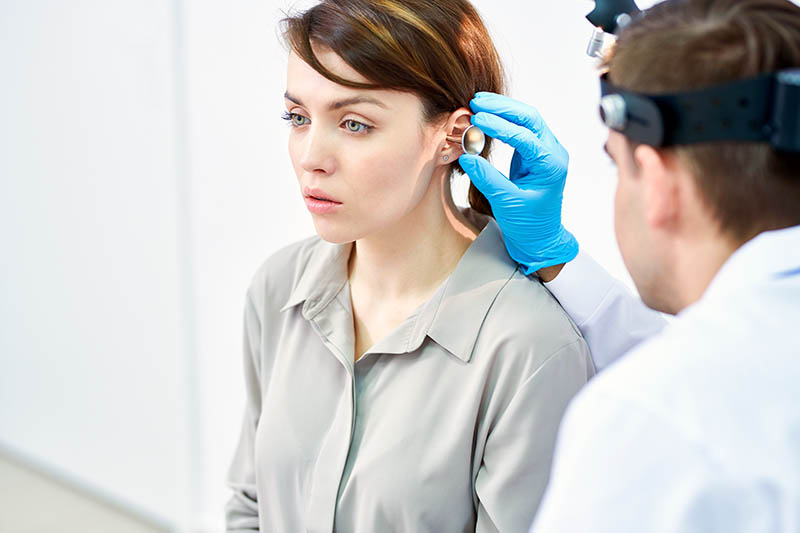
It is estimated that over 450 million people worldwide have hearing loss at a debilitating level, with over a billion more at risk. While hearing aids can relieve some hearing issues, it’s estimated that over 20 percent of people that could benefit from hearing aid devices have been fitted to use them. Many who have received a hearing test that indicates hearing loss wait 5 to 7 years before purchasing hearing aids devices. Scheduling a hearing test with your audiologist is crucial if you want to stay on top of your hearing health.
Reasons Why You Should Schedule A Hearing Test
Improve Issues with Hearing Family and Friends
One of the most significant impacts hearing loss can have on a person’s life is the reduction in hearing loved ones. Children and women typically have higher-frequency voices making it difficult for those with high-frequency hearing loss. One of the most impactful reasons to get a hearing test is to be able to hear friends and family clearly again.
Improvement in Job Performance
Another common issue that can arise with hearing loss is reduced performance at work. Not being able to hear co-workers or the boss can negatively impact our lives at work, resulting in loss of hours, raises, and promotions. Getting fitted for a hearing aid can give you a boost at your job by helping you be more productive and confident.
Improved Health and Overall Well-Being
Hearing loss doesn’t merely affect hearing. When the ability to hear has been diminished, the brain has to work harder to decipher the signals leading to brain exhaustion, and too much stress on the brain can lead to worse issues. Studies have shown that the use of hearing aids helps take the strain off the brain and helps with cognitive functions.
Hearing Loss can be Associated with Other Health Issues
Recently, people have become more conscious of the health hazards linked with hearing loss. Studies have shown that there are conditions connected to diminished hearing. The most problematic relationship is between brain issues like dementia and hearing loss. Seniors with hearing loss are particularly vulnerable to developing conditions like dementia than those who maintain healthy hearing.
Frequently Asked Questions
Scheduling a hearing test is crucial because hearing loss can progress gradually and may not be immediately noticeable. Early detection allows for timely intervention, which can improve communication with loved ones, enhance job performance, and reduce the risk of cognitive decline associated with untreated hearing loss.
Hearing loss often makes it difficult to hear higher-frequency voices, such as those of women and children. This can impair your ability to communicate effectively with loved ones, leading to frustration and social isolation. A hearing test can identify these issues and help you regain clearer hearing to improve your relationships.
Untreated hearing loss can make it challenging to hear co-workers or supervisors, potentially leading to misunderstandings, decreased productivity, and missed opportunities for raises or promotions. Using hearing aids after a hearing test can improve your work performance by enhancing your hearing and confidence in the workplace.
Addressing hearing loss through hearing aids reduces the strain on your brain caused by trying to decipher unclear sounds. This reduction in mental effort can help prevent brain exhaustion and may support better cognitive function, contributing to improved overall well-being.
Yes, studies have found a significant relationship between hearing loss and an increased risk of dementia, especially in seniors. Maintaining healthy hearing or treating hearing loss promptly can help reduce this risk and support brain health as you age.
Research shows that many individuals who receive a hearing test indicating hearing loss wait between 5 to 7 years before purchasing and using hearing aids. This delay can prolong communication difficulties and increase health risks, which is why early use of hearing aids is encouraged after diagnosis.





