
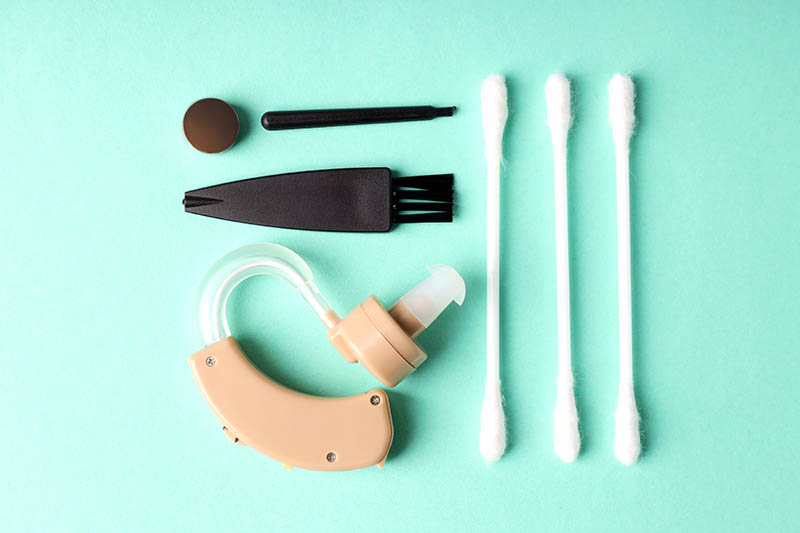
For people with hearing loss who use hearing aids, the enormous benefits of social engagement, work productivity, and enjoying hearing the world around you are only tempered by how well your device functions. Today’s hearing aids are small and powerful, filled with modern technology. These devices are much more prone to failure due to everyday use. Proper care and cleaning are vital to helping keep your device functioning when it’s needed. The following hearing aid maintenance tips will help you to ensure it keeps working over its lifetime.
Hearing Aid Maintenance Tips: Cleaning Tips for Your Hearing Aids
Clean Your Device Every Day
Inspecting and cleaning your hearing aid every day is essential. Microphone inputs, sound output channels, and volume controls can become blocked and obstructed by ear wax, sweat, and debris. Start with a wipe-down with a soft damp cloth to clean the outside. Always wash your hands before handling your devices; never use chemical-based or alcohol cleaners. Avoid sharp objects to clean any openings due to the damage they can cause. Always use the correct cleaning kit designed for your device. If it’s filthy or you cannot clean it yourself, an audiologist can provide a deep cleaning service.
Storage Tips
Proper storage is as necessary as good cleaning habits; both will ensure your device works when needed. It’s not advised to leave your hearing aids in the open air when not in use. Even moisture in the air can cause permanent damage. The good news is that many storage cases also operate as dryers and antibiotic systems that protect your hearing aids while they are stored.
Taking Care of Batteries
Hearing aids only work when they have adequate power. These devices must have the correct batteries with a reasonable charge to function. The charge time for a battery depends on how much the device is used. The average lifespan for disposable batteries is around two weeks. Having extra on hand is a good idea, so you’re not scrambling for replacements when the current set gets used up. Always store batteries in a dry, cool place when not used.
Frequently Asked Questions
You should clean your hearing aids every day to ensure optimal performance. Daily cleaning helps remove ear wax, sweat, and debris that can block microphone inputs and sound channels. Using a soft damp cloth and proper cleaning tools designed for your device will keep it functioning well.
To clean your hearing aids, start by washing your hands. Use a soft, damp cloth to gently wipe the exterior but avoid using chemical or alcohol-based cleaners. Never use sharp objects to clear openings as they can damage the device. If your hearing aids become too dirty, seek professional cleaning from an audiologist.
Proper storage protects hearing aids from moisture and environmental damage when not in use. Many storage cases double as dryers and antibiotic systems to keep devices safe and dry, which helps prolong their lifespan and ensures they function when needed.
Yes, moisture, even from the air, can cause permanent damage to hearing aids. That’s why it’s important to avoid leaving them exposed when not in use and use specialized storage cases that help dry and protect the devices.
Disposable hearing aid batteries generally last around two weeks, depending on how much the device is used. It’s advisable to keep extra batteries on hand to avoid interruptions in usage when your current batteries run out.
Always use the correct batteries recommended for your hearing aids and replace them when their charge runs low. Store unused batteries in a cool, dry place to maintain their efficacy. Paying attention to battery care ensures your hearing aids have reliable power when needed.





