
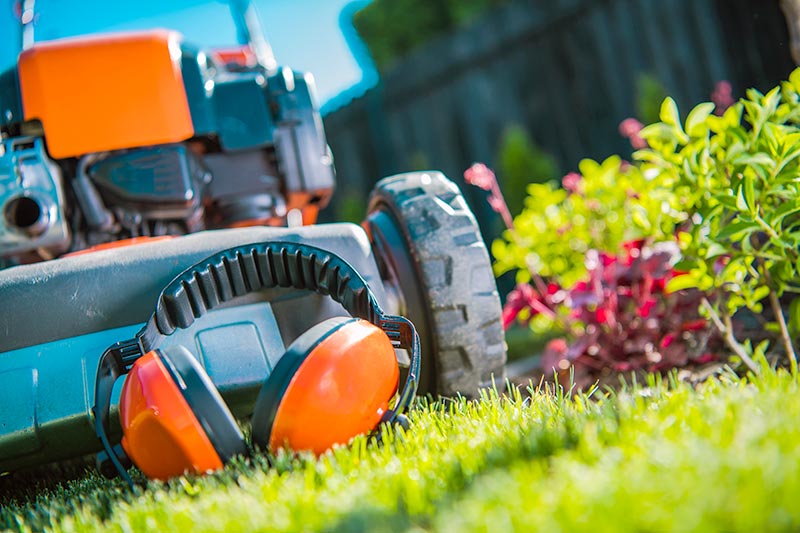
Springtime is celebrated every year as the time of renewal, growth, and outdoor events. With the cold weather of winter passing away, it seems like the whole world is ready to get outside and enjoy the warmer temperatures to the fullest. Unfortunately, the season’s excitement can overshadow the genuine risks to hearing health that springtime brings along with it. Just in case it slipped your mind, we have put together this handy guide of springtime hearing protection tips to help you protect your hearing health this spring.
Springtime Hearing Protection Tips: The Dangerous Sounds of Spring
Some of the most popular outdoor activities for springtime are also responsible for the most common hearing health risk found during the season. Many people forget to consider the risks to hearing when they venture out to enjoy the activities of spring. Loud sounds are easily overlooked until they create problems that could lead to permanent damage. Whether it’s the lawnmower or an outdoor concert, loud sounds can happen almost anytime you are outside, sometimes without warning.
Exposure to Water
Another common danger to hearing health comes from another spring activity that many people enjoy, swimming and exposure to water. Nothing says spring quite like the first dip in the pool or BBQ at the lake. Unfortunately, this activity can lead to issues like Swimmer’s Ear, which can cause problems if proper precautions are not taken.
Wind and Debris
Sometimes just being outside can lead to severe problems, as dust, dirt, and debris carried by a strong wind can blow foreign matter into the ears creating blockages, injuries, and potential infections. If something sharp gets lodged too deep, it can even cut the opening to the ear canal if not removed gently.
Protective Gear
Besides being aware of your environment, the other best advice is to have protective gear on hand to prevent issues before they arise. Loud sounds above 85 decibels can be blocked out with noise-canceling headphones or earplugs, reducing any chance of damage to your hearing. Earplugs are also great for blocking out water and debris as well. Since earplugs are small and can fit into any pocket, there really isn’t any good reason to leave them behind when seeking out springtime adventures of any type.
Most experts recommend an excellent low-tech solution known as a hat for dealing with dangers from debris in the wind. A solid brimmed hat can do a dependable job of keeping debris out of your ears. If you find something has made its way into your ears, don’t force it out, you could cause more damage than intended. If a piece of debris doesn’t come out on its own, make sure to see a medical professional to have it removed safely.
Frequently Asked Questions
Springtime activities often expose individuals to loud noises such as lawnmowers and outdoor concerts, which can lead to permanent hearing damage if proper protection isn't used. Additionally, exposure to water during swimming or lake activities can cause ear infections like Swimmer's Ear, and wind can carry debris into the ears causing blockages or injuries.
Sounds above 85 decibels are considered loud enough to potentially damage hearing. Activities like using lawnmowers or attending concerts can easily exceed this level, so it is important to use hearing protection like earplugs or noise-canceling headphones during these times.
Protective gear such as noise-canceling headphones or earplugs are recommended to block out loud sounds, water, and debris during springtime activities. Additionally, wearing a solid brimmed hat can help prevent wind-blown debris from entering the ear canal.
Exposure to water from swimming or lake activities can lead to infections like Swimmer's Ear if proper ear protection and care are not taken. It's important to keep ears dry when possible and use protective plugs to prevent water-related ear problems.
If debris gets lodged in the ear, do not attempt to force it out, as this can cause injury. Instead, try gentle methods or visit a medical professional to safely remove the debris and prevent further damage or infection.
Wearing a solid brimmed hat can effectively shield your ears from wind-blown dust, dirt, and debris, reducing the risk of blockages, injuries, and infections during outdoor spring activities.