
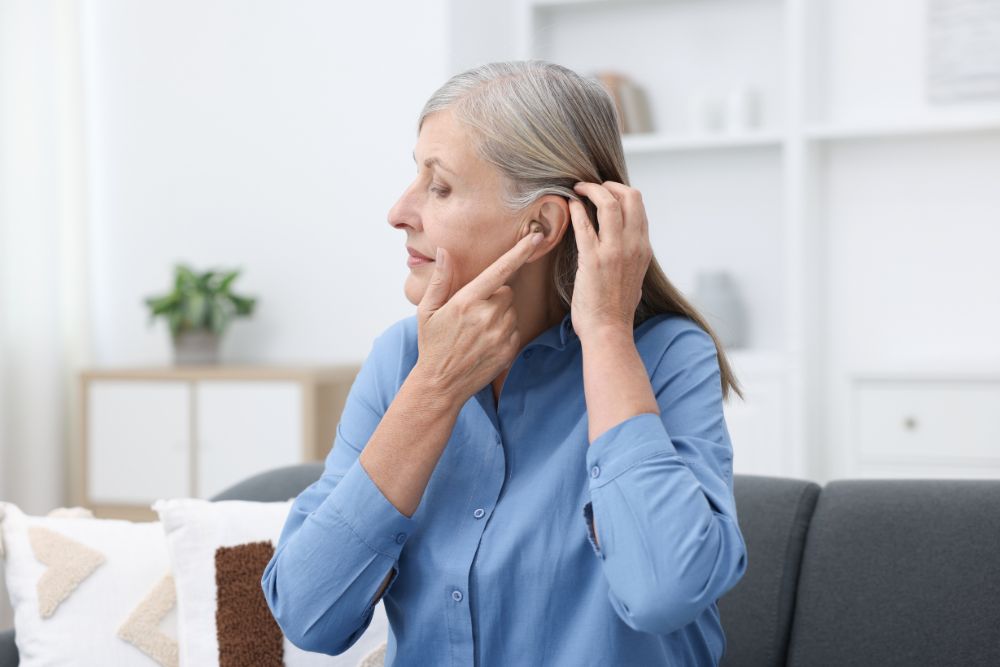
What Is Age-Related Hearing Loss?
Hearing naturally changes as we age, and many people experience age-related hearing loss, also known as presbycusis. This condition typically develops gradually, making it easy to overlook early signs. Many adults notice difficulty following conversations in noisy environments or feeling as if others are mumbling, which can impact social interactions and overall quality of life.
Causes of Age-Related Hearing Loss
The causes of age-related hearing loss are varied. Genetics play a significant role, but cumulative exposure to everyday noise, health conditions such as diabetes or high blood pressure, and changes in the inner ear can contribute to the progression. Detecting hearing loss early allows patients to explore solutions before the condition affects communication and relationships.
Treatment Options
Treatment options range from hearing aids designed to improve clarity in different sound environments to surgical interventions in select cases. Lifestyle adjustments, like minimizing prolonged exposure to loud sounds, can also help preserve remaining hearing.
Signs You Should Seek Evaluation
- Difficulty understanding speech in groups or noisy spaces
- Frequently asking people to repeat themselves
- Turning up the volume on devices higher than usual
Early intervention and regular checkups can help you maintain independence, stay socially engaged, and enjoy everyday activities without the frustration of hearing difficulties.
Frequently Asked Questions
Otosclerosis is a condition characterized by abnormal bone growth around the stapes bone in the middle ear, which restricts its movement. Since the stapes is crucial for transmitting sound vibrations to the inner ear, this limitation results in progressive hearing loss.
The exact cause of otosclerosis is not always clear, but it may involve genetic factors, hormonal changes, or previous viral infections. These factors contribute to abnormal bone growth around the stapes bone in the middle ear.
Common symptoms include gradual hearing loss, difficulty hearing low-frequency sounds, a sensation of fullness in the ear, and trouble understanding speech in noisy environments. These signs typically develop slowly over time.
Diagnosis involves a thorough evaluation by an otologist, including hearing tests and a physical examination. This helps identify the exact cause of hearing loss and guides appropriate treatment.
Treatment varies based on severity and includes monitoring in early cases, using hearing devices like amplifiers to improve hearing clarity, or undergoing surgery such as a stapedotomy, where the affected bone is replaced with a prosthesis to restore sound transmission.
Early treatment is important because otosclerosis can progressively worsen if left untreated. Prompt diagnosis and intervention can greatly improve hearing ability and overall quality of life by preventing further hearing loss.





