
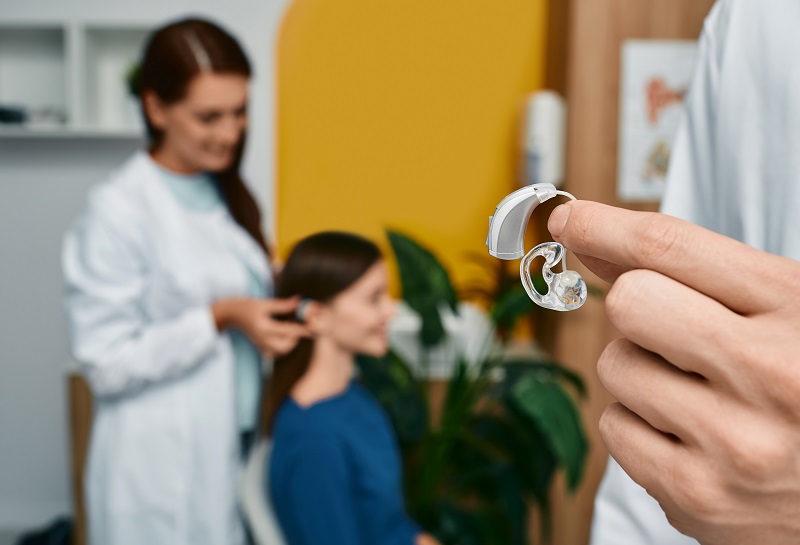
If you have encountered issues with the performance of your hearing aids, you are not alone. It is not unusual for hearing aids to need additional maintenance to function effectively. Should you find that your devices are not performing optimally, we advise you to refrain from throwing them out. Maintaining your hearing aids in excellent condition is paramount, not only for the durability of the devices but also for sustaining your overall quality of life. Many users encounter issues that impact their daily activities; however, several practical solutions can be implemented independently from the comfort of your home to help improve the performance of your hearing aids. These solutions may serve as a preliminary step before seeking a repair appointment or new devices.
How to Improve the Performance of Your Hearing Aids
Cleaning Your Device:
Regular maintenance of hearing aids is critical for ensuring their optimal performance. Accumulation of dust, earwax, and moisture can compromise sound quality and diminish the effectiveness of these devices. Implementing a routine cleaning schedule can help preserve their functionality.
Daily Cleaning
Use a dry, soft cloth to clean your hearing aids daily. Refrain from using water or alcohol-based cleaners, as these substances may compromise the integrity of the electronic components.
Debris
Many hearing aids come with a cleaning brush designed for maintenance. This brush makes it easy to eliminate any wax or debris that may accumulate.
Moisture
Employ a dehumidifier or a drying box to ensure the removal of moisture overnight. The presence of excessive moisture can have a significant and detrimental effect on the electronic components of the devices.
Replacing Ear Domes and Wax Guards:
Replacing ear domes or wax guards may be required if cleaning does not adequately address the issue. These small components can become obstructed or deteriorate over time, leading to a decline in sound clarity.
Ear Domes
Examine the condition of the ear domes for any evidence of wear and tear. Should the domes appear brittle or degraded, consider their replacement. This process is generally straightforward and can be conducted independently by procuring replacement domes directly from your hearing aid supplier.
Wax Guards
These small filters play a critical role in preventing wax from entering your hearing aids. It is advisable to inspect them every few weeks and replace them if they appear obstructed. For precise instructions on how to change these components, always consult your hearing aid manual, as the procedures may differ between models. By ensuring that these components are well-maintained, you can optimize the operation of your hearing aids, thereby enhancing sound quality and overall listening experience.
Factory Reset:
Occasionally, the software in your hearing aids may require a reset to address persistent issues. While a factory reset can be a helpful solution, it is essential to understand that this procedure will reset the device to its original settings and may result in the loss of any personalized adjustments.
Consult the Manual
It is imperative to consult the manual or engage with your hearing aid provider for assistance. Each model possesses a distinct reset procedure, making it essential to adhere to the specific instructions relevant to your device.
Back Up
If your hearing aids can connect to a phone or computer app, we advise you to back up your settings before executing a factory reset. This precautionary measure can significantly reduce the time and inconvenience associated with the reset process. By implementing these steps, a factory reset can serve as an effective troubleshooting method, ensuring that your hearing aids perform optimally.
Implementing these steps can significantly clear performance issues and promote the longevity of your hearing aids.
Frequently Asked Questions
Daily cleaning of your hearing aids is recommended to maintain optimal performance. Use a dry, soft cloth to wipe the devices and avoid water or alcohol-based cleaners, which can damage electronic components. Regular cleaning prevents the buildup of dust, earwax, and moisture that can impair sound quality.
Many hearing aids come with a specialized cleaning brush designed to remove earwax and debris from small crevices. Using this brush regularly helps prevent blockages that diminish sound quality. Cleaning should be done gently to avoid damaging sensitive parts of the hearing aid.
Ear domes and wax guards should be inspected regularly for signs of wear, tear, or blockage. If ear domes appear brittle or degraded, or wax guards look obstructed, replacing them can improve sound clarity. Replacement parts can typically be purchased from your hearing aid supplier and changed at home following your device’s manual instructions.
Excessive moisture can severely damage the electronic components of hearing aids. To prevent this, use a dehumidifier or drying box overnight to remove any moisture. This practice helps preserve device functionality and extends their lifespan.
Performing a factory reset returns your hearing aids to their original settings and may erase any custom adjustments. It's important to consult your hearing aid manual or provider for the correct reset procedure, as it varies by model. If possible, back up your settings via any connected app before resetting to avoid loss of personalized configurations.
Yes, many common hearing aid issues can be resolved at home through regular cleaning, replacing ear domes and wax guards, and performing a factory reset if necessary. These steps often restore performance and can delay the need for professional repairs or new devices.
Proper maintenance ensures that hearing aids function effectively, which is crucial for clear hearing and communication. Well-maintained devices support daily activities and social interactions, greatly enhancing your overall quality of life and device longevity.





