
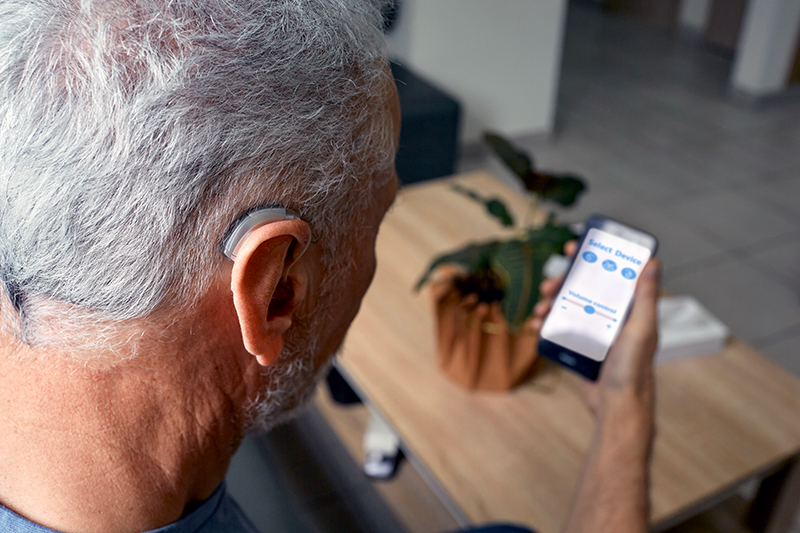
 A frequently asked question among both new and seasoned hearing aid users is, Is it possible to wear headphones while using hearing aids? Additionally, there may be inquiries regarding the most suitable types of headphones for use with hearing devices.
Can I Wear Headphones with Hearing Aids?
The truth is, individuals can wear headphones in conjunction with most hearing devices; however, this compatibility is contingent upon the specific style of the hearing aid, the type of headphones used, and personal comfort preferences.
Over-Ear Headphones for Behind-the-Ear Hearing Aids
For individuals who utilize behind-the-ear hearing aids, which are the most prevalent style, over-ear headphones are typically the most suitable choice. This design not only accommodates hearing aids effectively but also offers superior sound quality, thereby enhancing the overall listening experience. Over-ear headphones provide notable comfort and significantly reduce background sounds, making them an ideal choice for attentive listening. Older hearing aids and analog technology may have resulted in feedback when paired with this style of headphones. However, contemporary hearing devices mitigate such issues, ensuring a seamless and effective listening experience.
On-Ear Headphones for Behind-the-Ear Hearing Aids
An on-ear headphone style can be effective; however, it may not sufficiently reduce background noise, as it does not fully cover the microphones of behind-the-ear hearing aids. Open-ear or bone conduction headphones may be an alternative, depending on the kind of hearing loss. However, these types of headphones allow ambient sounds to be fully audible, which may hinder one’s ability to concentrate on audio content.
Headphones for In-The-Canal Hearing Aids
Individuals who utilize in-the-canal hearing aids will find that over-the-ear and on-ear headphones are effective options. These headphones transmit sound directly into the hearing aids, benefiting users from their prescribed amplification. As in-the-canal hearing aids lack a microphone behind the ear, users should experience minimal disruption from background noise. For those with sensorineural hearing loss, bone conduction headphones may also be a viable alternative; however, it is important to note that they will allow for the perception of surrounding ambient noise.
Bluetooth Hearing Aids
Individuals with Bluetooth-enabled hearing aids can stream music directly to their devices, eliminating the need for headphones. This functionality offers a convenient and seamless connectivity experience. However, there may be instances when background noise diminishes the clarity of the streamed audio. In such cases, muting the external microphone on the hearing aids may enhance the overall listening experience. Wearing visible headphones can serve as a useful signal in situations where it is vital to communicate to others that one may not be able to hear them. This is particularly relevant in public transportation settings, fitness environments, or situations when you want some personal space. Therefore, readily available headphones may prove beneficial, even when streaming the primary audio source through the hearing aids.
Earbuds and Hearing Aids
Earbud-style headphones can be a suitable option, depending on individual comfort levels. Some individuals may find that earbuds fit comfortably over their hearing aids, while others may experience discomfort. It is advisable to experiment with different alternatives to determine what best meets your needs.
Safe Listening
It is essential to prioritize the health of your ears. If you experience hearing loss, safeguarding the hearing you still possess is vital. We recommend adhering to the 60-60 safe listening guideline: limit listening to no more than 60 minutes at a time, maintaining the volume at no more than 60% of the maximum level. Additionally, taking regular breaks for your ears throughout the day is vital.
For those wanting to see the latest improvements in hearing aid technology, assess their current hearing levels, or acquire custom hearing protection for upcoming events, we invite you to contact us. Our team of hearing care professionals can assist you in enhancing your quality of life in the face of hearing loss.
Frequently Asked Questions
Yes, you can wear headphones with most hearing aids. Compatibility depends on the style of your hearing aid, the type of headphones, and your personal comfort. Advances in hearing aid technology have improved compatibility, reducing issues like feedback.
Over-ear headphones are usually the best choice for behind-the-ear hearing aid users. They comfortably fit over the hearing aids, provide excellent sound quality, and help reduce background noise. Modern hearing aids minimize feedback that was common with older technology.
On-ear headphones can be used with behind-the-ear hearing aids but may not fully block background noise since they don't cover the hearing aid microphones completely. Alternatives like open-ear or bone conduction headphones are available but let in ambient sound, which might affect concentration.
Both over-the-ear and on-ear headphones work well with in-the-canal hearing aids. These hearing aids have no behind-the-ear microphone, leading to less background noise interference. Bone conduction headphones may also be an option depending on the type of hearing loss, though ambient sounds remain audible.
Yes, Bluetooth-enabled hearing aids allow direct streaming of audio, eliminating the need for headphones. However, background noise might reduce clarity, so muting the hearing aids' external microphone can help. Wearing headphones visibly may still be beneficial in public settings to signal limited hearing.
Earbuds can be compatible depending on individual comfort. Some users find earbuds fit well over their hearing aids, while others feel discomfort. Testing different options is recommended to find the most suitable fit and comfort.
Hearing aid users should follow the 60-60 rule: listen for no more than 60 minutes at a time at a volume no higher than 60% of maximum. Taking regular breaks from listening helps protect residual hearing and maintain ear health.