
Everybody has habits, driving habits, eating habits, and sleeping habits, to name a few. But not all habits are equal. While some are very beneficial, others could be harming your hearing without realizing it. We have compiled a list of some of the most unhealthy hearing habits that you might be doing that could be harming your hearing health.
Unhealthy Hearing Habits: Bad Habits That Are Affecting Your Hearing
Sticking Things Smaller than Your Elbow Inside Your Ear
One of the most dangerous things to do to your ears is putting anything long and skinny inside them. The two most common culprits are cotton swabs, which can puncture eardrums and dirty fingers that can leave contaminants and bacteria behind to create problems later on.
Ignoring Early Signs of Hearing Loss
It’s never too early to get a hearing test if you suspect you are having issues. Putting off getting tested can lead to worse problems after early intervention is no longer an option.
Not Wearing Hearing Aids
Hearing aids provide functions to enable hearing and protect from further damage. But, it can’t do these things if you’re not wearing them. Make sure to follow your audiologist’s recommendations when wearing your hearing aid.
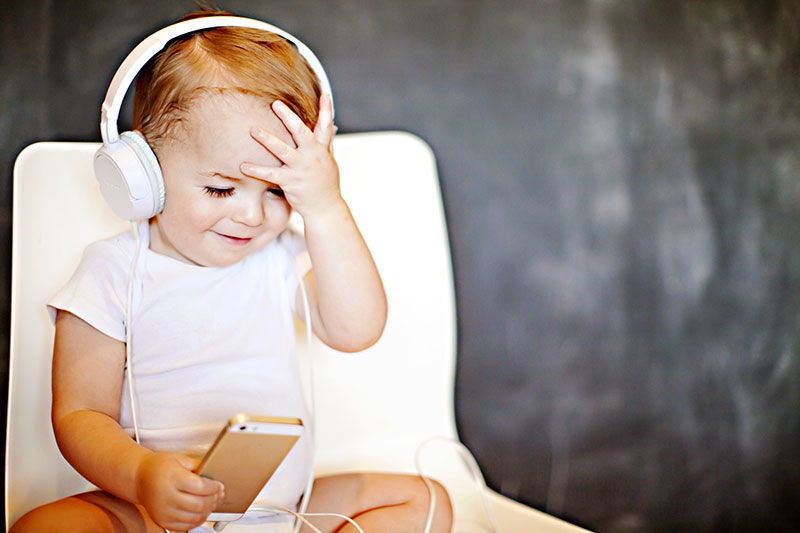
Exposure to Loud Music on Headphones or Lack of Protection From Loud Sounds
Subjecting your hearing to high decibel sounds is the most common way to damage hearing health. Keeping the volume low on headphones or using ear protection in loud environments are habits that will protect your hearing for years to come.
Living an Unhealthy Lifestyle
Some of the worst habits that can adversely affect hearing health are those we hardly think about but are present on a daily basis. Living a sedentary lifestyle void of exercise, eating an unhealthy diet, excessive alcohol consumption, smoking, or vaping are all bad habits that will negatively affect your hearing health. The age-old advice of exercising, eating a better diet, and cutting back or stopping the use of alcohol and nicotine are the best ways to improve your overall health, not just your hearing.
Frequently Asked Questions
Inserting objects such as cotton swabs or fingers into your ear can puncture the eardrum and introduce bacteria or contaminants, leading to infections or long-term damage. It's safest to avoid putting anything smaller than your elbow inside your ear canal.
If you notice early signs of hearing loss, it is crucial to get a hearing test as soon as possible. Early detection allows for timely intervention, which can prevent further deterioration and improve your ability to manage hearing issues.
Hearing aids not only improve your ability to hear but also protect your hearing by reducing the strain on your auditory system. Following your audiologist's recommendations for wearing hearing aids ensures you receive maximum benefit and prevent additional damage.
Listening to music at high volumes on headphones exposes your ears to damaging decibel levels, which can lead to permanent hearing loss. Keeping the volume low and limiting headphone use are essential habits to protect your hearing health.
A sedentary lifestyle, poor diet, excessive alcohol consumption, smoking, and vaping negatively impact hearing health by reducing blood flow and increasing the risk of damage to the auditory system. Improving these lifestyle factors benefits not only your hearing but your overall health.
Healthy habits include avoiding inserting objects into your ear, getting regular hearing tests, wearing hearing aids as directed, protecting your ears from loud noises by lowering volume or using ear protection, and maintaining a healthy lifestyle with exercise and a balanced diet.





