
As the winter season arrives, bringing colder and sometimes wetter weather, many bundle up and take precautions against the cold. The lower temperatures create unique issues for those who wear hearing aids. These devices contain sensitive components that can be affected by the change in seasons. Knowing how to deal with these issues can go a long way to help reduce malfunctions and minimize the amount of time a hearing device is not working. To help, we have created this list of cold weather hearing aid tips to help you get the most of your device this winter.
Four Helpful Cold Weather Hearing Aid Tips
#1 Batteries and the Cold
Many people do not realize the effects the cold can have on batteries. Prolonged exposure to lower temperatures can reduce battery charge, making them run out faster; make sure to have extra batteries, just in case.
#2 Storage Tips
Leaving your hearing aids in a protected storage case is a guaranteed way to protect your devices from moisture, especially if you plan on doing vigorous outdoor activities like shoveling snow. It’s also a good idea to remove the batteries while your hearing aid is not in use. This can help prolong the life of your batteries.
#3 Outdoor Issues
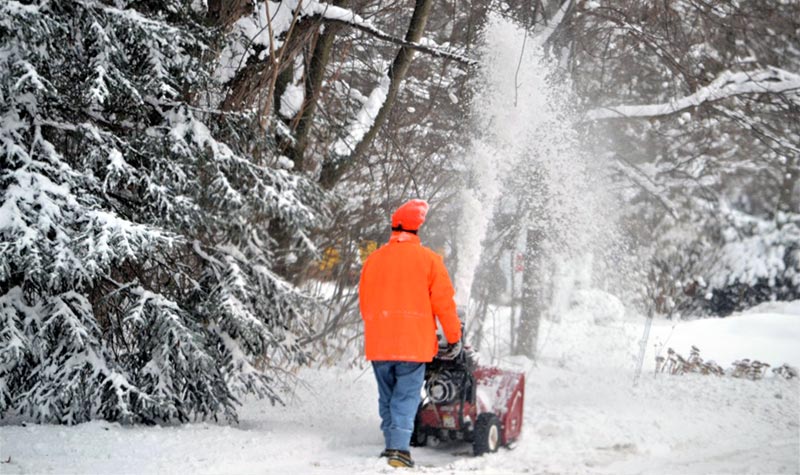
While snowy settings can be beautiful, they can, at times, also be very loud. From snow-blowers to snow-mobiles, the snow inspires all kinds of industrial noises. Having a hearing aid with adjustable settings or wearing ear muffs large enough to cover your hearing aids can help reduce excessive noise levels.
#4 Drying
One of the most significant issues with hearing aids and colder weather is the condensation that forms when drastic temperature changes occur. Coming into a warm environment after prolonged exposure to the cold can interfere with your hearing aid’s ability to function. When this happens, it’s essential to allow your device to dry out thoroughly before using it again. Remove the batteries and place them in a well-ventilated area to ensure they dry out completely.
Frequently Asked Questions
Cold weather can reduce the charge of hearing aid batteries more quickly, causing them to run out faster than usual. It is important to carry extra batteries during colder months to avoid unexpected power loss.
Storing hearing aids in a protective case helps shield them from moisture, especially during outdoor activities like shoveling snow. Additionally, removing the batteries when the device is not in use can help prolong battery life during the winter.
Winter outdoor environments can be noisy due to equipment like snow-blowers and snow-mobiles. Using hearing aids with adjustable settings or wearing ear muffs that cover your hearing aids can help reduce excessive noise and improve comfort.
Condensation can form on hearing aids when moving from cold outdoor conditions to warm indoor environments. This moisture can interfere with device function. To prevent damage, remove the batteries and let the hearing aids dry thoroughly in a well-ventilated area before using them again.
Yes, removing the batteries when your hearing aids are not in use during cold weather can help prolong battery life by preventing unnecessary drainage and protecting against moisture damage.
Wearing ear muffs large enough to cover your hearing aids can provide an extra layer of protection against cold and help reduce loud environmental noises often present during winter activities.