
Human earwax, also known as cerumen, is an integral part of hearing health. Without it, the tiny hairs called stereocilia would become exposed to debris, bacteria, and moisture hindering their function. Usually, this isn’t an issue for most people, as the ears are self-cleaning, and most don’t even think about their earwax as a result. However, when problems arise, such as earwax build-up, infections, and impactions, it can seriously affect your overall well-being.
Symptoms of Earwax Build-Up
• Diminished hearing or ringing in the ears
• Dizziness or imbalance
• Congestion, sometimes accompanied by coughing
• Pain in the ears
• Feeling drainage in the ears
No two people in the world are the same, and that is also true about earwax. Earwax comes in many different ways, from the amount the body produces to its consistency. Some don’t produce enough, while others make too much. Despite the different variations, all it takes to clean them is some soap, water, and a clean washcloth. While severe issues like impaction or infection need to be treated by a physician, minor discomforts can be treated at home with relative ease.
Essential Tips for Ear Health
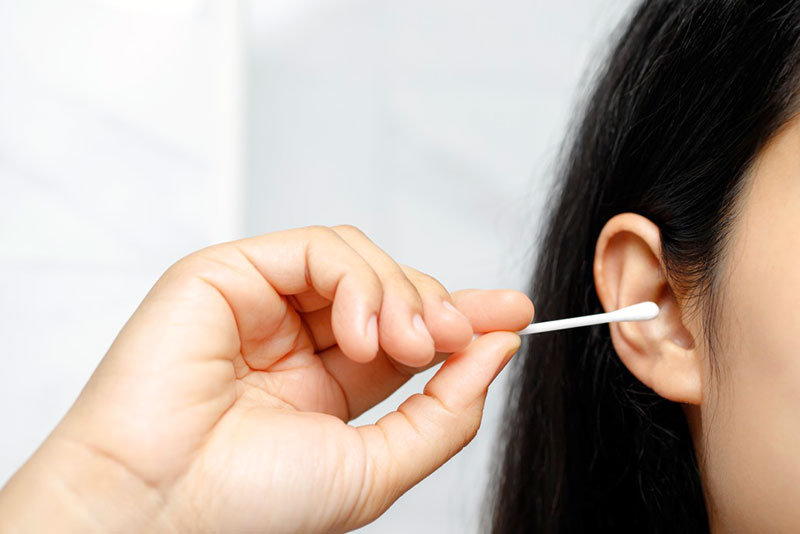
• Avoid putting things in your ears, like fingers or cotton swabs. Long thin objects can damage the inner ear and could cause impaction or puncture the eardrum.
• Dry your ears thoroughly after bathing or showering. Excessive moisture can attract dirt and bacteria, leading to issues.
• Things like hearing aid devices and earbuds can cause impaction if earwax build-up occurs. Make sure to have your ears checked regularly for any potential problems.
Home Remedies for Earwax Build-Up or Blockage
• Natural Oils
Almond oil, coconut oil, or olive oil can all be used to soften earwax making it easier to remove. Ensure the oil is at room temperature. Depending on your environment, you may have to run your container of coconut oil under warm water until it liquefies. Turn your head to the side and apply a few drops directly into the ear with a dropper. Stay in that position for about 10 min and allow the oil to loosen the wax. After it has had time to soak in, cover the ear with a towel or cotton ball and straighten up. You do this to both ears several times a week if you have chronic issues.
• Baking Soda and Water
As an alternative to using oils, a mixture of 10% baking soda in water will also loosen earwax. Follow the steps above, substituting your baking soda mixture for the oil. The only difference is that you want to cover the ear directly after application. Baking soda will bubble as it interacts with the wax and could end up running over if you are not careful.
• Rubbing Behind the Ears
You can stimulate the ducts and passages in the sinuses containing earwax, helping it drain naturally. Place your thumb behind your ear, right behind where your earlobe meets your skull. Move your thumb in little circles, gently massaging and warming up the area. This can be done on both ears at once, during or after soaking treatments.
• Drink Water
Having a glass of water can help stimulate the sinuses to help clear them, including the ear canals. Staying hydrated also promotes fluid balance helping to reduce earwax build-up over a more extended period.
• Omega-3 Unsaturated Fats
While consuming omega-3s isn’t an immediate remedy, overall, incorporating this into your diet helps balance the body and reduce overproduction of earwax, and assists the body to remove it naturally.
Frequently Asked Questions
Common symptoms of earwax build-up include diminished hearing or ringing in the ears, dizziness or imbalance, congestion sometimes accompanied by coughing, pain in the ears, and a sensation of drainage from the ears. These symptoms can vary depending on the severity of the blockage or impaction.
For minor earwax build-up, you can soften the wax using natural oils like almond, coconut, or olive oil by putting a few drops in the ear and letting it sit for about 10 minutes. Alternatively, a 10% baking soda solution in water can be used to loosen the wax. Gentle rubbing behind the ears and staying hydrated can also help promote natural drainage of earwax. Avoid inserting objects like cotton swabs into your ears.
Inserting cotton swabs, fingers, or any long, thin objects into the ear canal can damage the inner ear, push wax deeper causing impaction, or puncture the eardrum. This can lead to infections, hearing problems, or more severe ear conditions that require medical treatment.
Maintaining ear health involves drying ears thoroughly after bathing to prevent moisture buildup, avoiding insertion of foreign objects, regular ear checks especially if using hearing devices or earbuds, staying hydrated, and including omega-3 unsaturated fats in your diet to help regulate wax production naturally over time.
If you experience severe symptoms like persistent pain, significant hearing loss, dizziness, or suspect earwax impaction or infection, you should see a healthcare professional. These conditions often require medical treatment beyond home remedies to prevent complications.
Drinking water helps stimulate the sinuses and promotes fluid balance in the body, which can assist in clearing ear canals and reducing earwax build-up over time. Staying well-hydrated supports the body’s natural processes in managing earwax levels.
Incorporating omega-3 unsaturated fats into your diet can help balance the body's functions and reduce the overproduction of earwax. While not an immediate solution, omega-3s support natural removal of earwax and overall ear health in the long term.