
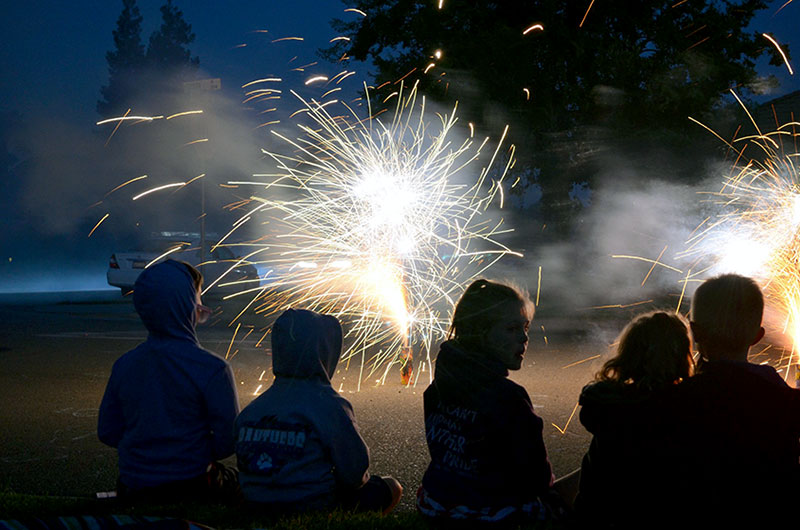
On the Fourth of July, many get together and celebrate. Enjoying time with family and friends over a delicious barbeque and ending the day with a spectacular fireworks display. For many, the beautiful display is the cherry on top at the end of the day, but this explosive display of colors and lights can be harmful if the proper precautions are not followed. Everyone needs to watch their exposure to dangerous noise levels, but parents need to take extra steps to ensure that they protect their children’s ears. Noise-induced hearing loss does not discriminate when it comes to age, as it can affect anyone who is exposed to loud sounds. Unfortunately, during the summer, especially around Independence Day, there are multiple displays of fireworks. While this display is often eye-catching, fireworks are deafening, as they produce a sound that ranges from 150 to 175 decibels. Whereas adults should not be exposed to more than 140 decibels, and for kids, it’s even lower at 120 decibels. Luckily, following our helpful 4th of July safety tips for kids can help protect their little ears from the sounds of the holidays and beyond.
4th of July Safety Tips for Kids: How to Protect Little Ears
• If you have an infant, refrain from bringing them to your local fireworks display. Watching live fireworks is loud for everyone. However, since an infant’s ear canal is small, the sound becomes amplified. Due to the size of their ear canal, if you expose an infant to loud noises, you are putting them at higher risk for hearing loss. As an adult, if it sounds loud to you, it will sound even louder to your infant, so keep them home.
• If your child is not an infant, and you are bringing them to a fireworks display, make sure you bring ear protection for them to wear. While earplugs can work, they are not always recommended for small children due to the size of their ear canal. Their ears may be too small for earplugs to fit correctly, so invest in a good pair of earmuffs. Wearing ear protection will still allow your child to engage in conversations while protecting them from dangerously high decibel levels.
• It doesn’t matter if you come prepared with ear protection, it is crucial to sit away from the source of the sound. Avoid getting an “up-close” view, even if you are wearing earplugs, and stand back at least 500 feet from the main source of sound. Luckily, firework displays have far visibility, so you don’t need to be sitting up close and personal to get a good show. The further away you are, the less likely it becomes to cause damage to your child’s sensitive ears.
• Firework displays are loud, even when you are sitting a reasonable distance away, and for a child, especially a small one, this can be terrifying. If your child is not comfortable with watching fireworks in person, especially if it’s their first experience, do not push them. Instead, allow them to stay inside and watch a show on the internet or the television. Doing so can eliminate the chances of hearing loss and may even help alleviate their fears by giving them an understanding of what goes on at one.
Frequently Asked Questions
Fireworks produce extremely loud noises ranging from 150 to 175 decibels, which far exceeds safe noise exposure levels for both adults and children. Children's ears are more sensitive due to smaller ear canals, making them more susceptible to noise-induced hearing loss. Protecting their ears helps prevent long-term damage and preserves their hearing health.
It is recommended that infants should not be brought to live fireworks displays because their small ear canals amplify sound, making loud noises even more damaging. Exposure to these high decibel levels at such a young age increases the risk of permanent hearing loss, so keeping infants away from fireworks events is safest.
Earmuffs designed for children are the best option as they fit over the ears and effectively reduce loud noises without the risks associated with earplugs, which may not fit properly in small ear canals. Earmuffs allow children to hear conversations while still protecting their sensitive ears from dangerous decibel levels.
Children should be seated at least 500 feet away from the source of the fireworks to minimize exposure to harmful noise levels. Sitting farther away reduces the intensity of the sound reaching the ears, significantly lowering the risk of hearing damage while still allowing a good view of the display.
If a child is frightened by the loud noises of fireworks, parents should not force them to watch in person. Instead, letting the child watch fireworks on television or online can eliminate the risk of hearing damage and help them gradually understand the experience without fear.
Earplugs are generally not recommended for young children because their ear canals may be too small for proper fitting, which can reduce effectiveness and increase the risk of improper use. Earmuffs provide a safer and more reliable alternative for protecting children's ears at fireworks events.