
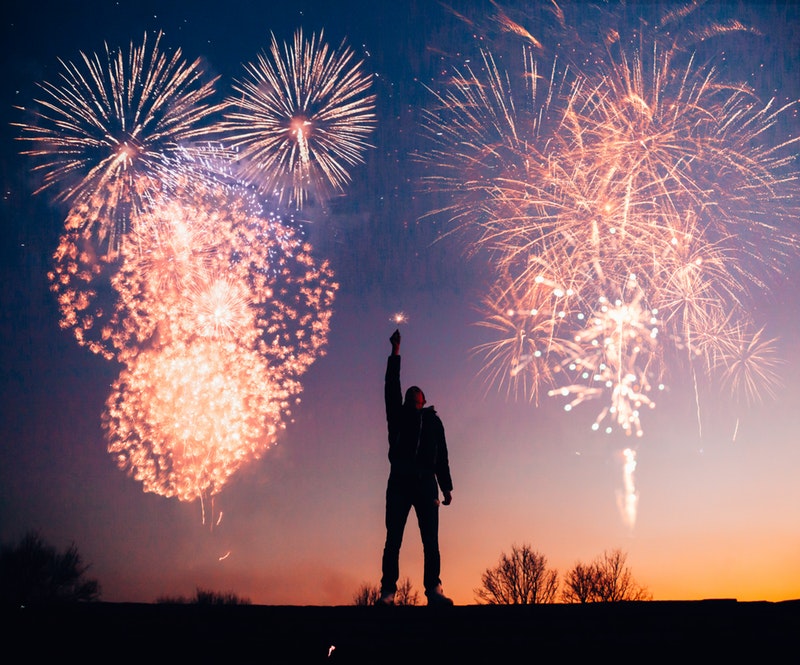
While the typical Fourth of July traditions are fun and exciting to watch, it doesn’t come without its share of risks. Unfortunately, this colorful holiday is one of the loudest, so you run a much higher risk of damaging your hearing. A firework show can reach as high as 155 decibels, which is past the safe limit, especially since 120 decibels can damage your hearing immediately. Fireworks are loud, louder than your typical rock concert and they can be louder than gunfire, so it would be smart to follow some safety guidelines. Luckily by following some Fourth of July hearing tips you can still enjoy this exciting holiday and preserve your hearing simultaneously.
Hearing loss is a growing problem, but you can take the proper steps by knowing how to lower your chance of damage. Protect your hearing this Independence Day with these helpful Fourth of July hearing tips.
• An easy and inexpensive way to protect your ears is to wear a pair of earplugs anytime you are near a source of loud noise. So if you are celebrating the Fourth by watching a concert or a fireworks show, make sure you invest in a pair. If you have a child under the age of eight, make sure they wear earmuffs.
• When you are at a fireworks show or a concert, make sure you keep a safe distance from the source of the noise. The further away you are, the risk of permanent hearing loss minimizes, so make sure you stay at least 500 feet away from speakers, firecrackers, fireworks, and any other loud source of noise.
• If you are at a loud event, even if you are wearing ear protection, make sure you know your limits and take periodic breaks. Every hour or two, try to find a quiet spot to give your ears a rest for at least 15 minutes. If you notice buzzing or ringing in your ears, make sure you give your ears a rest immediately.
• Seek the assistance of an audiologist if you are experiencing persistent ringing or buzzing in the ear, have hearing loss, or suspect your hearing is damaged. Feeling like your hearing has been affected should be your indicator that you should seek professional help.
Frequently Asked Questions
The Fourth of July involves fireworks shows that can reach up to 155 decibels, which exceeds safe noise levels. Since sounds above 120 decibels can cause immediate hearing damage, attending these events without protection increases the risk of permanent hearing loss.
Wearing earplugs is an easy and inexpensive way to protect your ears during loud events like fireworks or concerts. For children under eight, earmuffs are recommended to ensure their hearing is safeguarded from intense noise levels.
Maintaining a distance of at least 500 feet from sources like fireworks, speakers, and firecrackers is advised. The farther you are from the loud noise, the lower the risk of sustaining permanent hearing loss.
Taking periodic breaks in a quiet area helps give your ears a rest and lowers the risk of hearing damage from continuous exposure. If you experience symptoms like buzzing or ringing, you should rest your ears immediately to prevent further harm.
You should seek professional help if you experience persistent ringing, buzzing, or any signs of hearing loss after exposure to loud noises. Early consultation with an audiologist can help diagnose and treat potential hearing damage effectively.
Yes, fireworks can be louder than typical rock concerts and even gunfire, reaching levels up to 155 decibels. This extreme noise level makes hearing protection especially important during fireworks displays.
Immediate signs of hearing damage include buzzing or ringing in the ears. These symptoms suggest your ears are strained and should prompt you to take a break or use ear protection to avoid permanent damage.





