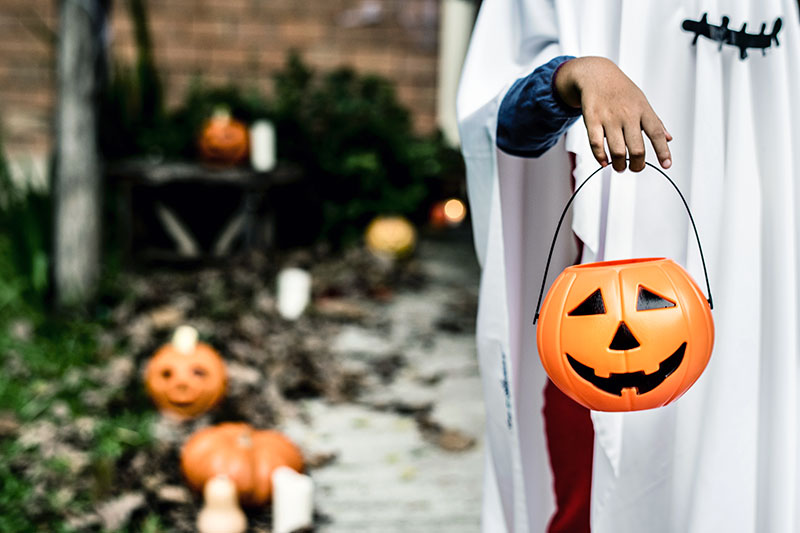
Millions of people look forward every year to Halloween, and why wouldn’t they? There’s costumes, candy, and trick or treating. However, since most of the festivities take place at dusk and at night, it can be challenging for those who are hearing impaired. The good news is that there is no reason to fear, here are a few hearing loss tips for Halloween to help you make the most of the holiday, even with a hearing impairment.
• Before anything begins, make sure hearing aids should have batteries checked and changed if needed, to prevent missing out on any festivities.
• Avoid any type of mask and costumes that impair sight or cover the ears, as these can create issues. Makeup, hats and un-obstructive disguises are an excellent way to go. Just because your head isn’t covered doesn’t mean you can’t have on a great costume.
• It can be a good idea to inform family members and other people who you can count on, of your plans for the night. Make sure to ask for assistance if you need it.
• Stick to known areas and neighborhoods, and avoid dark alleys and only visit homes that are brightly lit, hopefully, decorated to let you know they are receptive to trick or treaters.
Following the standard safety rules for Halloween is also a good idea. Many of the hazards experienced by those with impaired hearing are also there for everyone else. Here are some great tips from The American Academy of Pediatrics (www.aap.org) that everyone should follow.
• Try for bright and reflective costumes or add reflective tape to treat bags and costumes.
• Young children should always be accompanied by a parent/ guardian or trusted adult while going trick-or-treating through the neighborhood.
• Everyone should have flashlights with fresh new batteries.
• Always walk on the sidewalk and only walk on well-lit streets.
• While traveling in a group, always cross the street together, using crosswalks when available.
Frequently Asked Questions
Before Halloween activities begin, individuals with hearing loss should check and change the batteries in their hearing aids if needed. This ensures they don't miss out on any sounds or conversations during the festivities.
It is advisable for those with hearing impairments to avoid masks or costumes that cover the ears or impair sight. Instead, opt for makeup, hats, or unobstructive disguises that keep ears clear to facilitate the use of hearing aids and better awareness of surroundings.
Communicating your Halloween plans with family members and trusted individuals is important. Inform them of your route and costumes, and don't hesitate to ask for their assistance if needed during trick-or-treating to ensure safety and enjoyment.
Sticking to familiar neighborhoods and well-lit homes reduces safety risks and makes it easier for individuals with hearing loss to navigate the environment. Brightly lit and decorated homes also signal receptiveness to trick-or-treaters, enhancing the overall experience.
The American Academy of Pediatrics recommends wearing bright or reflective costumes, carrying flashlights with fresh batteries, having young children accompanied by adults, walking on sidewalks, and crossing streets as a group using crosswalks. These tips help keep all participants safe during Halloween.
Masks or costumes covering the ears can interfere with hearing aids and block sounds from the environment, making it harder for individuals with hearing loss to engage and stay aware of their surroundings during Halloween activities.