
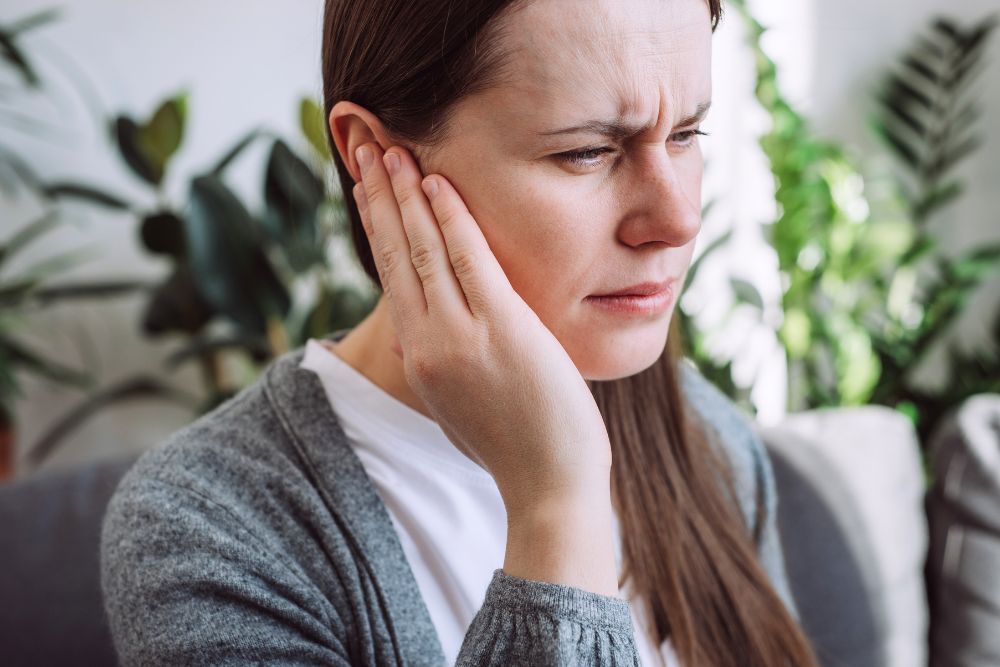
Sudden hearing loss requires prompt medical evaluation. If hearing decreases suddenly in one or both ears, particularly over a period of hours or a few days, do not assume it is caused by earwax, congestion, allergies, or an ear infection.
Sudden hearing loss can result from a problem in the ear canal or middle ear, but it can also be sudden sensorineural hearing loss (SSNHL), a condition involving the inner ear or hearing nerve that may require time-sensitive treatment.
An ear specialist can determine the type and severity of hearing loss through an examination and hearing testing and recommend appropriate treatment.
Sudden Hearing Loss Is a Medical Concern
A sudden change in hearing should be evaluated promptly. The earlier the type of hearing loss is identified, the sooner an appropriate treatment plan can be considered. The AAO-HNS guideline recommends obtaining an audiogram as soon as possible and within 14 days of symptom onset to confirm sudden sensorineural hearing loss.
If you suddenly cannot hear well in one ear, seek medical attention rather than waiting to see if the hearing returns on its own.
What Are the Symptoms of Sudden Sensorineural Hearing Loss?
Symptoms can vary, but common signs include:
- Sudden hearing loss in one ear
- Muffled or distorted hearing
- A blocked or full sensation in the ear
- Difficulty understanding speech
- Tinnitus or ringing in the affected ear
- Dizziness or vertigo
- Changes in sound quality
- Increased difficulty hearing in background noise
Sudden hearing loss may be noticed immediately or discovered after waking up. Some people experience tinnitus or dizziness at the same time as the hearing loss. According to the AAO-HNS, dizziness occurs in approximately 30% to 60% of cases of sudden sensorineural hearing loss.
What Causes Sudden Hearing Loss?
There are many possible causes of sudden hearing loss. These include conditions affecting the:
- Ear canal
- Eardrum
- Middle-ear bones
- Inner ear
- Hearing nerve
- Brain or central nervous system
In most cases of sudden sensorineural hearing loss, a specific underlying cause cannot be identified. These cases are generally referred to as idiopathic sudden sensorineural hearing loss. The AAO-HNS reports that approximately 90% of SSNHL cases are idiopathic. Potential causes or associated conditions may include:
- Viral or other infections
- Inner-ear disorders
- Autoimmune conditions
- Vascular or circulatory problems
- Head trauma
- Certain medications
- Neurologic conditions
- Tumors or other abnormalities affecting the hearing nerve
A thorough evaluation is necessary because sudden hearing loss can have different causes and treatment approaches.
How Is Sudden Hearing Loss Diagnosed?
The first step is determining whether the hearing loss is conductive or sensorineural.
Medical History and Ear Examination
Your physician will typically ask:
- When the hearing loss began
- Whether it occurred suddenly or developed over several days
- Whether one or both ears are affected
- Whether you have tinnitus
- Whether you have dizziness or vertigo
- Whether you recently had an infection
- Whether you experienced head trauma
- What medications you take
- Whether you have experienced previous episodes of hearing loss
The ear examination can help identify conditions such as earwax blockage, fluid, infection, or other problems involving the ear canal or middle ear.
Hearing Test
A comprehensive audiogram is an important part of evaluating sudden hearing loss. An audiogram measures hearing sensitivity at different frequencies and helps determine:
- The severity of hearing loss
- Whether the loss is conductive or sensorineural
- Whether one or both ears are affected
- Whether there is an asymmetry between the ears
The AAO-HNS recommends audiometric confirmation of SSNHL as soon as possible and within 14 days of symptom onset.
MRI or Other Evaluation
When sudden sensorineural hearing loss is diagnosed, additional evaluation may be recommended to assess for abnormalities involving the hearing nerve or other structures.
The AAO-HNS guideline recommends evaluating patients with SSNHL for retrocochlear pathology, typically using MRI or an auditory brainstem response (ABR) when appropriate. Routine CT scanning of the head is not recommended as the initial imaging test for presumptive SSNHL.
What Is the Treatment for Sudden Hearing Loss?
Treatment depends on the type and cause of hearing loss. For sudden sensorineural hearing loss, corticosteroids are commonly considered as an initial treatment option. The AAO-HNS guideline states that clinicians may offer corticosteroids as initial therapy within two weeks of symptom onset. Treatment should be individualized based on:
- The degree of hearing loss
- The timing of symptom onset
- The patient’s medical history
- Other symptoms
- The suspected cause
- Response to initial treatment
Treatment for Sudden Hearing Loss: Corticosteroids
Steroids may be administered systemically or, in appropriate circumstances, directly into the middle ear through an intratympanic injection. The purpose is to deliver anti-inflammatory medication in an effort to improve the likelihood of hearing recovery. The potential benefits and risks should be discussed with an ear specialist before treatment.
Treatment for Sudden Hearing Loss: Intratympanic Steroid Injections
Intratympanic steroid treatment involves placing medication through the eardrum into the middle ear. It may be considered as:
- An alternative treatment in selected patients
- Additional treatment when initial steroid therapy is not appropriate or does not result in adequate recovery
- Salvage therapy when hearing recovery is incomplete
The AAO-HNS guideline recommends offering or referring for intratympanic steroid therapy when patients have incomplete recovery two to six weeks after symptom onset.
Treatment for Sudden Hearing Loss: Hyperbaric Oxygen Therapy
Hyperbaric oxygen therapy (HBOT) may be considered in combination with steroid treatment in selected patients.
The AAO-HNS guideline identifies HBOT combined with steroid therapy as an option within two weeks of symptom onset and as salvage treatment within one month. Whether HBOT is appropriate depends on the patient’s circumstances and access to treatment.
Treatment for Sudden Hearing Loss: Other Medications
Not every medication marketed or used for hearing-related conditions has demonstrated benefit for sudden sensorineural hearing loss. The AAO-HNS guideline recommends against routinely prescribing antivirals, thrombolytics, vasodilators, or vasoactive substances for SSNHL. Treatment should therefore be based on an appropriate medical evaluation rather than self-treatment.
Can Sudden Hearing Loss Recover?
Recovery varies considerably. Some people experience substantial or complete improvement, while others have persistent hearing loss. The outcome can depend on factors such as the severity of the initial hearing loss, the presence of other symptoms, the underlying cause, and the timing and type of treatment.
Because recovery cannot be predicted reliably for an individual patient, follow-up hearing testing is important. The AAO-HNS recommends follow-up audiometry at the conclusion of treatment and again within six months after treatment.
What Happens If Hearing Does Not Return?
If significant hearing loss remains after treatment, hearing rehabilitation may help improve communication and quality of life. Depending on the degree and type of residual hearing loss, options may include:
- Hearing aids
- CROS or BiCROS hearing systems for certain patterns of one-sided hearing loss
- Assistive listening technology
- Audiologic rehabilitation
- Other hearing rehabilitation options
Hearing aids can amplify sounds and improve communication for many people with hearing loss, although their effectiveness depends on the severity and type of hearing loss.
The AAO-HNS also recommends counseling patients with residual hearing loss and/or tinnitus about audiologic rehabilitation and supportive measures.
Sudden Hearing Loss vs. Earwax or Ear Congestion
One reason sudden sensorineural hearing loss can be overlooked is that patients may initially believe their ear is simply blocked. A feeling of fullness or pressure can occur with SSNHL. However, hearing loss can also be caused by something relatively simple, such as:
- Earwax buildup
- Fluid behind the eardrum
- An ear infection
- Eustachian tube dysfunction
An examination and hearing test can help distinguish these conditions. If hearing suddenly decreases, it is safer to have the ear evaluated promptly rather than assuming the problem is congestion or wax.
Is Sudden Hearing Loss an Emergency?
A sudden change in hearing warrants prompt medical evaluation, particularly when it occurs in one ear. Seek urgent medical attention if sudden hearing loss is accompanied by symptoms such as:
- Severe dizziness or vertigo
- Facial weakness
- Numbness
- Difficulty speaking
- Severe headache
- Other new neurologic symptoms
These symptoms may indicate a condition requiring emergency assessment.
Sudden Hearing Loss in One Ear
Sudden hearing loss in one ear is a common presentation of sudden sensorineural hearing loss. It may be accompanied by:
- Tinnitus
- Ear fullness
- Dizziness
- Difficulty understanding speech
Because unilateral sudden hearing loss can have multiple causes, an audiogram and medical evaluation are important.
Sudden Hearing Loss in Both Ears
Sudden hearing loss affecting both ears is less common and requires careful evaluation. Bilateral sudden hearing loss may suggest an underlying systemic, autoimmune, vascular, infectious, medication-related, or other condition.
The AAO-HNS guideline specifically recommends assessing patients with sudden hearing loss for bilateral involvement, recurrent episodes, and focal neurologic findings.
When Should You See a Hearing Specialist?
You should seek an evaluation if you experience:
- Hearing loss that develops suddenly
- Sudden hearing loss after waking up
- New hearing loss in one ear
- Sudden muffled hearing
- Hearing loss accompanied by tinnitus
- Hearing loss accompanied by dizziness
- Unexplained changes in hearing
Do not wait several days to see whether sudden hearing loss resolves on its own. Prompt evaluation allows the physician to determine whether the hearing loss is conductive or sensorineural and whether time-sensitive treatment should be considered.
Why Choose Dr. Neil Sperling for Sudden Hearing Loss Treatment
If you have experienced sudden hearing loss in one or both ears, an evaluation by an experienced ear specialist can help determine the cause and appropriate treatment options.
Dr. Neil Sperling specializes in hearing disorders and conditions affecting the ear and hearing system in New York City.
During an evaluation, the cause and type of hearing loss can be assessed through a combination of medical history, ear examination, and hearing testing. When sudden sensorineural hearing loss is suspected or confirmed, treatment options can be discussed based on the timing and severity of the hearing loss.
Frequently Asked Questions
Sudden sensorineural hearing loss (SSNHL) is a rapid loss of hearing involving the inner ear or hearing nerve, typically occurring over hours or a few days. It requires prompt medical evaluation as it may need time-sensitive treatment to improve outcomes.
Common symptoms of SSNHL include sudden hearing loss in one ear, muffled or distorted hearing, a blocked sensation in the ear, difficulty understanding speech, tinnitus (ringing), dizziness or vertigo, changes in sound quality, and increased difficulty hearing in noisy environments.
Sudden hearing loss can be caused by problems in the ear canal, eardrum, middle ear bones, inner ear, hearing nerve, or brain. Most SSNHL cases are idiopathic, meaning no specific cause is identified, but possible causes include infections, autoimmune conditions, vascular issues, head trauma, medications, and tumors.
Diagnosis involves a medical history review, ear examination, and hearing tests such as an audiogram to determine the type and severity of hearing loss. Additional imaging like MRI may be used to check for abnormalities affecting the hearing nerve or brain when SSNHL is confirmed.
Treatment often involves corticosteroids administered orally or via intratympanic injection to reduce inflammation and improve hearing recovery. Hyperbaric oxygen therapy may be used alongside steroids in selected cases. Treatment choice depends on timing, severity, and patient factors.
Anyone experiencing sudden hearing loss, especially in one ear, should seek prompt medical evaluation rather than waiting to see if hearing returns on its own. Early diagnosis and treatment within two weeks of symptom onset improve the chances of recovery.
Recovery from sudden hearing loss varies; some people regain full or substantial hearing, while others have persistent loss. Factors influencing recovery include severity, cause, treatment timing, and presence of other symptoms. Follow-up hearing tests are important to monitor progress.
If hearing loss persists after treatment, hearing rehabilitation options such as hearing aids, CROS or BiCROS systems, assistive listening devices, and audiologic rehabilitation can help improve communication and quality of life.
An audiogram measures hearing sensitivity across frequencies and helps determine the severity, type (conductive or sensorineural), and symmetry of hearing loss. It is essential for confirming SSNHL and guiding treatment decisions, ideally performed within 14 days of symptom onset.
The AAO-HNS guideline recommends against routinely prescribing antivirals, thrombolytics, vasodilators, or vasoactive substances for SSNHL, as they have not demonstrated clear benefit. Treatment should be based on thorough medical evaluation and evidence-based therapies.


