
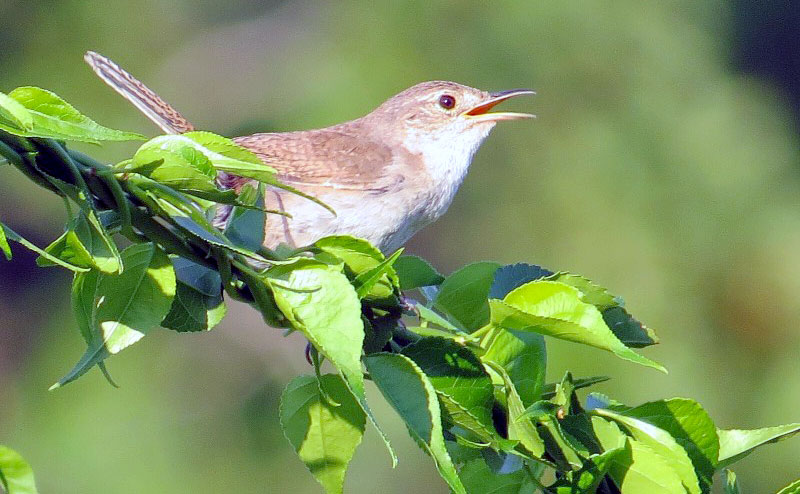
There’s no better way to add color and sound to your yard, and day, than attracting songbirds. Their whistling, cooing, tweeting, hooting, and chirping are bound to brighten anyone’s day. Luckily, it’s relatively simple to draw in these beautiful songbirds to your yard. There are plants that you can plant that may attract birds to your yard, providing you with a yard full of life and sounds. Adding plants that attract songbirds to your yard will not only be a treat to your ears, but their natural beauty will be a visual treat as well.
Your yard should be your sanctuary. Bring sounds to your yard by adding plants that attract songbirds by checking out the list below.
Plants that Attract Songbirds
Trees
Bayberry
Cedar (Juniper)
Cherry
Crab Apple
Dogwood
Eastern Hemlock
Evergreen
Hackberry
Hawthorn
Holly
Japanese Maple
Mimosa
Plumb
Red Mulberry
Red Twig Dogwood
Serviceberry
Sumac
Vines and Shrubs
Beautyberry
Blackberry
Bunchberry
Boxwood
Crossvine
Elderberry
English Ivy
Evergreen Smilax
Fuchsia
Grape
Hibiscus
Holly
Honeysuckle
Juniper
Multiflora Roses
Myrtle
Oregon Grape
Peruvian Lily
Pigeonberry
Raspberry
Red Flowering Currant
Silverberry
Spicebush
Staghorn Sumac
Trumpet Vine
Viburnum
Virginia Creeper
Weigela
Witch Hazel
Yew
Flowers
Aster
Bachelor’s Button
Beard Tongue
Black-Eyed Susan
Butterfly Gaura
California Poppy
Chilean Mitre
Chrysanthemum
Cockscomb
Columbine
Coreopsis
Cornflower
Cosmos
Crocosmia
Daisy
Fairy Fan
Floss Flower
Goldenrod
Lavender
Lyreleaf Sage
Marigold
Poppies
Purple Coneflower
Sunflowers
Zinnias
For best results, plant flowers, trees, and shrubs to draw in birds. Having a healthy balance will make your yard appear more attractive to birds. Also, not all of the plants on this list may work for your region and climate. Double-check with your local gardening/farming resource and do some research ahead of time before you plant anything on the above list. For best results, it is not a good idea to grow a variety that is meant to grow outside of your region. Otherwise, you may be setting yourself up for failure and can waste time and money.
Frequently Asked Questions
Songbirds are attracted to a variety of plants including trees, vines, shrubs, and flowers. Some popular trees include Bayberry, Dogwood, and Holly; vines and shrubs like Honeysuckle, Blackberry, and Viburnum are also effective; and flowers such as Aster, Black-Eyed Susan, and Sunflowers help draw birds in as well.
Including a mix of trees, shrubs, and flowers creates a balanced habitat that provides food, shelter, and nesting sites for songbirds. This diversity makes your yard more attractive and welcoming to a variety of bird species, enhancing both visual appeal and bird activity.
No, not all plants suited to attract songbirds will thrive in every region or climate. It's important to check with local gardening resources or extension services to choose plants that are appropriate for your specific area to avoid wasted effort and resources.
The songs of birds add an enjoyable auditory dimension to your yard, creating a lively and serene atmosphere. Their presence also helps with pest control by feeding on insects, contributing to a healthier garden ecosystem.
Yes, planting non-native species can lead to poor growth or failure because the plants might not be adapted to local conditions. This can result in wasted time and money, and sometimes non-native plants can disrupt local ecosystems, so it's best to select native or well-adapted plants.
Before planting, research your local climate and region-specific plants that attract songbirds. Consulting local gardening experts or farming resources ensures you choose the most suitable species for a successful and bird-friendly yard.
While the page lists many flowers that attract songbirds generally, certain flowers may be more attractive to specific bird species depending on flower structure and nectar availability. Including a variety of flowers can encourage a wider diversity of songbirds in your yard.





