
While Museums and Art Galleries are mostly a visual experience, there is still a lot of information provided audibly. Art films, Documentaries, Guided Tours, and Multimedia exhibits that can create discomfort and exclusions for those with hearing loss. Fortunately, accessibility is becoming less and less of an issue. The British Museum Association advises museums and galleries to explore practical means in which to lessen or eliminate barriers to communication.
So if you’re in the neighborhood here is a list of some of the best museums and galleries that provide assistance to the hearing impaired.
American Museum of Natural History
American Natural History Museum provides transcripts for every show as well as supplying Rear Window Captioning (for most films), Closed-captioning glasses (for the planetarium), assistive listening devices, and sign language tours.
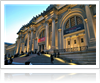
The Metropolitan Museum of Art
The MoMA has transcripts for all their audio programs, Sound amplification, induction loops, and a bi-monthly program for the deaf called “Interpreting MoMA.”
The National Gallery of Art (D.C.)
For visitors who are hearing impaired or deaf, the National Gallery can find transcripts and closed captioning for every film they show. Portable assistive listening device are available from the information desks. Best of all, the Gallery has video tours and scheduled tours in American Sign Language.
Smithsonian American Art Museum
The Smithsonian has induction loops for the Nan Tucker McEvoy Auditorium and offers bi-monthly tours and videos in American Sign Language through a program called Art Signs.
Penn Museum
While the Pennsylvania Museum of Archaeology and Anthropology doesn’t advertise sound assistance, they do have comedian and actor CJ Jones, who gives a guided tour in American Sign Language on museum i-pods.
The Museum of Deaf History
While the list of museums and galleries above give assistance to those with hearing loss, the William J. Marra Museum of Deaf History at the Museum of Deaf History, Arts & Culture celebrates the lives and contributions of the Deaf in America.
Frequently Asked Questions
Many museums provide a range of assistive services such as transcripts for shows, closed captioning, assistive listening devices, induction loops, sign language tours, and captioning glasses. These services aim to make exhibitions and films more accessible to visitors who are deaf or hard of hearing.
The American Museum of Natural History offers Rear Window Captioning for most films and provides closed-captioning glasses specifically for the planetarium, in addition to transcripts and assistive listening devices.
Yes, several museums such as The National Gallery of Art and the Smithsonian American Art Museum offer scheduled video tours and tours in American Sign Language. The National Gallery provides ASL tours and the Smithsonian offers bi-monthly ASL tours through their Art Signs program.
The Metropolitan Museum of Art provides transcripts for all audio programs, sound amplification, induction loops, and hosts a bi-monthly program for the deaf called “Interpreting MoMA” designed to enhance accessibility for hearing-impaired visitors.
While the Penn Museum does not widely advertise sound assistance, it features guided tours in American Sign Language given by comedian and actor CJ Jones using museum i-pods, which offers a unique way for hearing-impaired visitors to experience the museum.
The Museum of Deaf History, Arts & Culture, specifically the William J. Marra Museum of Deaf History, celebrates the lives and contributions of Deaf individuals in America, highlighting their history, culture, and achievements rather than just providing accessibility features.