
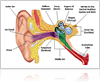
Considered to be the most complex part of the ear, the cochlea helps us distinguish the sounds around us. While the cochlea is small, it plays a vital role in our ability to hear and perceive the world around us. Located in the inner ear, the cochlea receives sound waves and transforms them into nerve impulses. The nerve impulses get sent to the brain, where they are then translated into sound.
It’s no surprise that the cochlea is the most complex part of the ear. To better appreciate this amazing organ, check out our list of cochlear facts.
1. The cochlea is located in the inner ear.
2. The toughest bone in the human body is the petrosal bone, and it protects the inner ear and the cochlea.
3. The cochlea is a Greek name that means snail. Which is very fitting, considering the cochlea looks just like a snail shell!
4. Approximately 24,000 hair fibers can be found within the cochlea. These hair cells are necessary for hearing.
5. The cochlea would be about 31.5mm long if it were to be “unrolled.”
6. The cochlea is the first organ to develop completely and is formed 4 ½ months into a pregnancy.
7. Hearing impairment will occur if any of the hair cells in the cochlea become damaged.
8. Different sounds will move the hair cells different ways. The brain uses this to distinguish one sound from another.
9. The cochlea is tiny and pea-sized, but yet packs a powerful punch!
10. The cochlea is sensitive and does not have the ability to heal itself. Loud noises, toxins, trauma, drugs, disease, and the aging process is often the cause of cochlear damage.
11. Within the cochlea is everything we need to turn sound waves into perceivable sounds.
12. The cochlea is filled with fluid, and it is this fluid that moves sensory hairs and translates the vibrations into nerve impulses.
13. Cochlear implants can directly stimulate the auditory nerve. By using cochlear implants, damaged hair cells can be bypassed.
Frequently Asked Questions
The cochlea is located in the inner ear, protected by the petrosal bone, which is the toughest bone in the human body. Its position is crucial for receiving sound waves and transforming them into nerve impulses.
The cochlea is considered the most complex part of the ear because it contains around 24,000 hair fibers essential for hearing. These hair cells translate sound vibrations into nerve impulses, enabling the brain to distinguish different sounds. Its intricate structure and vital function make it uniquely complex.
Inside the cochlea, fluid moves in response to sound vibrations, which then stimulates tiny hair cells. These hair cells convert mechanical movements into nerve impulses that are sent to the brain, where they are interpreted as sound.
Damage to the cochlea can be caused by loud noises, toxins, trauma, certain drugs, diseases, and the natural aging process. Since the cochlea is sensitive and cannot heal itself, damage to the hair cells leads to hearing impairment.
The hair cells inside the cochlea are critical for hearing because they convert sound vibrations into nerve impulses. Different sounds move these hair cells in various ways, allowing the brain to distinguish one sound from another. Damage to these cells results in hearing loss.
No, the cochlea does not have the ability to heal itself. Damage to its hair cells from noise, toxins, or other factors is permanent, which is why protecting hearing is important. Cochlear implants can help by bypassing damaged cells to stimulate the auditory nerve.
Cochlear implants provide a way to bypass damaged hair cells in the cochlea by directly stimulating the auditory nerve. This technology helps individuals with severe hearing loss regain the ability to perceive sounds by converting them into electrical signals.