
Nowadays, it seems like the internet is full of good deals. Money is becoming tighter, so it’s no surprise that many people are looking on the internet to find a great deal, trying to find any way to save some money. However, things are not always what they seem, especially on the internet. So you may want to think twice before buying a pair of hearing aids online.
When it comes to your ears, your mind shouldn’t be just on saving a buck. While you may find a good deal on a pair of hearing aids online, make sure you read this information first to see if it doesn’t change your mind. Learn more about why you should never buy hearing aids online.
- You May Not Need One
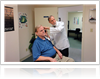
A comprehensive exam performed by an audiologist is necessary before you receive a hearing aid. An audiologist can help determine the reason(s) why you have difficulty hearing, and if you would benefit from using hearing aids. You do not want to wear a hearing aid if you do not need one, especially if you find out that there is a different treatment option required for your ailment.
- Be Wary of Online Hearing Screenings
While there may be a hint of truth to an online hearing screening, do not be fooled by these tests. Having a test done in person, by an audiologist, is required. You don’t want to rely on a computer application that runs off of algorithms to give you advice or a diagnosis. Instead, make an appointment to have an in-depth evaluation by a licensed professional, in person.
- There are Many to Choose From
If hearing aids are required, your doctor will help you select the correct device for your unique needs. There are different hearing aids available for various needs, so you should have the assistance of a trained audiologist when it comes time to select a hearing aid. You also want your hearing aid to be fitted by your doctor, so you can ensure that they fit properly.
- It Doesn’t Work Out of the Box
Hearing aids are programmed to meet your unique needs, so it will not function as expected right out of the box. Your hearing aid will need to be programmed by an audiologist, and they will also help you retrain your brain to “listen” correctly with the hearing aid. If you attempt this yourself, you probably will not be satisfied with the results and will not get the assistance that you need.
- Follow-Up Care is Needed
Your audiologist will work with you every step of the way to help you get comfortable and used to hearing sounds again with your hearing aid. By seeing a doctor regularly, they can monitor your progress with your hearing aids, and make any adjustments needed along your path to better hearing.
Frequently Asked Questions
Buying hearing aids online can be risky because you may not receive a proper diagnosis or fitting. Without an in-person evaluation from a licensed audiologist, you might end up with an unsuitable device that doesn't address your specific hearing needs, leading to ineffective results and wasted money.
Not necessarily. A comprehensive exam by an audiologist is essential to determine the cause of your hearing difficulties. Sometimes hearing aids are not the appropriate solution and other treatments might be more beneficial for your condition.
No, online hearing screenings are not a substitute for professional evaluations. They may provide a rough idea but lack the accuracy of an in-person exam conducted by a licensed audiologist who can properly diagnose and recommend treatment.
An audiologist helps you choose the right hearing aid based on your unique hearing needs. They consider the range of devices available and ensure the aid is fitted properly, which is crucial for comfort and effectiveness.
Hearing aids require programming to fit your specific hearing profile, which is done by an audiologist. Additionally, you need guidance to retrain your brain to process sounds correctly with the new device, which cannot be achieved by simply using the aid right away.
Yes, follow-up care with an audiologist is vital to adjust the hearing aids and monitor your progress. Regular visits ensure the devices remain comfortable and effective, helping you adapt to improved hearing over time.