
Ear infections are commonly associated with children, but adults can develop them too. An ear infection may cause pain, pressure, drainage, temporary hearing changes, or discomfort that interferes with sleep and daily activities. Some infections develop after a cold or respiratory illness, while others affect the skin lining the ear canal. Understanding the differences can help you recognize when symptoms require medical attention and why the right diagnosis matters.
Although some ear infections improve without extensive treatment, persistent or recurring infections deserve attention. In certain cases, inflammation or fluid can interfere with hearing, and repeated middle-ear problems may damage delicate ear structures. Recognizing symptoms early and receiving appropriate care can help reduce discomfort, address the underlying cause, and protect long-term ear health.
What Types of Ear Infections Affect Adults?
Ear infections are not all the same. One common type is acute otitis media, an infection involving the middle ear, which lies behind the eardrum. It can develop when a cold or respiratory infection causes inflammation and interferes with normal drainage through the Eustachian tube. Fluid may accumulate behind the eardrum, creating pressure and an environment in which viruses or bacteria can contribute to infection.
Another condition is otitis externa, commonly called swimmer’s ear. This affects the skin of the outer ear canal and may develop when moisture, irritation, or minor skin injury allows bacteria to grow. Symptoms often include itching, pain when touching the outer ear, redness, and sometimes drainage. Because the causes and affected structures differ, an examination is necessary to determine which type of ear problem is present and which treatment is most appropriate.
What Causes Ear Infections in Adults?
Middle-ear infections frequently occur after an upper respiratory infection. Swelling around the Eustachian tube can interfere with ventilation and fluid drainage, allowing fluid to build up behind the eardrum. Allergies and other conditions that cause nasal inflammation may contribute to Eustachian tube dysfunction, although not every episode of congestion leads to an infection.
Outer-ear infections have different risk factors. Swimming, prolonged moisture in the ear canal, scratching, and inserting cotton swabs or other objects can irritate the protective skin and increase susceptibility to infection. People with certain chronic medical conditions may also have a higher risk of complications. Understanding the likely cause helps a clinician determine whether treatment should focus on the ear canal, the middle ear, or an underlying problem affecting normal ear function.
What Are the Symptoms of an Ear Infection?
Ear pain is one of the most recognizable symptoms, but adults may experience several other changes. These include a feeling of fullness, muffled hearing, drainage, tenderness, or discomfort that worsens when lying down. Fever may occur with some infections, although its absence does not rule out an ear problem.
The pattern of symptoms can provide useful clues. Pain when touching or pulling the outer ear may suggest an outer-ear infection, while pressure and reduced hearing after a cold may point toward middle-ear fluid or infection. However, symptoms overlap, and ear pain can also originate from nearby areas, including the jaw or throat. An examination is the most reliable way to identify the cause rather than relying on symptoms alone.
How Are Ear Infections Diagnosed?
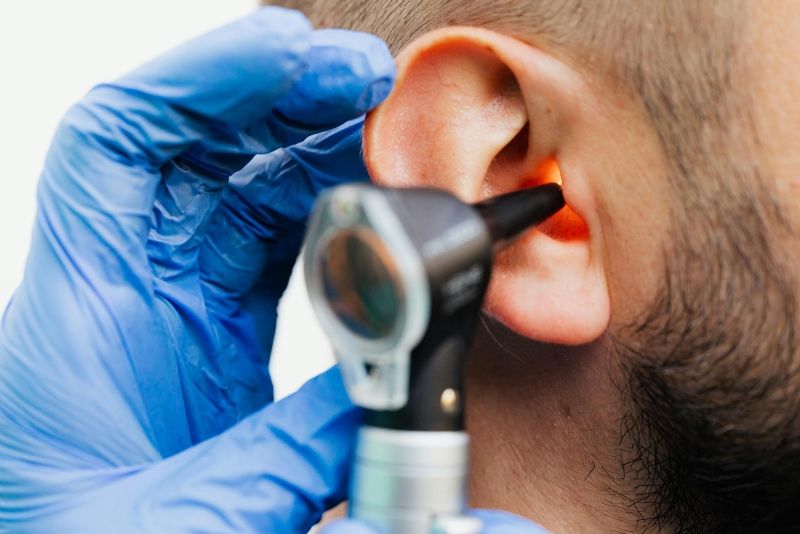
A clinician usually begins by asking when symptoms started, whether they followed a cold or swimming, and whether hearing has changed. The ear canal and eardrum are then examined using an instrument that allows the physician to look for redness, swelling, drainage, fluid, or signs of a perforated eardrum.
If hearing loss or persistent middle-ear fluid is suspected, additional tests may be useful. Audiometry measures hearing ability, while tympanometry assesses eardrum movement and pressure in the middle ear. These tests can help distinguish an infection from other conditions that produce similar symptoms. Accurate diagnosis is particularly important when symptoms keep returning, hearing remains reduced, or the findings suggest a problem that may require specialist care.
What Treatments Are Available for Adult Ear Infections?
Treatment depends on the location and cause of the infection. Some middle-ear infections improve with observation and symptom management, while others may require antibiotics based on the clinical findings and the patient’s circumstances. Antibiotics are not effective against viral infections, so they should be used when medically indicated rather than automatically for every episode of ear pain.
Outer-ear infections are often treated with prescription ear drops, and more severe cases may require additional measures. Patients should avoid placing unprescribed drops, oils, or home remedies into the ear, especially if a perforated eardrum or previous ear surgery is possible. A clinician can recommend appropriate pain relief and explain how to keep the ear safe while it heals. Persistent or complicated infections may require evaluation by an otologist.
Can Ear Infections Cause Hearing Loss?
Temporary hearing reduction can occur when fluid, swelling, or debris interferes with the normal transmission of sound. In many cases, hearing improves as the infection resolves and the fluid clears. However, hearing changes that persist beyond the expected recovery period should be evaluated rather than assumed to be a normal part of healing.
Repeated or chronic middle-ear infections can sometimes damage the eardrum or the tiny bones responsible for transmitting sound. Some patients may develop a persistent perforation or another structural problem that affects hearing. An ear specialist can determine whether the infection has resolved fully and whether additional treatment or hearing testing is needed. Sudden or substantial hearing loss should be assessed urgently.
When Should You See an Ear Specialist?
Medical evaluation is important when ear pain is severe, symptoms worsen, drainage develops, or hearing becomes noticeably reduced. You should also seek care if symptoms persist, infections recur, or the ear does not feel normal after an initial treatment course. Adults with diabetes, weakened immune systems, or a history of ear surgery may need earlier assessment because certain infections can lead to more serious complications.
Seek urgent medical attention for sudden hearing loss, severe dizziness, swelling or redness behind the ear, facial weakness, or other significant new symptoms. These findings may indicate a complication or a condition that needs prompt treatment. Avoid trying to clean deep inside the ear canal or using leftover prescription medication without medical guidance, as these approaches can worsen some ear conditions.
Protecting Your Ears After an Infection
Once an infection has improved, follow your clinician’s instructions about medication, water exposure, and follow-up visits. If you have an outer-ear infection, keeping the ear canal dry during recovery may be recommended. If a middle-ear infection leaves fluid behind the eardrum, your clinician may suggest monitoring or additional testing to confirm that normal function returns.
Recurring infections should prompt a discussion about possible contributing factors, such as Eustachian tube dysfunction, chronic inflammation, or structural problems. Addressing these issues may reduce future episodes and help protect hearing. Persistent symptoms should not be managed indefinitely at home without determining their cause.
Take Persistent Ear Symptoms Seriously
Ear infections in adults are common, but ongoing pain, drainage, or hearing changes should not be ignored. The right treatment depends on whether the problem affects the outer ear, middle ear, or surrounding structures, and an accurate diagnosis can help prevent unnecessary medication or delays in care.
If you develop an ear infection that does not improve, experience repeated episodes, or notice changes in hearing, consider an evaluation with an ear specialist. Dr. Neil Sperling treats ear and hearing disorders and can help determine whether further testing, medical treatment, or a specialized intervention is appropriate for your condition.
Frequently Asked Questions
Sudden hearing loss is a rapid reduction in hearing that develops over a short period, often affecting one ear. A common type is sudden sensorineural hearing loss, which involves problems in the inner ear or auditory nerve pathways and may occur without an obvious cause.
Warning signs include a feeling of a blocked ear, muffled or quieter sounds, difficulty hearing phone conversations on one side, and sounds seeming distant. Some people may also experience ear fullness, dizziness, or trouble locating sounds. These symptoms can develop immediately or over several hours and should be treated as urgent.
Sudden hearing loss can be caused by issues affecting the inner ear or auditory nerve, such as viral infections, blood supply changes, inflammation, or immune conditions. Conductive causes like earwax blockage, fluid, infection, or eardrum problems can also lead to sudden hearing difficulties. Sometimes, the exact cause remains unknown.
Diagnosis starts with reviewing symptoms and medical history, followed by an ear examination to check for visible issues like wax blockage. A hearing test called an audiogram determines the type and degree of hearing loss. Additional tests may be needed to identify the underlying cause and guide treatment.
Treatment depends on the cause. Sudden sensorineural hearing loss is often treated with corticosteroids, either orally or via injection. Conductive hearing loss caused by earwax, fluid, or infection is treated by addressing the underlying issue. Early treatment improves chances of recovery, and some patients may need hearing rehabilitation if hearing does not fully return.
Prompt evaluation is critical because some causes of sudden hearing loss are time-sensitive and respond better to early treatment. Delaying assessment can reduce the effectiveness of therapies, especially for sudden sensorineural hearing loss. Immediate care is also necessary if hearing loss occurs with neurological symptoms like facial weakness or severe imbalance.
While some minor ear issues might improve without intervention, sudden hearing loss should never be ignored or assumed to resolve spontaneously. Prompt medical assessment is essential to identify treatable causes and initiate appropriate therapy to maximize the chance of hearing recovery.
If you notice a sudden change in hearing, seek urgent medical evaluation the same day. Contact an ear specialist or visit an emergency facility if symptoms include facial weakness, difficulty speaking, or severe imbalance. Early action helps identify the cause and start treatment promptly.
Protecting your hearing starts with early diagnosis and treatment. Follow your healthcare provider's recommendations, attend follow-up hearing tests, and consider hearing rehabilitation or technology if needed. Early intervention helps preserve hearing and prevents unnecessary delays in care.


