
Otosclerosis is a common cause of hearing loss in adults, yet many people have never heard of it until they receive a diagnosis. The condition affects the tiny bones of the middle ear and can interfere with the normal transmission of sound, leading to progressive hearing difficulties over time.
Fortunately, advances in diagnosis and treatment have made it possible for many patients to achieve significant hearing improvement.
What Is Otosclerosis?
Inside the middle ear are three tiny bones known as the ossicles. These structures transmit sound vibrations from the eardrum to the inner ear. Otosclerosis occurs when abnormal bone remodeling develops around the stapes, the smallest bone in the body.
As the stapes becomes less mobile, sound transmission is reduced, resulting in conductive hearing loss. In some cases, the inner ear may also become involved, leading to a mixed hearing loss.
Common Symptoms
The symptoms of otosclerosis often develop gradually and may include:
- Progressive hearing loss
- Difficulty hearing low-pitched sounds
- Trouble following conversations in groups
- A sensation that others are speaking softly
- Better hearing in noisy environments than in quiet settings
Because symptoms usually worsen slowly, many individuals adapt without realizing how much hearing they have lost.
Who Is Most Likely to Develop Otosclerosis?
Otosclerosis frequently appears in early to middle adulthood and often runs in families. Women may notice worsening symptoms during periods of hormonal change, although the condition can affect both men and women.
A family history of hearing loss may increase the likelihood of developing the condition.
How Is It Diagnosed?
A thorough evaluation typically includes:
Hearing Testing
Audiometric testing measures the type and degree of hearing loss and helps identify patterns consistent with otosclerosis.
Physical Examination
An ear examination helps rule out other causes of conductive hearing loss, such as earwax, infections, or eardrum abnormalities.
Additional Testing
In some cases, imaging studies may be recommended to confirm the diagnosis or assist with treatment planning.
Treatment Options
The most appropriate treatment depends on the severity of hearing loss and the patient’s goals.
Hearing Aids
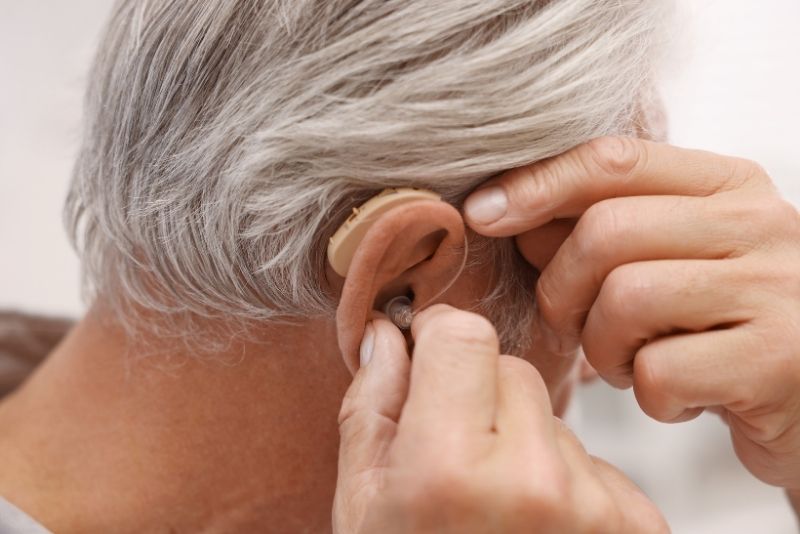
Many individuals achieve excellent results with modern hearing aids that amplify sound and improve communication.
Surgical Treatment
A procedure known as stapedectomy or stapedotomy can restore sound transmission by replacing or bypassing the affected stapes bone. For appropriately selected patients, surgery often results in substantial hearing improvement.
Ongoing Monitoring
Some patients with mild symptoms may benefit from regular hearing evaluations to monitor changes over time.
When to See an Ear Specialist
Any gradual hearing loss deserves professional attention, especially when it begins interfering with daily communication. Early diagnosis can help determine whether otosclerosis or another treatable condition is responsible.
An evaluation by an otologist can provide clarity regarding the cause of hearing loss and identify the treatment options most likely to improve hearing and quality of life.
Looking Ahead
Otosclerosis is a highly manageable condition. With modern diagnostic tools, hearing technologies, and surgical techniques, many patients are able to regain confidence in their hearing and return to activities they enjoy.
Frequently Asked Questions
Spring brings environmental changes such as increased allergens, shifts in air pressure, and more exposure to noisy outdoor settings, all of which can affect ear health. Scheduling a hearing check during this time helps detect any hearing issues early and allows you to address them proactively.
Signs that you might need a hearing evaluation include difficulty following conversations, frequently asking others to repeat themselves, increasing the volume on devices, and experiencing a feeling of fullness or pressure in your ears. These symptoms suggest that your hearing might be changing and warrant professional assessment.
A comprehensive hearing evaluation involves reviewing your medical and hearing history, performing a physical examination of your ears, and conducting hearing tests to assess your ability to detect sounds and understand speech. This thorough process helps identify any hearing changes early and guides appropriate treatment.
Early detection of hearing problems can significantly improve your communication abilities and confidence, prevent further hearing deterioration, and expand your treatment options. Acting promptly helps maintain your quality of life and reduces the impact of hearing loss.
Hearing health is crucial because it directly affects communication and relationships. Even mild hearing changes can reduce your ability to interact effectively, which can impact social connections and overall well-being. Maintaining good ear health supports an active and engaged lifestyle.
Just like annual physical exams or dental checkups, hearing evaluations should be part of your regular health care routine. Many experts recommend scheduling a hearing check annually or as recommended by your healthcare provider, especially if you notice any changes in your hearing.