
Why Early Hearing Evaluation Matters
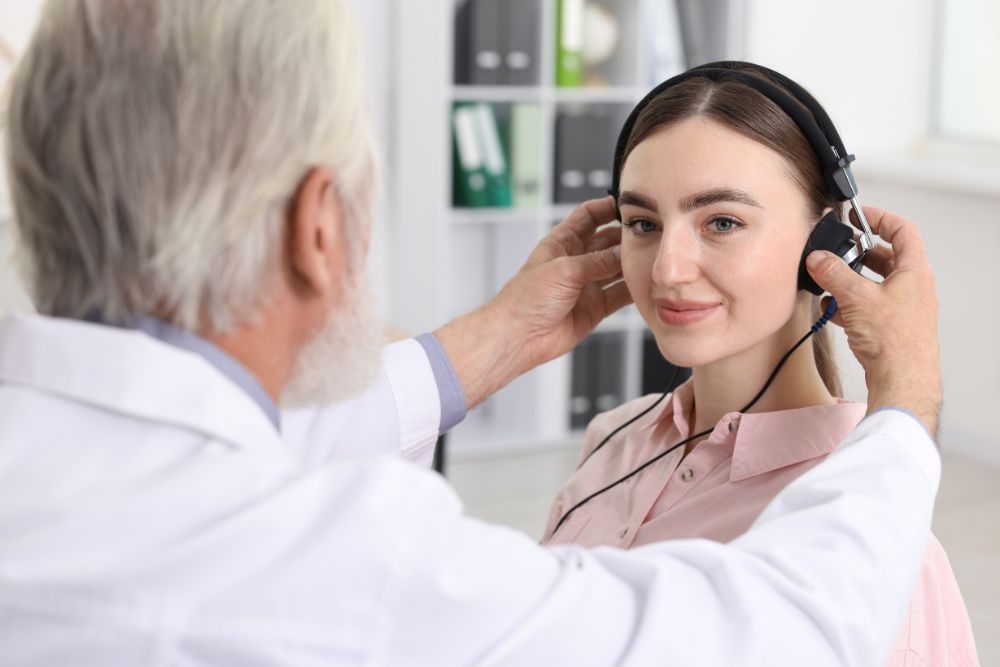
Hearing loss can occur gradually, and many adults do not recognize changes until they start affecting daily life. Early hearing evaluation is essential for detecting subtle shifts in auditory function that may otherwise go unnoticed. Routine evaluations provide a baseline for hearing health, helping specialists identify changes before they become significant.
What to Expect During an Evaluation
The process typically involves a thorough medical history, a physical examination, and hearing tests that measure both sound perception and speech understanding. Results allow specialists to recommend interventions tailored to individual needs, ranging from lifestyle adjustments to hearing aids or, in some cases, surgical options.
Benefits of Early Detection
Addressing hearing loss early can enhance communication, social engagement, and overall well-being. Patients who undergo timely evaluation often report better outcomes in professional and personal settings, avoiding frustration and isolation caused by untreated hearing challenges.
Reasons to Consider an Early Evaluation
- Maintaining optimal communication with family, friends, and colleagues
- Identifying conditions that may worsen over time
- Accessing effective solutions before hearing loss becomes severe
Prioritizing hearing health today helps safeguard your ability to engage fully with life tomorrow.
Frequently Asked Questions
Hearing loss can result from various factors including exposure to loud noise, untreated ear infections, prolonged use of high-volume headphones, and natural aging-related changes. These factors can damage the delicate structures of the ear over time.
To protect your hearing, avoid extended exposure to loud environments whenever possible. When you are in noisy settings, use ear protection such as earplugs or noise-canceling earmuffs to minimize potential damage to your ears.
The 60/60 rule advises listening to audio at no more than 60% of maximum volume for no longer than 60 minutes at a time. This helps prevent hearing damage from prolonged exposure to high sound levels via headphones.
Untreated ear infections can worsen and lead to complications that negatively impact hearing. Early treatment helps prevent permanent damage and preserves ear health.
Regular hearing evaluations are recommended to detect any changes in hearing early. Early identification allows for timely intervention and helps prevent further hearing loss.
Yes, many cases of hearing loss can be minimized or avoided through lifestyle changes such as limiting noise exposure, following safe listening practices, addressing ear infections promptly, and maintaining regular hearing checkups.





