
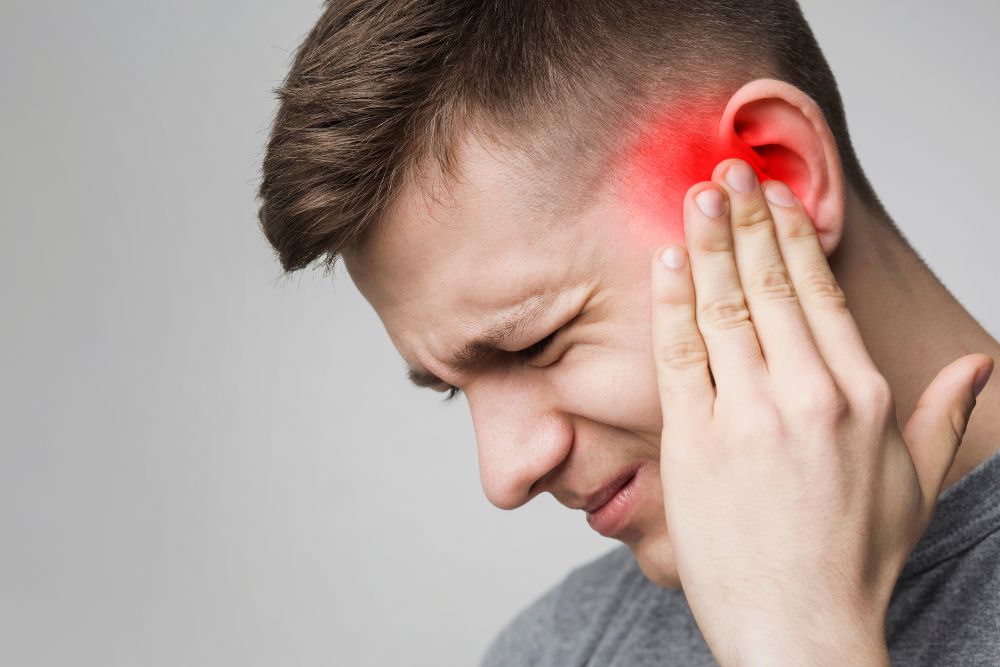

Understanding Ear Infections
Ear infections are a common concern for both children and adults, but their impact extends beyond temporary discomfort. Untreated or recurrent infections can affect the middle or inner ear, potentially leading to long-term hearing challenges. Early attention to symptoms such as ear pain, fluid buildup, or pressure can prevent lasting damage.
Treatment and Surgical Options
While many infections resolve with conservative care, some cases require surgical intervention to restore proper ear function and prevent hearing loss. Conditions such as chronic otitis media may necessitate procedures to drain fluid or repair damaged structures, allowing sound to travel effectively through the ear.
Preventative Measures
Preventative strategies, including proper management of allergies and avoiding prolonged exposure to water in the ear, can reduce the frequency of infections. Timely treatment is key to maintaining optimal hearing and preventing complications that may affect balance or overall ear health.
Signs of Potential Hearing Impact
- Persistent ear fullness or pressure
- Difficulty hearing clearly after an infection
- Recurrent infections that disrupt normal hearing
Regular evaluations with an ear specialist ensure any changes in hearing are addressed promptly, preserving your quality of life.
Frequently Asked Questions
Hearing loss can result from various factors including exposure to loud noise, untreated ear infections, prolonged use of high-volume headphones, and natural aging-related changes. These factors can damage the delicate structures of the ear over time.
To protect your hearing, avoid extended exposure to loud environments whenever possible. When you are in noisy settings, use ear protection such as earplugs or noise-canceling earmuffs to minimize potential damage to your ears.
The 60/60 rule advises listening to audio at no more than 60% of maximum volume for no longer than 60 minutes at a time. This helps prevent hearing damage from prolonged exposure to high sound levels via headphones.
Untreated ear infections can worsen and lead to complications that negatively impact hearing. Early treatment helps prevent permanent damage and preserves ear health.
Regular hearing evaluations are recommended to detect any changes in hearing early. Early identification allows for timely intervention and helps prevent further hearing loss.
Yes, many cases of hearing loss can be minimized or avoided through lifestyle changes such as limiting noise exposure, following safe listening practices, addressing ear infections promptly, and maintaining regular hearing checkups.





