
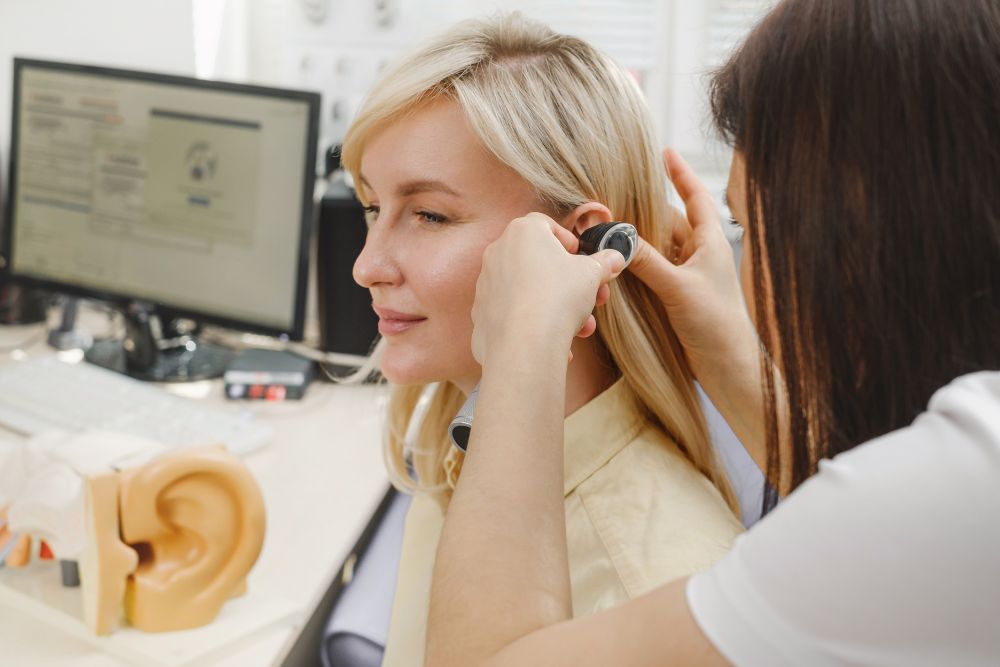

For patients with significant hearing loss, surgery can offer life-changing results. Advances in otology have made hearing restoration more effective and accessible than ever.
Who Is a Candidate for Hearing Surgery?
Patients who may benefit from surgery include those with:
- Conductive hearing loss
- Damage to the middle ear structures
- Conditions such as otosclerosis or chronic ear disease
Common Surgical Procedures
Stapedotomy / Stapedectomy
This procedure treats otosclerosis by replacing the immobilized stapes bone with a prosthetic device.
Tympanoplasty
Used to repair a perforated eardrum, improving hearing and protecting the middle ear.
Ossicular Chain Reconstruction
Rebuilds the small bones in the middle ear to restore sound conduction.
Cochlear Implants
These devices bypass damaged inner ear structures and directly stimulate the auditory nerve.
Benefits of Hearing Restoration Surgery
- Improved clarity of sound
- Enhanced communication
- Greater independence in daily life
Personalized Treatment Matters
Every patient’s condition is unique. A specialist evaluates the underlying cause of hearing loss to recommend the most effective surgical or non-surgical approach.
Frequently Asked Questions
Candidates for hearing surgery typically include patients with conductive hearing loss, damage to the middle ear structures, or conditions such as otosclerosis and chronic ear disease. A specialist evaluates each patient's unique situation to determine if surgery is the best option.
A stapedotomy or stapedectomy is a surgical procedure that treats otosclerosis by replacing the immobilized stapes bone with a prosthetic device. This restores the movement of the bone and improves hearing in patients with this specific condition.
Tympanoplasty is a surgical procedure used to repair a perforated eardrum, which helps improve hearing and protects the middle ear from infections and damage. It can restore the eardrum’s integrity and enhance sound conduction.
Ossicular chain reconstruction rebuilds the small bones in the middle ear responsible for conducting sound. By reconstructing these bones, the surgery restores sound transmission and improves hearing clarity in patients with damaged ossicles.
Cochlear implants are devices that bypass damaged inner ear structures and directly stimulate the auditory nerve, allowing sound signals to be sent to the brain. They are particularly beneficial for patients with severe inner ear damage who do not benefit from traditional hearing aids.
Hearing restoration surgery can lead to improved clarity of sound, enhanced communication abilities, and greater independence in daily life. These benefits significantly improve a patient’s quality of life.
Personalized treatment is crucial because every patient's hearing loss has unique causes and conditions. Specialists evaluate the individual case to recommend the most effective surgical or non-surgical approach, ensuring better outcomes.





