
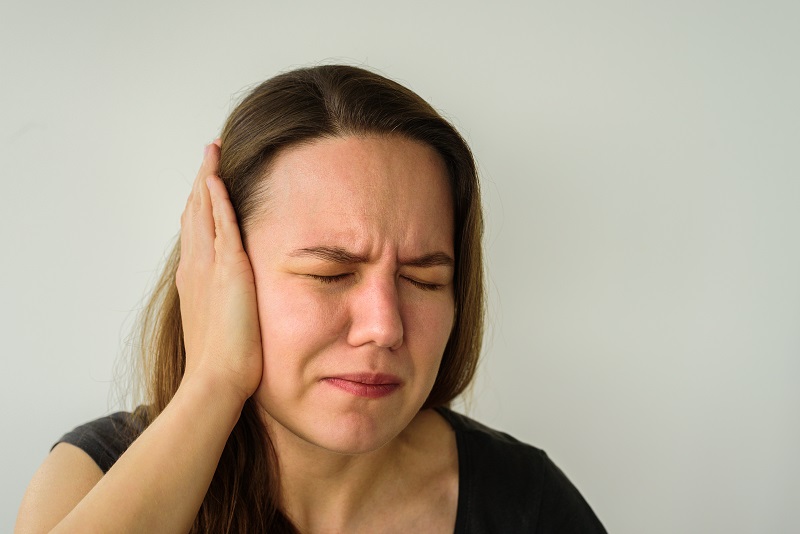
 A swollen ear canal, often called otitis externa, also known as swimmer’s ear, is an inflammation of the passage between the outer ear and eardrum. Caused by infections, allergies, or irritation, it can trap moisture and debris, worsening the condition. Proper treatment is key to relief and recovery.
Causes of a Swollen Ear Canal
Several factors can lead to a swollen ear canal, each one requiring specific care:
Infections: Bacteria or fungi thrive in moist environments, often causing swimmer’s ear.
Moisture: Swimming, showering, or humid climates can soften ear canal skin, increasing infection risk.
Trauma: Using cotton swabs, scratching, or inserting objects can damage the canal and trigger swelling.
Allergies: Hair products, earrings, or hearing aids may cause irritation or contact dermatitis.
Skin Conditions: Eczema, psoriasis, or dermatitis can inflame the ear canal without infection.
Earwax Buildup: Excess wax can block the canal, causing pressure and bacterial growth.
Anatomy: Narrow canals or structural issues may trap moisture, leading to swelling.
Chronic or recurring cases may signal underlying issues, requiring professional evaluation.
Reducing Ear Canal Swelling
Keep the Ear Dry and Clean
Moisture fuels bacteria and fungi. After swimming or showering, tilt your head to drain water, then dry the outer ear with a soft towel. Avoid cotton swabs or objects inside the canal, as they can worsen irritation. Gently wash the outer ear with a cloth if needed.
Apply a Warm Compress
Wet a washcloth in warm water, wring it out, and hold it against the ear for 15 minutes. This boosts circulation, reduces swelling, and promotes healing. Repeat several times daily, ensuring the compress isn’t too hot. Alternating warm and cool compresses may enhance relief.
Use Over-the-Counter Pain Relief
Anti-inflammatory drugs like naproxen and ibuprofen reduce pain and swelling by targeting inflammation-causing chemicals. Follow dosage instructions, taking them with food to avoid stomach issues. Acetaminophen helps with pain but not inflammation. Topical gels may offer minor relief for the outer ear.
Avoid Irritation
Prevent further damage by avoiding swimming, using earplugs during showers, and removing hearing aids or earbuds until swelling subsides. Steer clear of hair products or perfumes near the ear, and avoid scratching to prevent introducing bacteria.
When to Seek Help
If symptoms persist beyond 2–3 days or worsen, see an ENT for evaluation. Swelling may relate to issues like eustachian tube dysfunction or chronic sinusitis. Advanced treatments, such as eustachian tube balloon dilation or balloon sinuplasty, can address the underlying causes for lasting relief. Most cases improve with home care, but severe or recurring swelling requires professional diagnosis to rule out complex conditions and prevent long-term damage.
Frequently Asked Questions
A swollen ear canal can be caused by bacterial or fungal infections, moisture trapped in the ear, trauma from inserting objects, allergies to hair products or earrings, underlying skin conditions like eczema, excessive earwax buildup, or anatomical factors such as narrow ear canals. Each cause may require different treatment approaches.
To reduce swelling, keep the ear dry by drying it gently after swimming or showering, avoid inserting cotton swabs or objects, apply warm compresses to improve circulation, use over-the-counter anti-inflammatory medications like ibuprofen for pain relief, and avoid irritants such as hair products or earbuds until the swelling resolves.
Inserting cotton swabs or other objects can damage the delicate skin inside the ear canal, causing trauma that worsens swelling and increases the risk of infection. It may also push earwax deeper, trapping debris and moisture that aggravates inflammation.
If swelling and symptoms persist beyond 2–3 days, worsen, or are accompanied by severe pain, hearing loss, or discharge, it’s important to consult an ENT specialist. Chronic or recurring swelling may indicate underlying issues like eustachian tube dysfunction or sinusitis that require professional evaluation and treatment.
Yes, allergies to hair products, earrings, hearing aids, or perfumes can irritate the ear canal causing inflammation and swelling, sometimes mimicking infection. Managing exposure to allergens and treating the allergic reaction can help reduce symptoms.
Moisture from swimming, showering, or humid environments softens the skin inside the ear canal, making it more vulnerable to bacterial and fungal infections that cause swimmer’s ear. Keeping the ear dry is essential to prevent and treat swelling.
Skin conditions such as eczema, psoriasis, or dermatitis can inflame the ear canal skin even without infection, resulting in redness, itching, and swelling. Proper management of these conditions can help reduce ear canal inflammation.





