
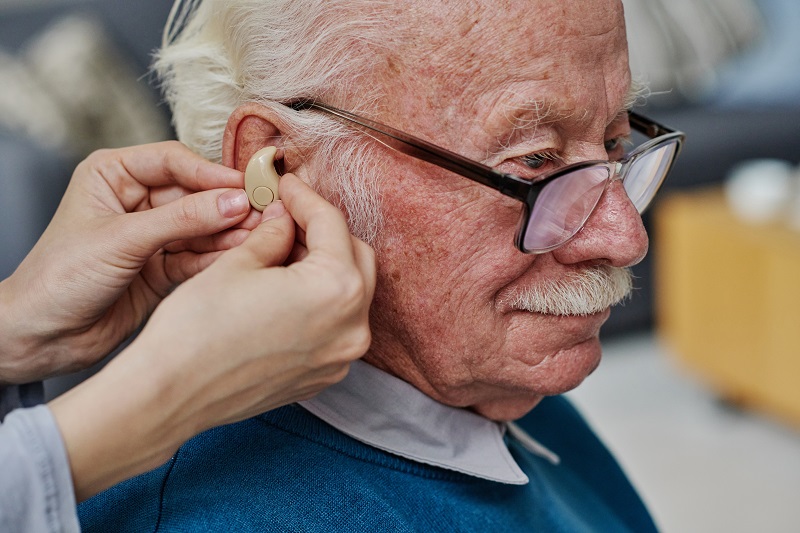
Hearing loss is a prevalent issue affecting individuals globally, with its incidence increasing with age. Approximately one-third of individuals aged 60 and older experience varying degrees of hearing impairment. Notably, research has established a significant correlation between an inflated risk of developing dementia and hearing loss. This finding emphasizes the necessity of addressing this frequently neglected concern.
A 2020 study published in The Lancet identified a significant association between hearing loss and an increased risk of cognitive decline and dementia, with a reported increase of 1.9 times, particularly concerning Alzheimer’s disease. This relationship is inherently complex. While it remains uncertain whether hearing loss directly causes dementia, the evidence suggests that it constitutes a notable risk factor. Despite the strength of this association, it is still not fully understood whether hearing loss directly contributes to the onset of dementia or if shared underlying factors link both conditions.
The Connection Between Dementia And Hearing Loss
Cognitive Load and Resource Competition
Hearing loss necessitates the brain to exert additional effort to process auditory stimuli, which diverts cognitive resources from tasks involving memory and critical thinking. This increased cognitive burden has the potential to accelerate cognitive decline over time.
Social Isolation and Depression
Hearing impairments frequently lead to diminished social engagement, which is a recognized risk factor for the development of dementia. Social isolation can result in reduced cognitive stimulation and heightened feelings of depression, both of which are associated with a risk of dementia.
Brain Atrophy and Structural Changes
Neuroimaging studies demonstrate that hearing loss is associated with accelerated atrophy in specific brain regions, notably the temporal lobes, critical to memory and auditory processing. A 2024 study conducted by Johns Hopkins University found that hearing loss contributes to an increased rate of brain shrinkage, which may, in turn, heighten the risk of developing dementia.
Shared Pathways and Common Causes
Research indicates that impaired hearing and dementia may share common underlying factors, such as vascular issues or inflammation, which can adversely affect both auditory and cognitive pathways.
Hearing Aids and Interventions
Using hearing aids to address impaired hearing has demonstrated significant potential in mitigating the risk of dementia. A 2023 study from Johns Hopkins indicated that patients with hearing issues who used hearing aids demonstrated a significant decrease in cognitive decline compared to their untreated counterparts. This finding underscores the importance of addressing hearing impairment to enhance cognitive health. Recent findings suggest that improving auditory input and social engagement through hearing aids can support brain health.
However, the Alzheimer’s Society notes that while hearing aids are associated with fewer memory and thinking problems, more research is needed to fully understand their impact on dementia risk.
Severity and Timing
The likelihood of developing dementia increases with the severity of impaired hearing. A 2024 Johns Hopkins study of adults, lasting 12 years, showed that mild hearing loss doubled dementia risk, moderate loss tripled it, and severe hearing loss made individuals five times more likely to develop dementia. Timing is also crucial, with midlife hearing loss (ages 40–65) being particularly significant, as it may be an early symptom or risk factor for dementia, according to the Alzheimer’s Society.
Ongoing Research
The connection between impaired hearing and dementia is well-documented; however, there remains ongoing debate regarding the nature of their association. Some researchers contend that hearing loss may not be a direct precursor to dementia but rather a component of a common pathological process, such as vascular damage.
Frequently Asked Questions
Hearing loss is associated with a 1.9 times higher risk of developing dementia, particularly Alzheimer's disease. The connection may involve increased cognitive load, social isolation, brain atrophy, and shared underlying health factors. While causality is not fully established, hearing impairment is recognized as a notable risk factor for cognitive decline.
Hearing loss forces the brain to exert more effort to process sounds, diverting cognitive resources from memory and thinking tasks. This increased cognitive load can accelerate decline over time. Additionally, hearing impairment often leads to social isolation and depression, both of which further contribute to cognitive deterioration and dementia risk.
Yes, studies indicate that using hearing aids can significantly lower the risk of cognitive decline among those with hearing impairment. For example, a 2023 Johns Hopkins study found that hearing aid users showed less cognitive decline compared to untreated individuals. Hearing aids improve auditory input and social engagement, supporting better brain health, though more research is needed to fully understand their impact on dementia risk.
The severity of hearing loss correlates with dementia risk—the more severe the hearing impairment, the higher the risk. Mild loss doubles, moderate loss triples, and severe loss increases dementia risk fivefold. Timing is also important; midlife hearing loss between ages 40 and 65 is particularly significant, possibly serving as an early symptom or risk factor for dementia.
Neuroimaging studies reveal that hearing loss is linked to accelerated brain atrophy, especially in the temporal lobes responsible for memory and auditory processing. This shrinkage may contribute to the heightened risk of developing dementia, as these brain structures are crucial for cognitive function.
Yes, research suggests that hearing loss and dementia may share common pathological pathways such as vascular problems or chronic inflammation. These shared factors might affect both auditory and cognitive systems, contributing to the co-occurrence of hearing impairment and dementia in individuals.
Social isolation resulting from hearing impairment reduces cognitive stimulation and can lead to depression, both of which are established risk factors for dementia. Hearing difficulties often cause people to withdraw socially, which negatively affects brain health and increases the likelihood of cognitive decline.





