
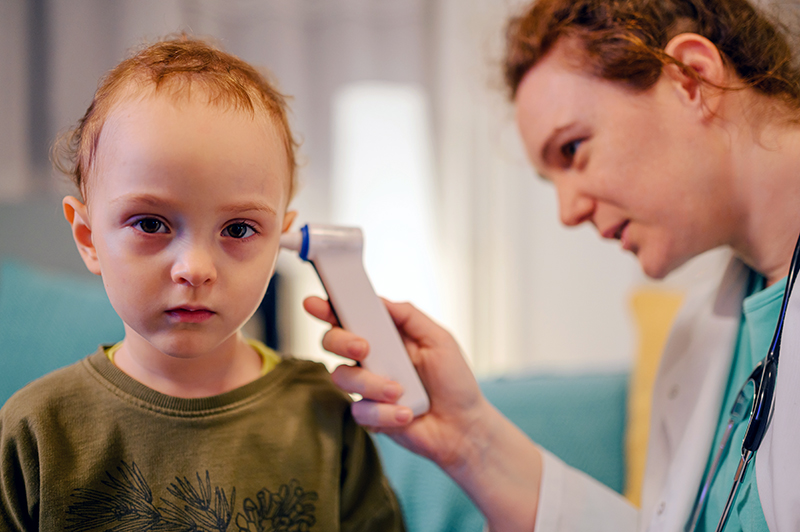
 If you have experience with young children, you may notice the prevalence of earaches. While adults also experience ear infections, children are more vulnerable due to their growing immune systems, which have not yet fully matured to deal with common viruses and bacteria effectively. Although it is not always possible to prevent every ear infection, understanding the underlying causes can help parents and caregivers take assertive measures to minimize the likelihood of ear infections.
What Causes Ear Infections in Children?
Ear infections occur within the middle ear and behind the eardrum. This space contains small, vibrating bones that function to transmit sound waves, facilitating the process of hearing. Various conditions, including the common cold, influenza, and allergies, may contribute to the onset of ear infections. These ailments often lead to congestion and inflammation in the nasal passages and throat. When fluid builds up in the middle ear and fails to drain adequately, the risk of developing an ear infection increases significantly. Ear infections have a higher incidence during the fall and winter, coinciding with increased upper-respiratory infections, such as the common cold and influenza. Children aged two years and younger are particularly vulnerable to ear infections due to the differences in their Eustachian tubes, which are smaller and have a different shape than those of older children and adults.
Recommendations
Quality of Air
Exposure to toxins like cigarette smoke and various types of air pollution can elevate the likelihood of ear infections in children.
Hygiene
It is important to wash with soap and water frequently. This can help reduce the transmission of germs and help prevent your child from getting sick. We advise you to keep contaminated objects away from your child’s mouth.
Pacifiers and Bottles
Allowing children to drink from a bottle while lying or having a pacifier can increase the risk of ear infections.
Breastfeeding
Breastfed infants for 12 months or longer will help reduce incidences of infections.
Preschools and Daycares
Children in crowded environments will likely encounter more germs, increasing the risk of infections.
When to Seek Medical Help
If you observe any of the following symptoms with your child, it is advisable to visit a medical professional immediately:
Discharge
Pus or blood is coming from your child’s ear.
Severe Pain
Your child is experiencing considerable discomfort, and pain relief products such as acetaminophen or ibuprofen have proven ineffective.
Fever
It is essential to watch out for elevated body temperatures and take appropriate action if an infant is younger than three months and exhibits a fever of 100.4°F (38°C) or higher. If your child has a temperature exceeding 104°F (40°C) at any time. Fever persists for more than 24 hours in a toddler under the age of two. A fever continues over three days in children aged two years and older.
Frequently Asked Questions
Ear infections in children commonly result from congestion and inflammation due to illnesses like the common cold, influenza, and allergies. These conditions cause fluid buildup in the middle ear, which fails to drain properly, creating an environment for infection development, especially during fall and winter. Additionally, the differences in the size and shape of young children's Eustachian tubes make them more susceptible.
Exposure to cigarette smoke and air pollution increases the likelihood of ear infections in children by irritating the respiratory system and promoting inflammation. These toxins can impair the natural defenses of the ear and respiratory tract, making children more vulnerable to infections.
Maintaining good hygiene by frequently washing hands with soap and water can reduce the transmission of germs that cause infections. Parents and caregivers should also keep contaminated objects away from children's mouths to minimize exposure to bacteria and viruses.
Feeding children from a bottle while lying down and prolonged use of pacifiers can increase the risk of ear infections. These practices may contribute to fluid retention or pressure changes in the middle ear, which can encourage bacterial growth and infection.
Breastfeeding infants for 12 months or longer helps reduce the incidence of ear infections. Breast milk contains antibodies and immune factors that strengthen the infant's immune system, protecting against common viruses and bacteria that cause ear infections.
Children in crowded environments like preschools and daycares are more likely to be exposed to germs that cause infections, including ear infections. Increased interaction with other children facilitates the spread of viruses and bacteria, elevating infection risks.
Medical attention is necessary if your child shows pus or blood discharge from the ear, severe pain not relieved by standard medications, or has a concerning fever. Specifically, infants younger than three months with a fever of 100.4°F (38°C) or higher, children with a fever over 104°F (40°C), or prolonged fevers in toddlers and older children warrant immediate consultation.