
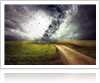
When disaster strikes, it can be scary for anyone. Now imagine being in the middle of an emergency and you can’t hear. The intensity and fear level is sure to increase as we heavily rely on our senses to help keep us safe. Disasters and emergencies can come in many forms such as a fire, a power outage, an earthquake, tornado, tsunami, as well as a hurricane. Many of us think only about the vital supplies that are typically needed during an emergency-food, water, communication, and light. However, for a person with hearing loss, special preparations need to be made to help ensure that things go as smooth as possible during a crisis.
If you are someone you know and love are hearing impaired, it is crucial that you be prepared in case of an emergency. To help you or a loved one stay safe, check out these helpful disaster preparations tips for those with hearing loss.
Get trained
In many cities, Community Emergency Response Team (CERT) programs are available to educate and prepare individuals for possible disasters. CERT instructors are required to ensure that the training classrooms are accessible for those with a hearing impairment.
Reverse 911 alerts
To receive alerts with life-saving information up to 20 minutes sooner than social media or local news sources, sign up for the reverse 911 alerts. With this, you will receive a text alert on your phone informing you to avoid specific areas during a disaster, or with instructions to evacuate.
Invest in a weather-alert radio that is hearing loss friendly
Many people are not aware that these handy devices exist, but they do. Look for an NOAA Weather Radio (NWR) that has a special output connector to work with an alerting device. An alerting device consists of strobe lights, security systems, pillow vibrators, bed shakers, and more.
Place signs to alert visitors
It’s a good idea to place decals or signs on all of the entrances to your home so you can alert potential help of your hearing impairment. Just in case an emergency happens outside the home, you should consider carrying a medic card in your wallet stating your condition or wear a Medic Alert bracelet.
Have a plan
Preparing and practicing a safety plan is the best way to help limit additional stress and ensure the best outcome possible in case of an emergency. Make sure you share this safety plan with friends and family and conduct emergency evacuation drills before disaster strikes.
Have an emergency kit on hand, always
It is crucial that you have an emergency kit setup and on hand, just in case disaster strikes. You won’t have the ability to put one together during the middle of an emergency. So think ahead and be prepared by packing a bag with everything you need, batteries, battery charger, pen/paper, flashlight, a dry-kit, list of important phone numbers, etc.
Frequently Asked Questions
People with hearing loss face increased risks during emergencies because they may not hear alarms, alerts, or warnings that rely on sound. Special preparations help ensure they receive timely notifications and can respond safely during disasters.
CERT programs provide education and training to help individuals prepare for emergencies. For those with hearing impairment, these trainings ensure accessibility so they can learn essential skills to respond effectively in a disaster.
Reverse 911 alerts provide timely, text-based emergency notifications directly to mobile phones, delivering critical information like evacuation orders or hazard warnings up to 20 minutes earlier than traditional sources, helping those with hearing loss stay informed.
For people with hearing loss, a weather-alert radio should include an output connector compatible with alerting devices like strobe lights, bed shakers, or pillow vibrators. This ensures they receive emergency notifications through visual or tactile signals.
Placing decals or signs at home entrances informs emergency responders or visitors about a person's hearing impairment. This awareness helps them communicate appropriately and provide effective assistance during a crisis.
An emergency kit should include essentials like batteries, battery chargers, flashlight, a dry kit, pen and paper for communication, and important phone numbers. These items help ensure safety and communication abilities during disasters.
Having a practiced safety plan reduces stress and improves response effectiveness during emergencies. Sharing and rehearsing the plan with friends and family ensures everyone knows how to act quickly and safely when disaster strikes.





