
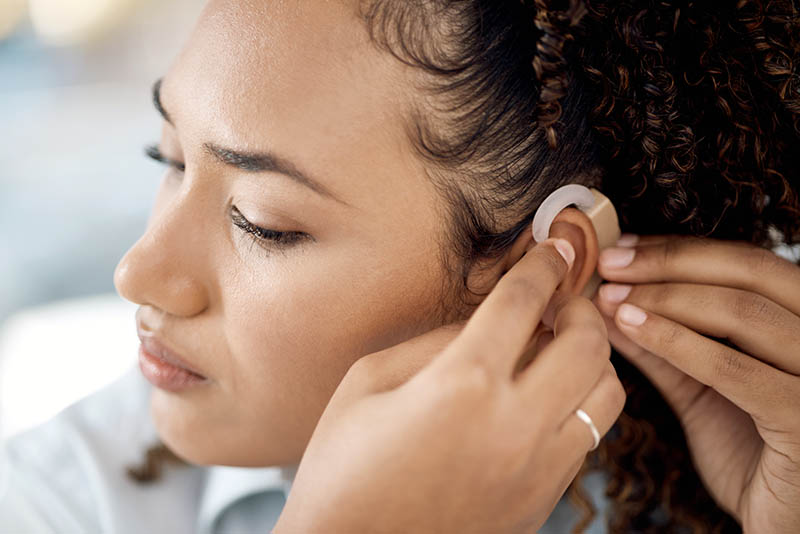
If an individual has hearing aids, they may have concerns regarding the optimal frequency of wearing them to attain maximum benefit. To preserve the sharpness of both the hearing and the brain, the recommended duration for wearing hearing aids is that they should be worn throughout the day. The only exception is during activities such as showering or swimming, as most hearing aids are not waterproof, and during sleep. For individuals new to hearing aids, wearing them throughout the day may be challenging. As such, hearing care providers may suggest wearing them for a few hours daily during the introductory period.
What is the Recommended Duration for Wearing Hearing Aids?
According to the information supplied by the American Academy of Audiology, there is no specific duration for one to wear hearing aids. However, they recommend wearing them throughout the day for optimal results. The academy suggests that the brain finds it difficult to listen using two different channels, i.e., hearing loss and the amplification system. Therefore, it is essential to keep the ear channel open throughout the day as it is the gateway to the brain. Prolonged removal of hearing aids may decrease hearing ability as the brain has adapted to the hearing-aid environment. The brain does not need to work as hard to compensate for the hearing loss as before. We highly recommend wearing hearing aids for the entire day, as they provide better hearing outcomes. The ear serves as a channel to the brain; therefore, it should not be partially closed during the day.
Hearing loss Can Lead to Auditory Deprivation
Individuals with hearing loss often struggle to detect sounds of various frequencies, particularly high-pitched ones. Failure to address hearing loss may result in the brain losing its capacity to perceive specific words and sounds, leading to a condition known as auditory deprivation.
If hearing, speech, and language are the parents’ objectives for a hearing-impaired infant, we must expedite auditory nerve stimulation as neural synapses develop. This concern is also relevant for adults, as a deprived auditory system can affect sound processing abilities adversely.
Furthermore, the sporadic use of hearing aids can lead to comparable deprivation. If hearing aids are removed for any length of time, the brain adjusts to the new circumstances, necessitating increased effort or withdrawal from communication. Either of these results may negatively impact the ability to process specific sounds.
Seeing an Audiologist
If you resume using your hearing aids and the sound quality proves uncomfortable, a period of adjustment may be necessary. Should this fail to yield desirable results, it would be advisable to consult an audiologist or hearing instrument specialist. Given that hearing needs are known to change over time, such a specialist would be able to reprogram your hearing aids, where necessary, and provide the needed motivation to promote full-time usage.
Frequently Asked Questions
It is recommended to wear hearing aids throughout the day for optimal benefit, except during activities like showering, swimming, or sleeping. Wearing them consistently helps maintain the brain's ability to process sounds effectively.
Wearing hearing aids all day keeps the ear channel open, which is the gateway to the brain. Consistent use prevents auditory deprivation and helps the brain continue processing sound properly without having to compensate for hearing loss.
Auditory deprivation occurs when the brain loses its ability to perceive sounds due to unaddressed hearing loss or inconsistent hearing aid use. Sporadic removal of hearing aids can cause the brain to adjust negatively, impacting sound processing abilities.
New users may find it challenging to wear hearing aids all day initially. Audiologists often recommend starting with a few hours daily and gradually increasing usage to allow the brain to adapt comfortably to amplified sounds.
If your hearing aids are uncomfortable upon resuming use, an adjustment period is normal. If discomfort persists, consult an audiologist or hearing specialist who can reprogram the devices and provide guidance for full-time use.
Yes, hearing needs can change over time, requiring hearing aids to be reprogrammed by a professional to ensure optimal hearing performance and comfort during use.





