
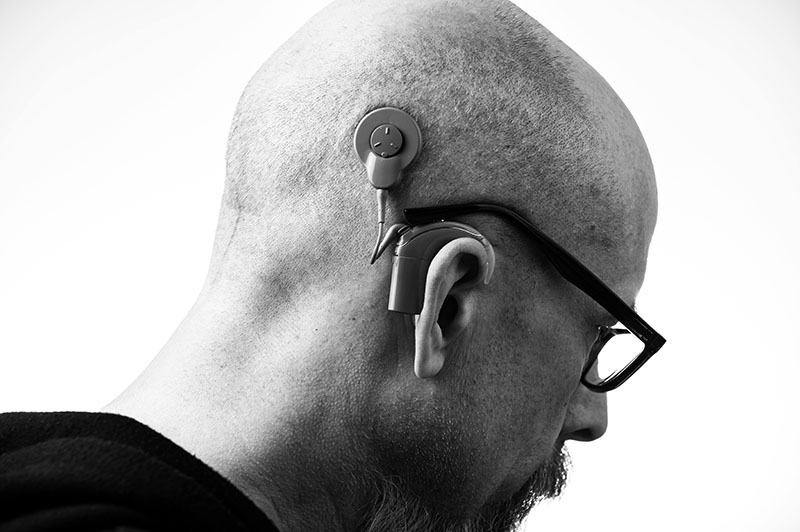
Many individuals are unaware that hearing technology, such as hearing aids, necessitates ongoing maintenance if you want them to continue working. While repairing your hearing aids at home isn’t feasible, performing maintenance on them is necessary. If you want to protect your investment, having the ability to maintain your hearing aids and knowing how to prevent damage to your hearing aid device is crucial for every hearing aid owner.
How to Maintain Your Hearing Aids
Hearing aids are intricate devices designed to fit within or outside the ear. They may experience issues that can lead to damage or malfunction. Knowing how to address these concerns is critical for maintaining the proper functioning of the hearing aid. While DIY maintenance can help preserve the hearing aid’s condition, it is essential to seek consultation from a hearing health professional to distinguish between issues that require repair or genuine damage.
Self-care practices are essential for maintaining optimal functionality for the hearing aid. Hearing aid owners must understand the recommended maintenance and cleaning protocols to ensure the device’s longevity. In summary, hearing aid owners should seek professional consultation to address any concerns regarding their device and follow recommended self-care practices to maintain optimal functionality.
Keep Your Devices Dry:
It is imperative to maintain hearing aids’ dryness to ensure their durability. We recommend taking them out before engaging in activities like swimming and showering. In inclement weather, a hood or umbrella should be utilized to prevent water damage. If an excess of moisture is detected, a hearing aid dehumidifier should be employed to mitigate the situation. This will also sanitize the hearing aids, preserving their cleanliness and condition.
Store Devices at the Correct Temperature:
It is imperative to ensure that hearing devices are stored appropriately, even in regions subjected to harsh temperatures. To avoid any damage to the devices, we recommend avoiding exposing them to excessive summer heat or the winter cold. Use hats, scarves, or earmuffs during the colder months to protect your hearing aids from potential damage. During the summer months, it is advised to store the hearing devices in a cool, dark place. It is strongly recommended that the hearing aids be kept in a protective case to prevent device damage.
Clean Excess Ear Wax:
It is a natural phenomenon for each individual to produce earwax, which may present challenges for those using hearing aids. This wax accumulation can potentially obstruct the devices and accumulate in both the ear canal and the hearing aids. Yet, a simple routine of gently drying the devices nightly can help prevent significant wax buildup issues, ensuring the optimal performance and comfort of the hearing aids. It is advisable to engage with a hearing health professional if one is experiencing earwax buildup and discuss potential solutions. They can recommend ear irrigation to soften the wax and flush it out.
Take Care of the Battery:
One of the most effective means of ensuring the optimal functionality of hearing aids is to monitor the battery routinely. If indications of diminished battery performance are detected, you should confer with a hearing health professional to obtain a replacement. This proactive approach will help maintain your device’s quality and longevity.
Frequently Asked Questions
Regular maintenance is crucial for hearing aids because they are intricate devices that can experience issues leading to damage or malfunction. Proper care helps preserve their functionality, prolongs their lifespan, and protects your investment. Without maintenance, hearing aids may perform poorly or stop working altogether.
To keep hearing aids dry, remove them before swimming or showering and protect them from rain or moisture with a hood or umbrella. Using a hearing aid dehumidifier can help remove excess moisture and sanitize the device, which preserves its cleanliness and prevents moisture-related damage.
Hearing aids should be stored at appropriate temperatures to avoid damage. Avoid exposing them to extreme heat or cold by keeping them in a cool, dark place during summer and protecting them with hats or scarves during winter. Always store hearing aids in a protective case to prevent physical damage.
Earwax can accumulate in both the ear canal and the hearing aids, potentially blocking them and causing discomfort. Gently drying your hearing aids nightly can reduce buildup, but if earwax is problematic, consult a hearing health professional. They can recommend procedures like ear irrigation to safely soften and remove excess wax.
Monitoring the hearing aid battery ensures your device operates optimally. When you notice signs of reduced battery performance, it's important to consult a hearing health professional for replacement. Timely battery changes help maintain the device’s effectiveness and longevity.
No, repairing hearing aids at home is not feasible due to their complexity. While you can perform maintenance to preserve their condition, any repair or significant malfunction should be handled by a hearing health professional to ensure proper care and avoid further damage.





