
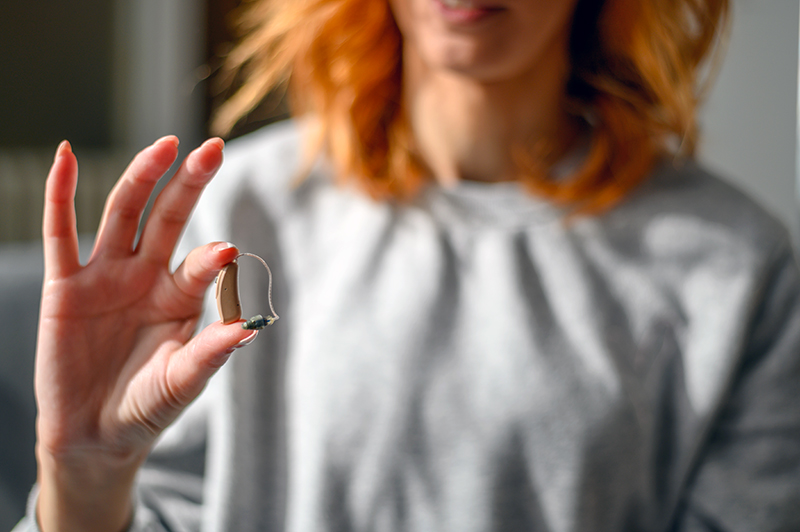
A good hearing aid will bring the sounds of the world back into your life. Reintroducing sensory impressions can be overwhelming if you’ve become used to hearing difficulties. This is normal for those new to hearing aids. You will need to be patient, give yourself time to get used to them, and follow helpful new hearing aid tips to help you adjust and adapt. Both the sensations of hearing returning and having the device in your ear take some time to get used to. However, every experienced hearing aid user agrees that once you become accustomed to your devices, you will never want to be without them. To help you get used to your hearing device, check out our new hearing aid tips.
New Hearing Aid Tips: How to Adapt to Your New Hearing Aids
The First Few Weeks:
It can take time to get used to wearing new hearing aids. During the first few weeks, you will be getting used to your new hearing aid for hearing and having a device in your ear. Once a hearing aid is present, you will experience an abrupt change in your perception of sounds. At first, everyday sounds may be louder than expected, and even your voice may sound different. For many new users, feeling overwhelmed at first is normal. Since it may have been a long time since a full range of sounds has been experienced, many of the sounds people learn to tune out will be returned, and your brain will have to get used to them again for them to fade into the background. The key to dealing with these first weeks is to be patient and take breaks from your hearing aid when needed. After you become accustomed to them, you will only notice their absence.
Helpful Tips:
• Wear your hearing aid regularly; the more you use it, the faster your brain will adapt.
• Keep a hearing diary to help you keep track of your progress from day to day.
• Talk to your audiologist about any issues and struggles you are experiencing.
• Be patient, and don’t give up.
Familiarizing Yourself With Your New Device:
Knowing how your device functions when you get it is critical to help you get used to it. Going over the basics with your audiologist and asking questions is an excellent first step. Make sure to read any manual or watch any videos the manufacturer recommends. Knowing how to adjust settings, change batteries, and proper cleaning techniques will help in the long run to help adapt to using hearing aid devices.
Helpful Tips:
• Start by using your device in quiet places to avoid being overwhelmed.
• Don’t feel obligated to wear your device all day at first. Take breaks at first to help you adjust to wearing them.
• Test all of the different settings to become accustomed to how they function.
• Once you have gotten used to wearing it, move on to sound environments like personal one-on-one conversations or watching tv. Keeping the sounds limited will allow you to make adjustments.
• Gradually work towards noisy places like traffic or restaurants. Walking in your neighborhood or park can help you get used to background noises.
Final Steps In Adjusting To New Hearing Aids:
The most beneficial quality your communication needs is patience. Be patient, and don’t expect everything all at once. Getting used to new hearing aids is a slow process. The brain must be retrained to hear again. It is not simply a case of putting it in and hearing restored instantly. Concentration is also vital to restoring the ability to hear. Communication is a two-way street that involves active listening and response. Not paying attention or device failure can ruin interactions and make things uncomfortable for everyone involved.
Helpful Tips:
• Practice concentrating on one source at a time until you can deal with loud, noisy situations.
• Take it easy; take breaks when you need them. Overwhelming yourself too much will only train your brain to refrain from using them.
• Be honest with the people you’re talking to; asking someone to repeat while you make adjustments is alright.
Frequently Asked Questions
It can take several weeks to adapt to new hearing aids as your brain adjusts to the restored sounds and the sensation of wearing a device in your ear. The first few weeks often involve experiencing louder everyday sounds and unfamiliar auditory sensations, which is normal. Patience and regular use help accelerate the adaptation process.
Effective strategies include wearing your hearing aids regularly to help your brain adapt faster, starting in quiet environments to avoid being overwhelmed, and gradually exposing yourself to noisier settings. Keeping a hearing diary and maintaining communication with your audiologist about any issues are also helpful for tracking progress and troubleshooting.
When you first start using hearing aids, you may notice that everyday sounds, including your own voice, appear louder or different because your brain is reacquainting itself with a full range of auditory input. Previously tuned-out background noises return, requiring time for your brain to filter and adjust to these sensations again.
Communication with your audiologist is crucial during the adjustment period. They can guide you on device settings, troubleshoot problems, and provide support as you adapt. Regularly discussing your experiences and challenges helps optimize your hearing aid use and ensures a smoother transition.
If you feel overwhelmed, it's important to take breaks from wearing your hearing aids and start by using them in quiet environments. Gradually increase the duration of use and the complexity of sound environments over time to prevent sensory overload and help your brain adapt comfortably.
Familiarize yourself with your hearing aid by learning how to adjust settings, change batteries, and clean the device properly. Reading the user manual, watching instructional videos, and discussing features with your audiologist will help you confidently manage your hearing aids and ease the adjustment process.
Patience is essential because adapting to new hearing aids is a gradual process that involves retraining your brain to hear again. Expecting immediate results can lead to frustration. Consistent use, concentration on listening, and allowing yourself time to adjust improve long-term success with hearing aids.