
Unless you started life with an abnormality or suffered a terrible wound, chances are you have two round appendages on the sides of your head we like to call “Ears.” Many do not realize just how special and amazing their ears are. Our ears do more than just allow us to hear; they help regulate balance and pressure in the sinus cavities. And your ears never rest; it’s the brain that blocks out sound during sleep, with the use of chemical releases, but the ears are always working. And every part of the ear is vital for proper functioning. Even the tiny little hairs called terminal hairs are essential for hearing, and if they become too damaged or are lost, a person will also lose the ability to hear. The ears also never stop growing; studies have shown that a person’s ears can grow a little more than a half millimeter throughout their lifetime. No two ears are the same; some are small and curve close to the head, while others can be large or protrude outward. To date, there has been no evidence that the shape or size of an ear has any effect on one’s ability to hear. So, no matter what your ears look like, it’s always a good idea to maintain them for optimum health, but you must know how to deal with your ears safely.
Many people have regular habits for cleaning and maintaining their ears. While giving your ears regular attention is not a bad idea, some practices are more beneficial than others, and some can even lead to damage and long-term problems. In the natural scheme of things, your ears are supposed to be self-cleaning. But, every once in a while, nature needs a little help, and so do we. Make sure to read our tips on how to deal with your ears safely. Ears are a fantastic part of our anatomy and should be treated with care so that they will last a lifetime.
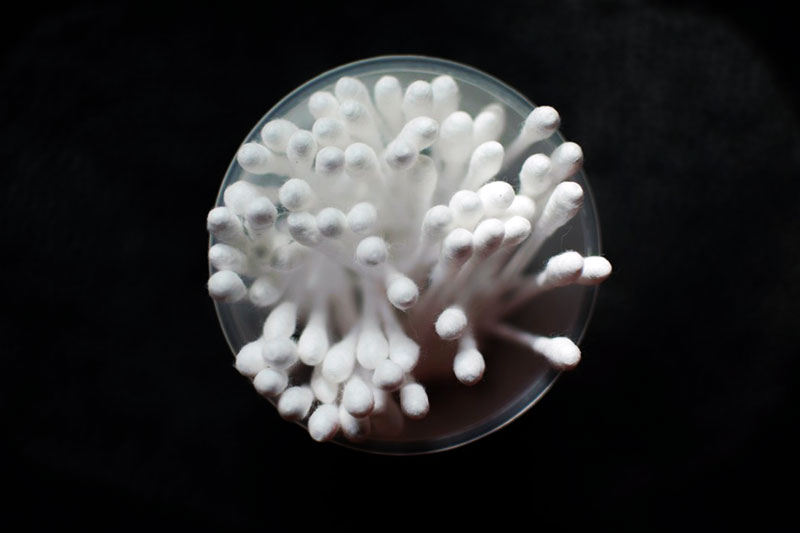
1- Never use cotton swabs or insert anything smaller than your elbow into your ear. The only things that should be entering your ear are air and sound. Cotton swaps and the like can damage the inner lining of the ear canal, leading to irritation and potential infections.
2- Irrigating the ear using over-the-counter ear drops, oils (like coconut and olive oils), and hydrogen peroxide can provide temporary relief for excessive earwax build-up. Used sparingly, it can work wonders. However, if you have a hole in your eardrum, have been diagnosed with diabetes, or have a weakened immune symptom, you should avoid this form of rinsing.
3- Even your diet can be a factor as earwax build-up is also a symptom of a deficiency of omega-3 fatty acids in the body. Correcting this can help significantly reduce its production.
Frequently Asked Questions
Using cotton swabs or inserting any objects into your ear canal can damage the inner lining, leading to irritation, infections, and even long-term hearing problems. The ear canal is sensitive and is naturally designed to self-clean, so inserting items can disrupt this process and cause harm.
Besides hearing, ears play a crucial role in maintaining balance through the vestibular system located in the inner ear. They also help regulate pressure in the sinus cavities, ensuring proper function and comfort. This dual role makes the ears vital for both auditory and bodily equilibrium.
Yes, studies have shown that ears can grow slightly, typically more than half a millimeter over a lifetime. This growth is gradual and does not impact hearing ability. The size or shape of ears does not affect how well a person hears, so variations in ear appearance are normal and harmless.
Using over-the-counter ear drops, natural oils like coconut or olive oil, or hydrogen peroxide can help soften and remove excessive earwax when used sparingly. However, people with a perforated eardrum, diabetes, or weakened immune systems should avoid these methods and consult a doctor instead.
Diet impacts ear health, particularly via omega-3 fatty acids. A deficiency in omega-3s can contribute to excessive earwax buildup. Ensuring adequate intake of these essential fatty acids can help reduce wax production and support overall ear health.
Yes, the tiny terminal hairs inside the ear are essential for hearing. These hairs pick up sound vibrations and transmit them to the brain. Damage or loss of these hairs can lead to hearing loss, which is why protecting the ear's delicate structures is important.





