
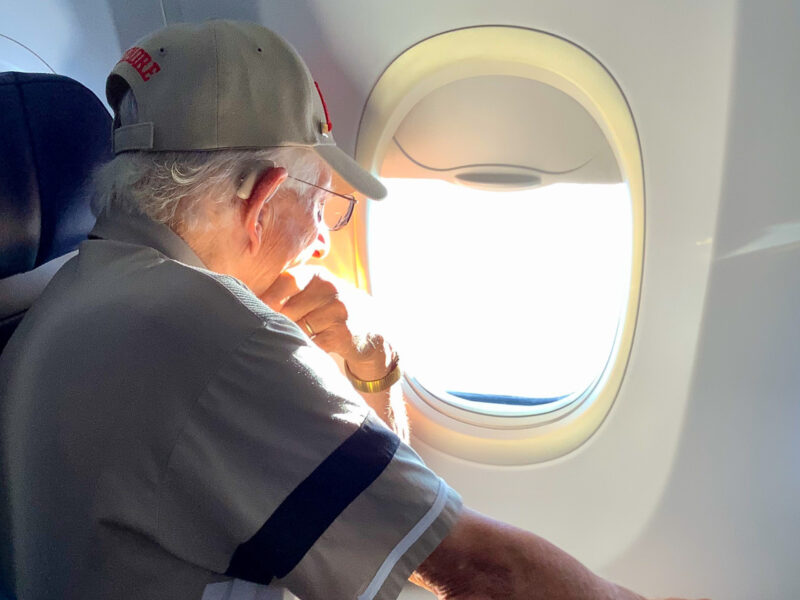
When you wear hearing aids and rely on them daily, they quickly become an extension of you. Hearing aids can deeply impact a person by improving their quality of life, so it makes sense to take the precautions needed when traveling. When you are traveling with hearing aids, extra planning is necessary to keep your hearing aids in working order while you are away from home. It doesn’t matter if you are close to home or hours away. Anytime you plan on being away from your home for an extended period of time, extra steps are needed to help ensure your hearing aids make the trip safely.
Even if you are visiting family a few towns away, if you plan on traveling with hearing aids in the future (near or far), here are a few things to keep in mind.
• Make sure you never leave the house, especially while traveling, without your hearing aid supplies. Dedicate a bag just for this purchase to hold and carry accessories, charging station, batteries, etc. Also, don’t forget to pack your cleaning tools! You never know when you might need them.
• Don’t ever get into the mindset that the batteries you currently have in your device will hold up through a one day trip. There are numerous factors why a battery could drain faster than usual, so it’s best to be prepared. Never leave the house without bringing extra batteries with you.
• If you happen to be traveling near water, bring a dry aid kit with you. If you don’t have one, make sure you purchase one. Having a dry aid kit can help extend your device’s life by removing moisture, so having one on hand would be very useful and helpful. Even if you are not going anywhere near a body of water, having one is always a good idea. Exposure to rain and humidity can happen anywhere.
• Once you arrive at your destination, set up an area specifically for your hearing aids and supply bag. Having a safe, designated area to store your device and accessories can help prevent accidental misplacements and reduce stress. It’s easier to keep everything in one spot, so when you need something or you need to head out the door, you know where it is every time.
• Before you go, it’s a good idea to make an appointment with your audiologist for a hearing aid checkup. They can fine-tune the device and answer any questions or concerns you may have. Plus, if you plan on being away for an extended period, they might have a referral for another audiologist that’s local to the area where you will be.
Frequently Asked Questions
When traveling with hearing aids, it is crucial to carry all necessary supplies such as extra batteries, cleaning tools, a charging station if applicable, and a dry aid kit. Keeping these items organized in a dedicated travel bag helps ensure you have everything needed to maintain and protect your hearing aids during your trip.
Hearing aid batteries can drain faster than expected due to various factors like temperature, usage, and device settings. Therefore, it is important to bring extra batteries every time you travel to avoid unexpected battery failure and maintain the functionality of your hearing aids throughout your trip.
A dry aid kit helps remove moisture from hearing aids, which can accumulate from exposure to rain, humidity, or sweat. Using a dry aid kit regularly during travel can extend the life of your hearing aids by preventing moisture-related damage, making it an essential accessory even if you are not traveling near water.
Upon arriving at your travel destination, set up a specific, safe area to store your hearing aids and supplies. Keeping your device and accessories in one designated spot helps prevent accidental loss, reduces stress, and makes it easier to access them when needed, ensuring your hearing aids remain in good condition.
Yes, it is advisable to schedule an appointment with your audiologist before traveling. They can perform a hearing aid checkup, fine-tune your devices, address any concerns, and potentially refer you to a local audiologist at your destination for support during extended travel.
Yes, even when traveling short distances such as visiting family nearby, it’s important to take precautions like carrying extra batteries, cleaning tools, and a dry aid kit. Any extended time away from home requires careful planning to keep hearing aids functional and avoid inconvenience.
Factors such as changes in temperature, increased device usage, wireless streaming, and differing environmental conditions can cause hearing aid batteries to drain faster during travel. Being prepared with extra batteries is essential to avoid interruptions in hearing aid performance.