
Understanding Ear Infections
Ear infections (Otitis Media) are common in children and can be caused by bacteria or viruses from a cold. They lead to fluid buildup and inflammation, causing fever, pain, and hearing trouble. While they may resolve on their own, persistent symptoms need medical attention. Adults can also experience discomfort and potential hearing loss, so consult a doctor if symptoms last. Dr. Sperling, an expert ear infection doctor in NYC, can help you get the treatment you need.
How is it Caused?
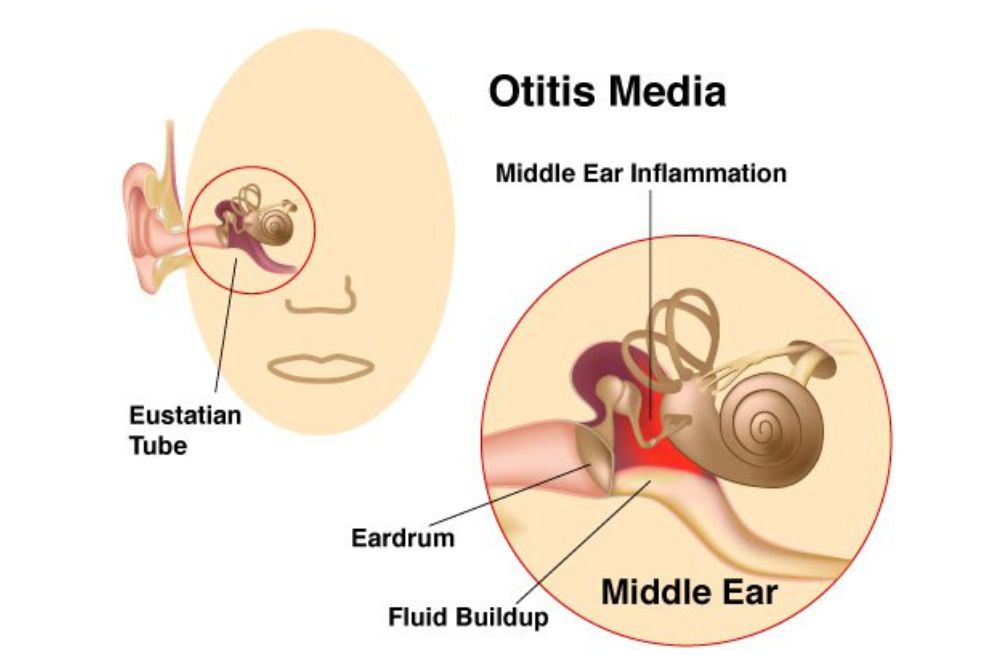
Eustachian tube blockage from a cold or infection causes pus buildup behind the eardrum, leading to acute otitis media with pain and hearing issues. Fluid may persist in the middle ear, causing ongoing problems.
What are the Symptoms?
In infants and toddlers, watch for ear pulling, hearing issues, irritability, fever, and ear drainage. In older children and adults, look for earache, fullness, hearing problems, dizziness, and fever.
How Should Medication Be Taken?
Take all medications as directed and attend follow-ups, as antibiotics may relieve pain quickly but need time to clear the infection. Contact your doctor with any questions or if symptoms persist.
Office Expectations
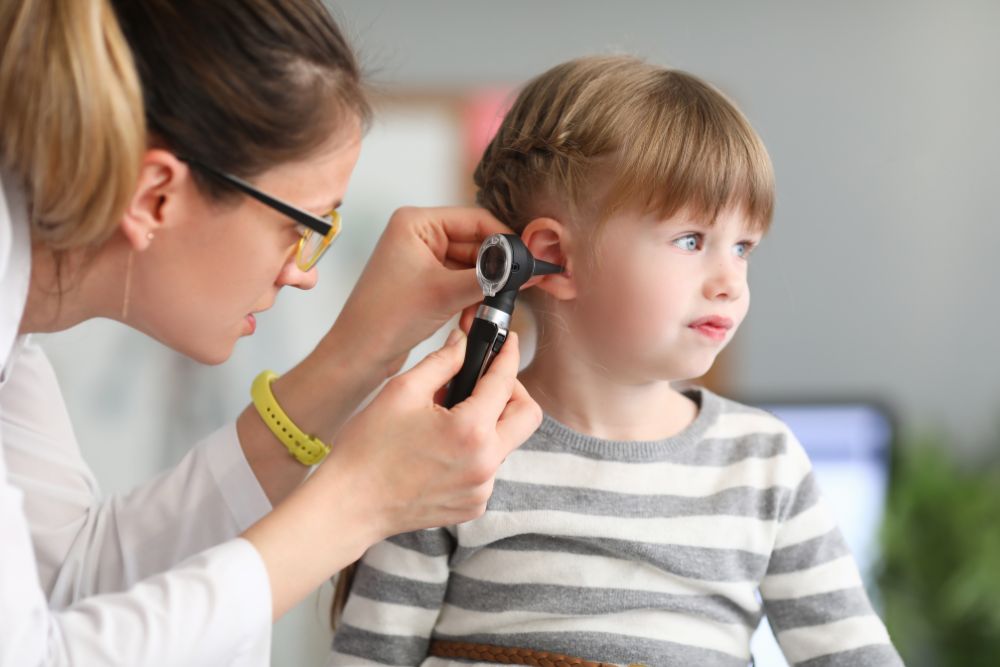
Dr. Sperling will use an otoscope or microscope to check for redness, fluid, and eardrum movement. Tests may also include an audiogram for hearing loss and a tympanogram for middle ear pressure.
Is It Serious?
Otitis media can be serious, potentially causing ear pain, hearing loss, and, in children, delays in learning and speech development. Prompt and effective treatment usually restores normal hearing. Additionally, the infection can spread to nearby structures like the mastoid, so immediate medical attention is crucial. Contact Dr. Sperling, a top ear infection doctor in NYC, for expert treatment.

What Other Treatment May Be Necessary?
If your child has frequent acute otitis media, persistent hearing loss, or chronic infection lasting over three months, your doctor may suggest placing ventilation tubes. This involves a minor procedure to insert a tube in the eardrum to improve hearing and reduce infections. If recurrent infections are due to infected adenoids or tonsils, their removal may also be recommended and can be done during the same procedure.
How Does the Ear Work?
The outer ear collects sounds and funnels them to the middle ear, a small, air-filled cavity behind the eardrum. Sound waves cause the eardrum to vibrate, moving tiny bones in the middle ear that transmit vibrations to the inner ear. The inner ear then converts these vibrations into electrical signals sent to the brain. The Eustachian tube, connecting the nose to the ear, maintains equal pressure in the middle ear for proper vibration.
Frequently Asked Questions
Ear infections are caused primarily by blockage of the Eustachian tube due to a cold or infection. This blockage leads to pus and fluid buildup behind the eardrum, resulting in inflammation, pain, and hearing issues. Both bacteria and viruses can trigger these infections.
In infants and toddlers, symptoms include ear pulling, irritability, fever, ear drainage, and hearing problems. Older children and adults often experience earache, a feeling of fullness, hearing difficulties, dizziness, and fever. Recognizing these symptoms early is important to seek timely treatment.
Doctors use tools like an otoscope or microscope to look for redness, fluid buildup, and abnormal eardrum movement. Additional tests such as an audiogram to assess hearing loss and a tympanogram to measure middle ear pressure may be performed to confirm the diagnosis and guide treatment.
If ear infections are frequent, cause ongoing hearing loss, or last over three months, a minor surgical procedure to place ventilation tubes in the eardrum may be recommended to drain fluid and improve hearing. In some cases, removal of infected adenoids or tonsils can also be performed to reduce infection recurrence.
Completing the full course of antibiotics ensures the infection is fully cleared even if symptoms improve quickly. Stopping medication early can lead to incomplete treatment, causing recurring or worsening infection. Always follow your doctor's instructions and attend follow-up appointments.
Yes, untreated otitis media can cause prolonged ear pain, significant hearing loss, and in children, developmental delays in learning and speech. The infection may also spread to nearby structures like the mastoid bone, leading to more severe health issues. Prompt medical treatment is essential to prevent these complications.
The ear works by funneling sound through the outer ear to the middle ear, where vibrations are transmitted through tiny bones to the inner ear, which converts them to electrical signals for the brain. The Eustachian tube helps regulate pressure in the middle ear, and its blockage from infection can cause fluid build-up leading to ear infections.





