
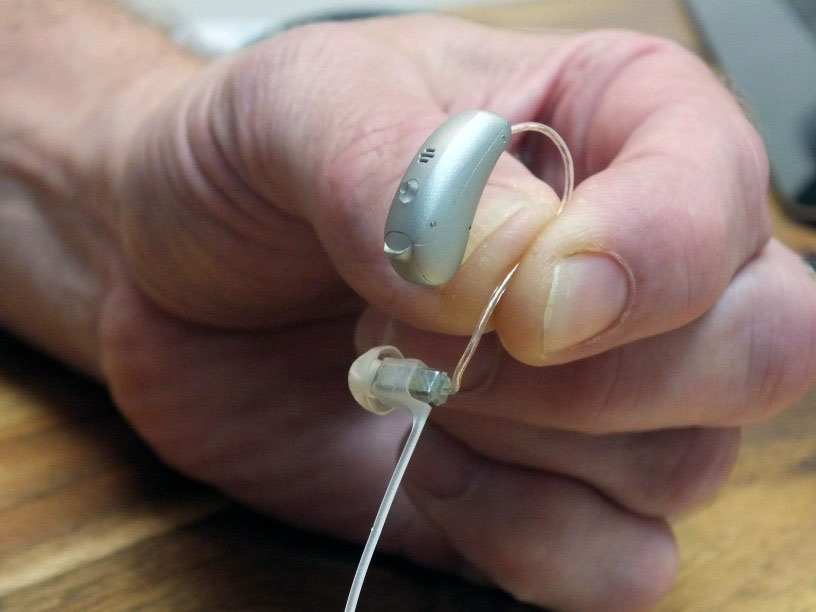
Hearing aids are a significant investment, so it is essential to take care of them if you want them to last. Keeping your hearing aids well-maintained can help you continue hearing the world around you, and help you save money in the long run. While a hearing care professional should do the heavy-duty maintenance, there are things you can do at home to help, like keeping your hearing aids clean. Taking care of your device is critical, so you must know how to clean your hearing aids so you can keep them in excellent condition and prolong their life.
Knowing how to clean your hearing aids is crucial if you want your device to remain in top working condition. Learn more about some of the preventative measures you can take when it comes to keeping your hearing aids clean.
• A big part of keeping your hearing aids clean is following a routine when it comes time to take out your hearing aids. Storing them in one place can help keep your device away from items that may contaminate them, and ensure that where you place them is away from water. The last thing you want to do is to accidentally knock your hearing aids into a sink, tub, or in the toilet bowl.
• Moisture buildup and condensation can create a host of problems for your hearing aids. It can become a breeding ground for bacteria, and the added moisture can shorten the life of your hearing aid. To help avoid condensation and moisture buildup, keep the battery doors open at night to allow airflow throughout the device.
• If you wear a behind-the-ear (BTE) hearing aid, moisture can collect in the tubing due to the difference in temperature between the warm, moist air from the ear canal and the person’s environment. So check the tubing for moisture and condensation, and if noted, remove the tubing from the ear hook and use a tube blower to force out the moisture.
• Every morning, use a clean cloth or a regular tissue (one without lotion or aloe) to wipe off the hearing aids to prevent earwax buildup. Earwax can clog the critical components of your hearing aids, so wipe down your hearing aid every morning. Just be careful not to wipe any of the debris into the microphone ports, and do not wipe the microphone ports since it is a fragile area. Save that for a hearing care professional.
• Purchase hearing aid cleaning tools to help keep your hearing aids clean. These tools include a vent cleaner, a wax removal brush, and a wax pick. When using these tools to clean your device, make sure your hands are clean and keep the hearing aid turned upside down. This way the dislodged debris can fall out of the device, instead of falling back into the hearing aid.
Frequently Asked Questions
Regular cleaning of hearing aids is essential to maintain their performance and longevity. Dirt, earwax, and moisture can clog and damage the internal components, reducing sound quality and potentially causing costly repairs or replacements. By keeping your hearing aids clean, you can ensure they continue to help you hear clearly and avoid premature device failure.
It is recommended to always store your hearing aids in a consistent, dry place away from water sources like sinks, tubs, or toilets. This prevents accidental water damage and contamination. Using a dedicated case or container helps protect them from dust and keeps them organized when not in use.
To avoid moisture and condensation inside your hearing aids, open the battery doors every night to allow airflow through the device. For behind-the-ear (BTE) hearing aids, regularly check tubing for moisture, and if present, remove the tubing and use a tube blower to clear out any trapped moisture. This helps prevent bacteria growth and device damage caused by humidity.
Use a clean, dry cloth or a tissue without lotion or aloe to gently wipe your hearing aids each morning to remove earwax. Avoid wiping earwax into the microphone ports, and never clean the microphone ports yourself as they are delicate; leave that to your hearing care professional. Using specialized hearing aid cleaning tools can also help safely remove wax and debris.
Recommended cleaning tools include vent cleaners, wax removal brushes, and wax picks. When using these tools, ensure your hands are clean and hold the hearing aid upside down so debris falls out instead of back inside the device. These tools help safely dislodge and remove earwax and debris to keep your hearing aids functioning properly.
While regular cleaning and basic maintenance can be done at home to prolong your hearing aids' life, heavy-duty maintenance should be performed by a hearing care professional. They can properly clean delicate parts like microphone ports and perform necessary repairs. Routine professional checkups complement home care to ensure optimal device performance.