
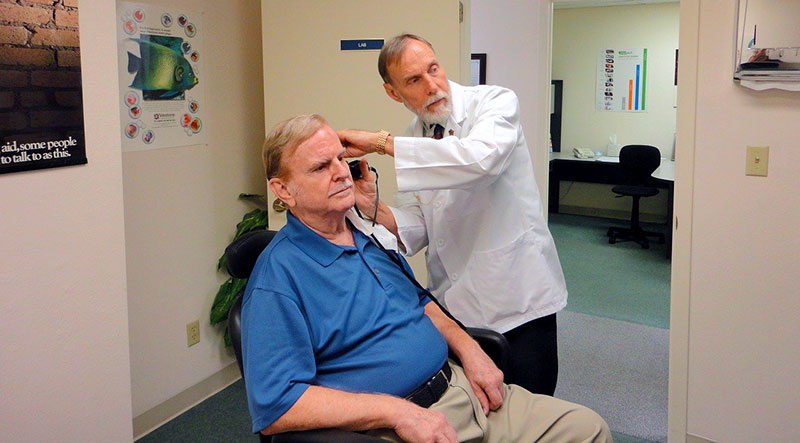
For those in the market for hearing aids, you may be shocked to learn how expensive they can be, even with insurance. Some forms of insurance don’t cover hearing aids at all, while others don’t typically cover the full expense of a hearing aid and only offer partial coverage. Unfortunately, the average cost of a pair of hearing aids is close to five thousand dollars, making it difficult for those to receive assistance for their mild to moderate hearing loss. However, there is hope if you use some smart money-saving strategies. Following these useful tips for buying a hearing aid can help prevent you from breaking the bank.
Hearing aids can be expensive, but there are ways to find discounts and alternatives that are less expensive. If you are looking for ways to save you money, check out these helpful tips for buying a hearing aid.
Express Your Money Concerns to Your Doctor
If hearing aids are being recommended to you by your doctor, don’t be afraid to bring up your concerns regarding the high-price tag of hearing aids. Doctors have heard and seen it all, so don’t hesitate to discuss your apprehensions if you are experiencing sticker shock. Luckily, many of the major hearing aid manufacturers offer hearing aids at a lower cost, so your doctor may be able to help you purchase one at a discounted price. Your doctor may even be able to help you get financial assistance, especially if you are a veteran.
Figure Out What Features Matter the Most
Many of the modern hearing aids range in regards to what features they have. Some hearing aids are more high-tech and feature many bells and whistles. However, those are bound to be more money and may have features that you could live without. So if you are on a budget, make sure you prioritize the features that matter to you the most. While you shouldn’t focus solely on purchasing the least expensive one you can find, make sure you pinpoint what you really need and what you can live without.
Shop Around for the Best Prices
There’s nothing wrong with getting a second opinion and shopping around for the best deals on hearing aids. If you didn’t like what you saw from your audiologist, never hesitate to get a second opinion and to confirm the information you were told. Many websites offer hearing tests online and even sell hearing aids. Plus, there are still some brick and mortar stores that do the same. Depending on your location, Costco, BJ’s, Sam’s Club, Walmart, and even Walgreens may offer hearing aids. Just make sure whatever hearing aid you do purchase, comes with a return policy.
Know Your Other Options
Depending on the severity of your hearing loss, a hearing amplifier or a personal sound amplification device may do the trick. While a hearing amplifier is not as sophisticated as a hearing aid, it can still get the job done by amplifying sounds, without all the extra bells and whistles. While you may eventually want to buy a hearing aid, using an amplifier can help in the meantime, and they won’t break the bank. A personal sound amplification device is typically a third or fourth of the price of a hearing aid, so don’t be afraid to go this route if needed.
Frequently Asked Questions
Hearing aids can be costly due to their advanced technology and customization required to fit individual hearing loss. Additionally, insurance coverage for hearing aids is often limited or nonexistent, which can make the out-of-pocket expense close to five thousand dollars for a pair. However, manufacturers sometimes offer lower-cost options or financial assistance programs.
It's important to openly express your financial concerns regarding hearing aid costs with your doctor. Many doctors can provide information about lower-cost options from major manufacturers or assist with finding financial aid, especially for veterans. They are familiar with patients' budget challenges and can help find affordable solutions.
When purchasing a hearing aid on a budget, focus on the features that address your specific hearing needs rather than opting for the latest high-tech models with unnecessary extras. Identifying the essential functions will help you avoid overspending on features you don't require while still improving your hearing effectively.
Yes, for mild to moderate hearing loss, hearing amplifiers or personal sound amplification devices can be cost-effective alternatives. Although less sophisticated, these devices amplify sound and can be a helpful interim solution. They typically cost a fraction of what traditional hearing aids do and might meet your needs without the higher price.
You can shop for hearing aids at various retailers including big-box stores like Costco, BJ’s, Sam’s Club, Walmart, and Walgreens. Online options also exist where you can take hearing tests and purchase hearing aids. Always ensure that the hearing aids you buy come with a return policy in case they do not meet your expectations.
Yes, getting a second opinion is advisable to confirm your hearing needs and explore different pricing options. Different audiologists or providers may offer varying recommendations and prices, so shopping around can help you find the best hearing aid that fits both your hearing requirements and budget.





