
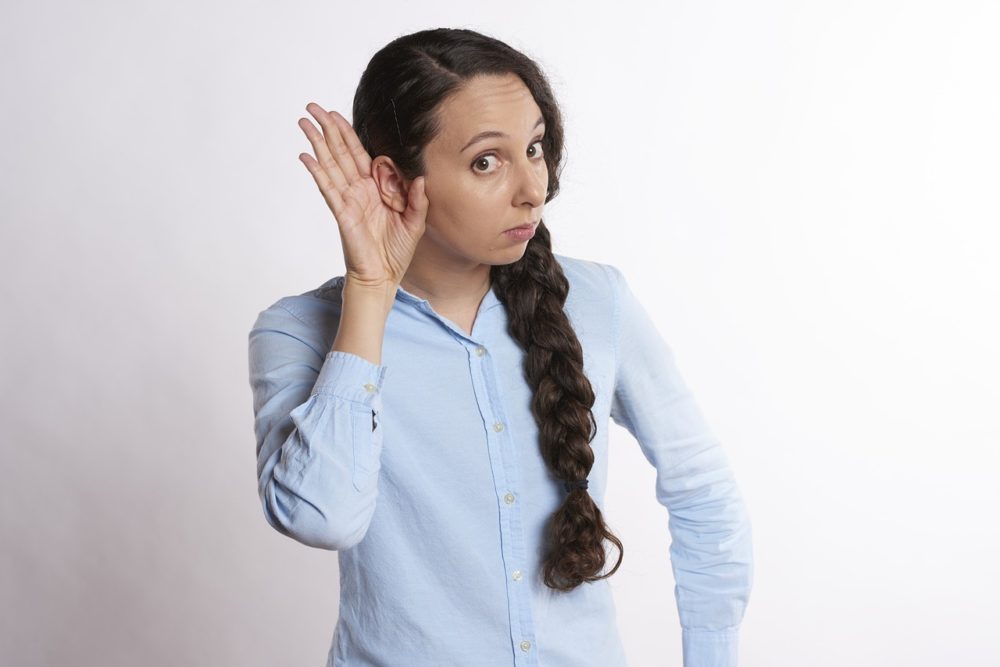
Hearing loss is a common ailment that can affect anyone, young or old. Unfortunately, there are many causes of hearing loss. Hearing loss can either be present at birth, or it can be acquired throughout life, at any point. Sensorineural, the most common type of hearing loss, can happen to anybody, at any age. Sensorineural hearing loss can be caused by medications, noise exposure, and also by aging. While aging is unavoidable in life, and we don’t always have a choice when it comes to medications, excessive exposure to loud noises can be harmful to your ears. Noise-induced hearing loss, the second most common cause of permanent hearing loss, can occur when you are exposed to loud noise for a prolonged period of time, and you are not wearing any hearing protection. However, with the proper knowledge and awareness, hearing loss is avoidable and can be prevented.
Safeguard your hearing by taking the proper precautions to protect yourself from hearing loss. To help spread knowledge and awareness, read on to learn more about the top causes of hearing loss.
1. Loud Noise: Loud noises, from a fireworks show or a gunshot, can create powerful sound waves. These sound waves have the ability to rupture your eardrum or cause damage to the inner ear.
2. Changes in Pressure: Going through sudden changes of pressure can damage the inner ear, middle ear, as well as the eardrum, which can lead to damage and hearing loss.
3. Aging: Despite your best efforts, your ability to hear can decline as you get older. Age-related hearing loss is typically caused by the loss of inner-ear hair cells, which happens naturally as you age. Because of this, there is no definitive way to avoid or prevent hearing loss as you age.
4. Earwax Buildup: Even though earwax is naturally occurring, too much earwax can create problems. When earwax becomes built up or impacted, it can create a blockage in your ear that can that affect your ability to hear.
5. Prolonged Noise Exposure: Continuous loud noises can lead to permanent hearing loss, and unfortunately, the most common culprit is prolonged noise exposure in the workplace. An estimated 30 million Americans are exposed to damaging noise levels while at work.
6. Medication: Hearing loss can be a side effect of certain medications. For example, regular use of acetaminophen, aspirin, and NSAIDs can increase your risk of hearing loss.
7. Injuries: Permanent hearing loss can occur due to injuries. For instance, head and facial trauma can dislocate the bones in the middle ear or cause nerve damage. Both types of injuries can open the door to permanent hearing loss.
8. Headphones: A good rule of thumb is, if others can hear your music when you are wearing headphones, your music is too loud. So be sure to turn down the volume, because prolonged use of headphones at a high volume can double your risk for hearing loss.
9. Disease: Certain chronic conditions, such as diabetes, high blood pressure, stroke, rheumatoid arthritis, and heart disease, have hearing loss as one of its side effects.
10. Tumors: Both noncancerous growths (such as osteomas, exostoses, and benign polyps) and tumors can cause a blockage in the ear canal, which can lead to hearing loss.
Frequently Asked Questions
The most common causes of hearing loss include loud noise exposure, aging, earwax buildup, certain medications, injuries, and diseases. Noise-induced hearing loss is particularly common, often caused by prolonged exposure to loud sounds without proper hearing protection.
Aging leads to hearing loss primarily due to the natural loss of inner-ear hair cells over time. This age-related hearing decline happens gradually and is generally unavoidable, as there is no definitive way to prevent it despite best efforts.
Yes, prolonged exposure to loud noise, especially in workplaces with high noise levels, can cause permanent hearing loss. Without adequate hearing protection, continuous loud sounds can damage the sensitive structures of the inner ear.
Certain medications, including acetaminophen, aspirin, and NSAIDs, can increase the risk of hearing loss as a side effect. It is important to consult with a healthcare provider about potential hearing risks when using these medications regularly.
Using headphones at high volumes for prolonged periods can double the risk of hearing loss. A practical guideline is to keep the volume low enough that others cannot hear your music while using headphones to protect your hearing.
Sudden or extreme changes in pressure can damage the eardrum, middle ear, and inner ear structures, potentially leading to hearing loss. This can occur during activities like flying or diving where pressure varies rapidly.
Excessive or impacted earwax can block the ear canal, hindering sound transmission and reducing hearing ability. Although earwax is natural and protective, buildup may require removal to restore normal hearing.
Yes, chronic conditions such as diabetes, high blood pressure, stroke, rheumatoid arthritis, and heart disease can have hearing loss as a side effect. Managing these diseases effectively may help reduce the risk of associated hearing problems.