
When the temperatures rise after a long, cold winter, it can be hard to sit inside. On a warm sunny day who can resist? There’s nothing better than fresh air and warm, sunny skies, so it’s no surprise that many of us like to spend as much time as we can outdoors. There’s so much to do and enjoy during the summer, such as participate in your favorite sport, work on your garden, or take a refreshing dip in the pool. However, if you wear hearing aids, the summer season can pose some challenges to your device. Water and sweat are two significant components of summer. On hot summer days there is a propensity to sweat, and who doesn’t like to cool off by taking a dip in the water? However, both can damage your hearing aids and can prevent them from working correctly. Luckily, if you follow these helpful summer hearing aid tips, you can help keep your hearing aids in good working order for years to come.
• When it comes time to store your hearing aids, make sure you place them in a protective case and keep them out of direct sunlight. However, make sure you avoid storing your hearing aids in small, enclosed areas where moisture and heat can build up. This includes dashboards and glove boxes.
• When you go to bed at night, make sure you remove your hearing aids and place them in a safe, secure area. Also, you want to keep the battery door open on your hearing aids when you remove them at night. Doing so will help relieve moisture and will allow fresh air to move through the device.
• If you plan on hitting the gym, going for a run, or doing any form of exercise outdoors make sure you remove your hearing aids ahead of time, especially if you happen to sweat a lot. Any type of moisture, such as sweat, can damage your device. Follow the same rule on sweltering days, unless you plan on staying inside an air-conditioned building all day long.
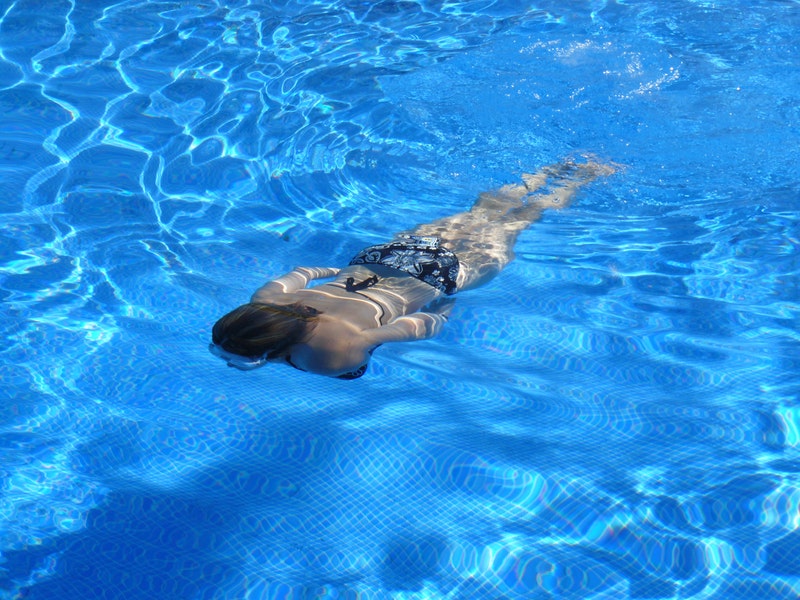
• Sweat is not the only enemy to hearing aids. Bodies of water also pose a serious threat to your device. Going for a swim during the summer is an excellent form of exercise, and best of all, it helps cool you down on hot summer days. However, you need to remove your hearing aids first before you perform your best cannonball or jackknife in the pool. Otherwise, your hearing aids may not survive the swim.
• While it may make sense to you to remove your hearing aids when you go into the pool or any other body of water, the same rule applies to the rain. If it is raining outside, you should try to avoid wearing your hearing aids outdoors. Even if it’s a light mist, you never know when the weather can change for the worst. However, if you cannot get around this, make sure you cover your face and head to protect your hearing aids from the water.
• If you are headed outside and plan on wearing your hearing aids on a sunny day, don’t forget to protect your skin. Just make sure you apply any sunscreen lotion or spray before putting on your hearing aids. The sunscreen should be thoroughly rubbed in and dry before you insert your hearing aids. Otherwise, the oils can seep into the microphone ports/vents, and any other open seams.
Frequently Asked Questions
To protect your hearing aids from sweat damage, remove them before exercising or engaging in any activity that causes heavy perspiration. Sweat can cause moisture buildup, leading to malfunction. Additionally, keeping the battery door open when not wearing them allows moisture to escape and air to circulate.
No, you should always remove your hearing aids before swimming or exposing them to any bodies of water. Water can severely damage the sensitive electronics inside hearing aids, potentially causing permanent malfunction.
Avoid storing hearing aids in small enclosed areas like car dashboards or glove boxes where heat and moisture can accumulate. Instead, keep them in a protective case away from direct sunlight to prevent heat damage and moisture buildup.
Try to avoid wearing hearing aids outdoors during rain, including light mist, as moisture can damage the devices. If you must go out, wear protective coverings over your head and face to shield your hearing aids from getting wet.
Sunscreen lotions or sprays contain oils that can seep into hearing aid microphone ports, vents, and seams if not fully dried. Apply sunscreen before wearing your hearing aids, making sure it is absorbed and dry to prevent damage and maintain device function.
Keeping the battery door open at night or whenever the hearing aids are not in use helps relieve moisture inside the device. It allows fresh air to circulate, reducing the risk of moisture buildup that can damage the hearing aids over time.