
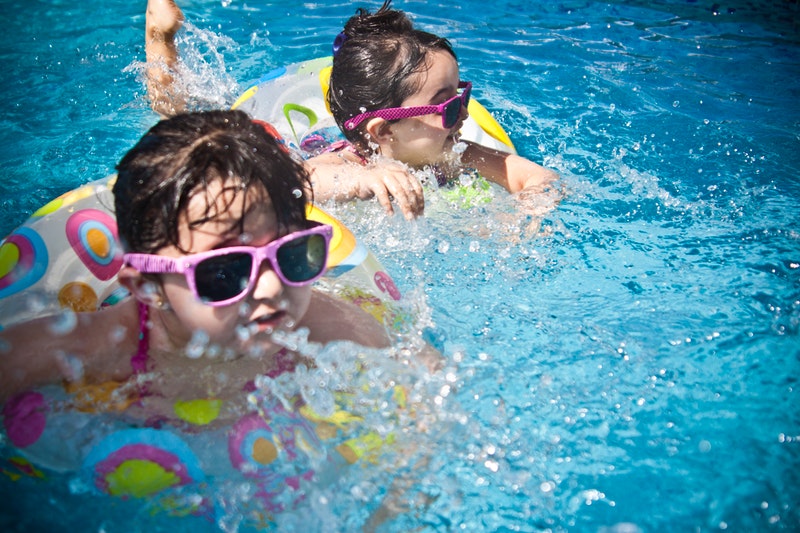
When the temperatures rise, there’s nothing more refreshing than taking a dip in the pool. Doing any kind of water activities during the summer is a great way to have fun and stay cool. However, it can be frustrating when you feel water jostling around in your ear, and you can’t get it out. Getting water in the ears can happen to one or both ears, and can cause a feeling of fullness in your ear canal. Unfortunately, if the water doesn’t trickle out on its own, it can lead to a case of otitis externa, an ear infection that is known as swimmer’s ear. Getting water stuck in your ears can happen for several reasons such as excessive earwax or a narrow ear canal. Luckily, if you are feeling waterlogged, there are methods you can try to get water out of the ears.
Getting water stuck in your ears can be risky, but if you try these tips to get water out of your ears, it may help prevent a case of swimmer’s ear.
• Place the affected ear down on a soft, cotton towel and let gravity do the work. Lay on your ear for a few minutes.
• Chew gum or yawn (or move your jaw up and down) while tilting the affected ear towards the ground.
• Using heat can help water in the ears. Just lay the affected ear down on a warm compress for a few minutes.
• Using hydrogen peroxide ear drops can help with the removal of water from the ears. However, you mustn’t use this method if you have an ear infection, eardrum tubes, or a perforated eardrum.
• Open up your Eustachian tubes by taking a breath, then pinch your nose and close your mouth then gently exhale.
• Gently tug on your earlobe while tilting your head towards the affected ear.
• Cup your hand and place it over your ear while your head is tilted towards the ground. Gently push and release your hand, creating a back and forth motion to create suction.
Contact a medical professional if you have water in the ears and can’t remove it, or are experiencing pain or a fever.
Frequently Asked Questions
Water can get trapped in the ears due to factors like excessive earwax buildup or having a narrow ear canal. These conditions prevent water from draining out naturally and can cause a feeling of fullness in the ear.
Safe methods to remove water from the ears include laying the affected ear down on a soft towel to let gravity help, chewing gum or yawning to move the jaw, using a warm compress, gently tugging on the earlobe, and creating suction by cupping your hand over the ear and pressing gently. These techniques help encourage water to drain out naturally.
Hydrogen peroxide ear drops may help remove water from the ears by breaking down earwax and promoting drainage. However, they should not be used if you have an ear infection, ear tubes, or a perforated eardrum, as this can cause further irritation or damage.
Opening the Eustachian tubes by holding your nose and gently exhaling with your mouth closed helps equalize pressure in your ear canal and promotes drainage of trapped water. This technique can relieve the feeling of fullness and assist in clearing the ear.
You should consult a medical professional if you cannot remove the water using home methods, or if you start experiencing symptoms such as pain, fever, or signs of infection. Prompt medical attention helps prevent swimmer’s ear and other complications.
Swimmer’s ear is an infection of the outer ear canal caused by trapped water creating a moist environment that promotes bacterial growth. If water remains in the ear canal for too long, it can lead to otitis externa, which is commonly known as swimmer’s ear.
Yes, feeling fullness or the sensation of water moving in your ear canal after swimming is common due to trapped water. Usually, the water drains out on its own, but if it persists, it’s important to use safe removal methods to prevent infection.





